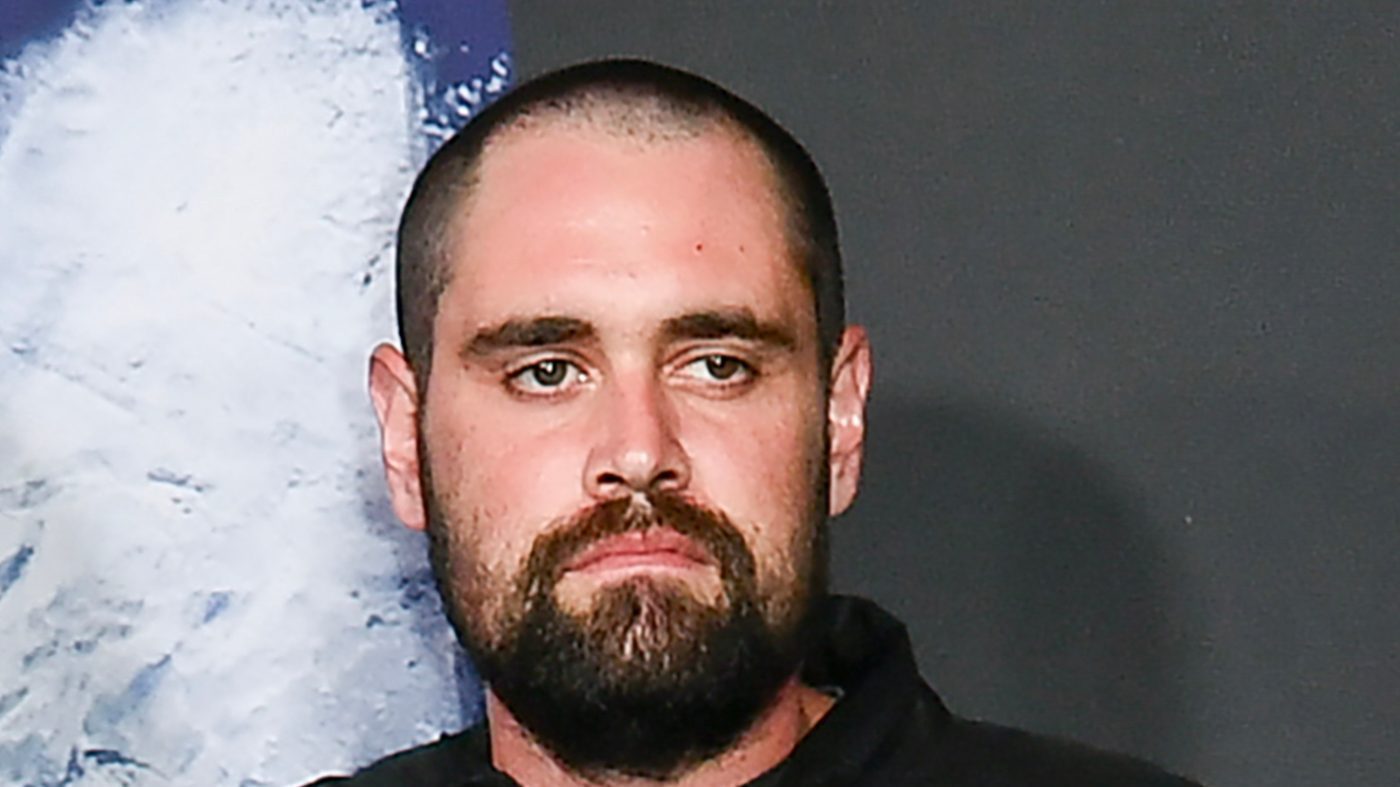
Despite repeated controversies that would seem to push mainstream Democrats away, the party's politicians continue to court Hasan Piker, the socialist Twitch streamer. The latest flare-up involved Piker's comments about American Jews and Israel, which drew bipartisan condemnation. Yet, the underlying reason for Democrats' persistent engagement remains: Piker's unparalleled ability to connect with and mobilize young voters.
Piker's audience is vast, but his influence extends beyond mere numbers. For many young people, he provides a framework to understand a world that feels increasingly unstable. Housing is unaffordable, dating is fraught, democracy seems fragile, and climate change looms. Piker offers a narrative: capitalism is the culprit, billionaires are the villains, and conservatives block progress. This clarity is comforting in an era of uncertainty.
His appeal also lies in the emotional shift from anxiety to anger. Anxiety is paralyzing, but anger is empowering. Piker gives his viewers a target for their frustration, transforming passive worry into active indignation. This psychological dynamic is central to his connection with his audience.
Moreover, Piker's marathon streaming sessions create a sense of intimacy that traditional politicians cannot match. He is a constant presence, reacting to news, joking, and engaging with his community day after day. This familiarity fosters a parasocial bond that makes his viewers feel they truly know him, even if they've never met.
Consequently, when establishment figures criticize Piker, his followers may double down in their support. They already distrust the political class, and attacks on their trusted figure only reinforce that skepticism. This pattern is not unique to the left; similar dynamics exist on the right. But for Democrats, the dilemma is acute: they need Piker's audience, yet they cannot fully embrace him.
The relationship has inverted the traditional power dynamic between politicians and media personalities. Instead of politicians conferring legitimacy through interviews, Piker now offers access to a demographic that otherwise tunes out. Politicians may appear on his stream to reach those voters, but the loyalty remains with Piker, not the politician.
So, Democrats can distance themselves from Piker after each controversy, and they may have valid reasons to do so. But that does not solve their underlying problem: they have no substitute for the connection he has built with young Americans. As long as that remains true, they will keep coming back, despite the risks.
This dynamic is part of a broader trend in political communication. As traditional media fragments, figures like Piker fill a void, offering not just information but community and identity. For Democrats, understanding this phenomenon is crucial to reaching the next generation of voters. House Democrats to press AI rules as midterm messaging sharpens highlights similar challenges in adapting to new political realities.
Ultimately, Piker's influence is a symptom of a deeper disconnect between young voters and institutional politics. Until Democrats offer a compelling alternative that addresses the emotional and psychological needs of these voters, they will remain reliant on figures like Piker, controversies notwithstanding. The under-the-radar operative shaping House Democrats' Trump strategy underscores the party's ongoing struggle to navigate these shifting political currents.