With President Trump's approval ratings in the tank and Republicans fractured over internal divisions, Democrats have a golden opportunity to seize control in the midterms. Yet, just months out from Election Day, the party's leadership is stumbling, ostracizing its own candidates who dare to take firm positions. The result: a growing gap between a cautious DNC and a rising generation of politicians who are speaking their minds—and gaining popularity for it.
The Goldilocks Trap
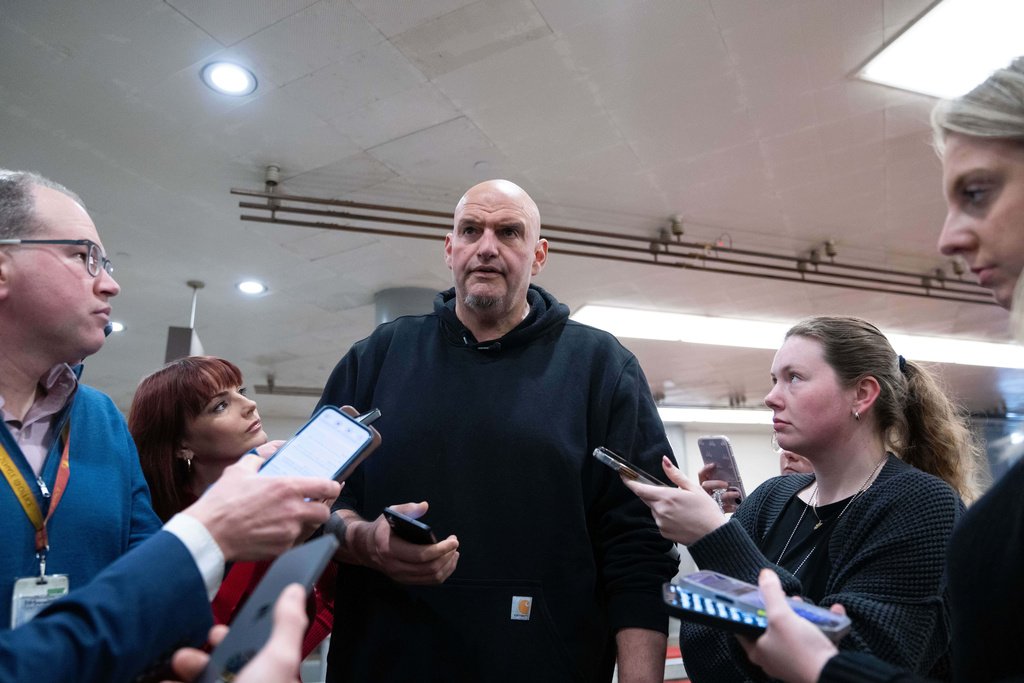
The Democratic leadership's approach has been described as Goldilocks politics—trying to be not too progressive, not too moderate, but just right. However, this strategy has backfired. Candidates like New York City Mayor Zohran Mamdani, a progressive, and Senator John Fetterman (D-Pa.), a moderate, both face criticism from party insiders. Mamdani is seen as too far left, while Fetterman's stances, including support for Trump's Iran policy, have drawn accusations of being too close to MAGA. This lack of a clear ideological line has left voters confused and frustrated.
Rising Stars vs. Leadership Paralysis
Meanwhile, individual Democrats are thriving by taking stands. Representative Alexandria Ocasio-Cortez (D-N.Y.) leads a recent 2028 presidential poll, while Maine Senate candidate Graham Platner survived party backlash to become the presumptive nominee. In Kentucky, Governor Andy Beshear, a progressive on social issues, enjoys a 65% approval rating. These figures contrast sharply with the party's national leadership, which has failed to articulate a coherent vision beyond opposing Trump.
Policy Vacuums on Key Issues
On critical issues like Iran and immigration, the party's silence is deafening. Fetterman's support for Trump's military actions in Iran can be seen as a direct result of Democrats failing to propose an alternative strategy on regime change or nuclear containment. Similarly, immigration remains a weak spot: despite Trump's harsh rhetoric, mass deportations never materialized, and Democrats have not embraced a clear path to citizenship for undocumented workers or penalties for employers who hire them illegally. This vacuum allows Republicans to dominate the narrative.
The Anti-Trump Trap
Democratic leaders have leaned heavily on the message that Trump is bad, but voters already know that. Without a positive agenda, the party risks defending positions it shouldn't have to. As Trump pivots on issues, Democrats may find themselves on the wrong side of public opinion. The lack of a bold policy platform has led to a situation where individual candidates are setting the tone—often more effectively than their leaders.
A Call for Change
The lesson is clear: Democratic voters are tired of tepid, Goldilocks-style candidates who try to please everyone. They want leaders who take stands, whether progressive or moderate. The party's leadership must either step up and articulate a clear vision or step aside and let the rising stars lead. As the midterms loom, the clock is ticking for Democrats to decide who they are—and what they stand for.