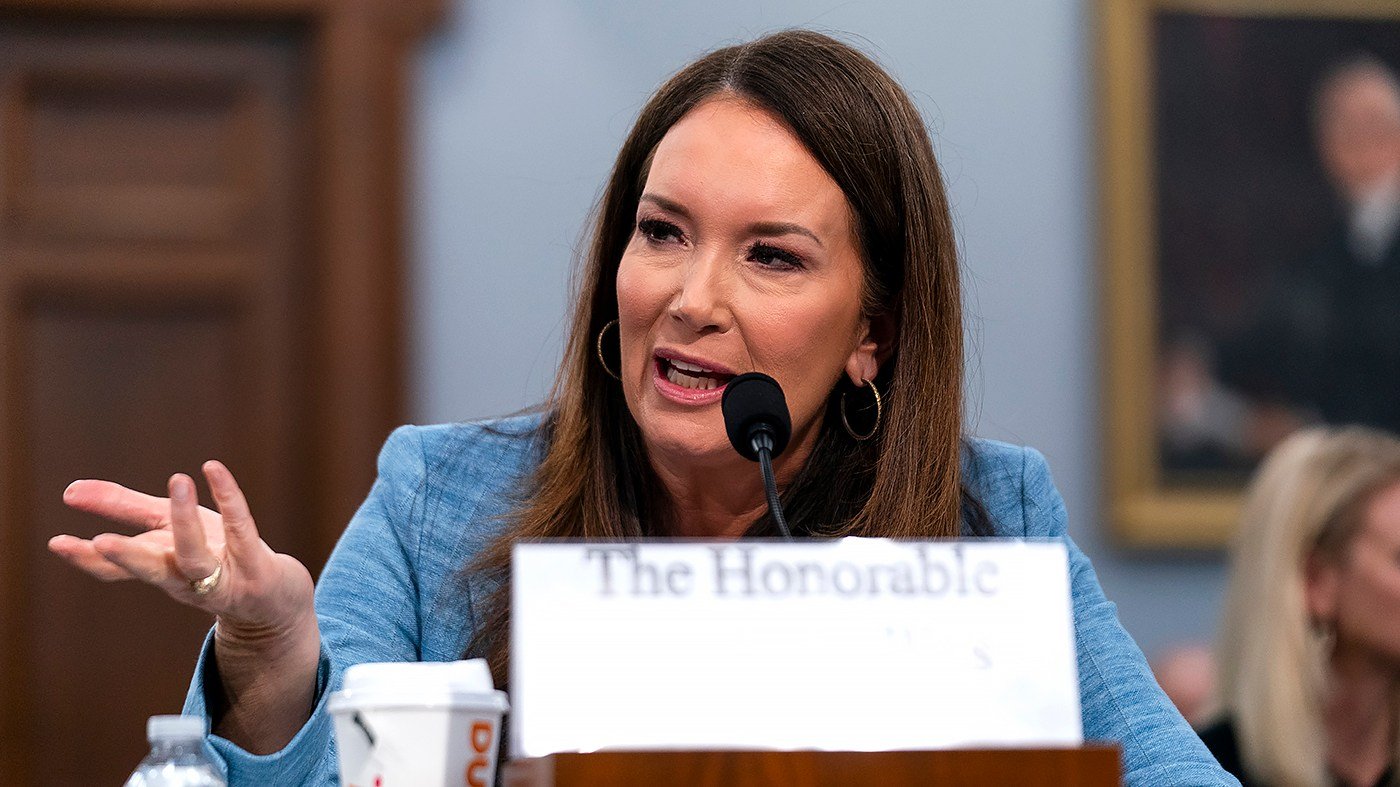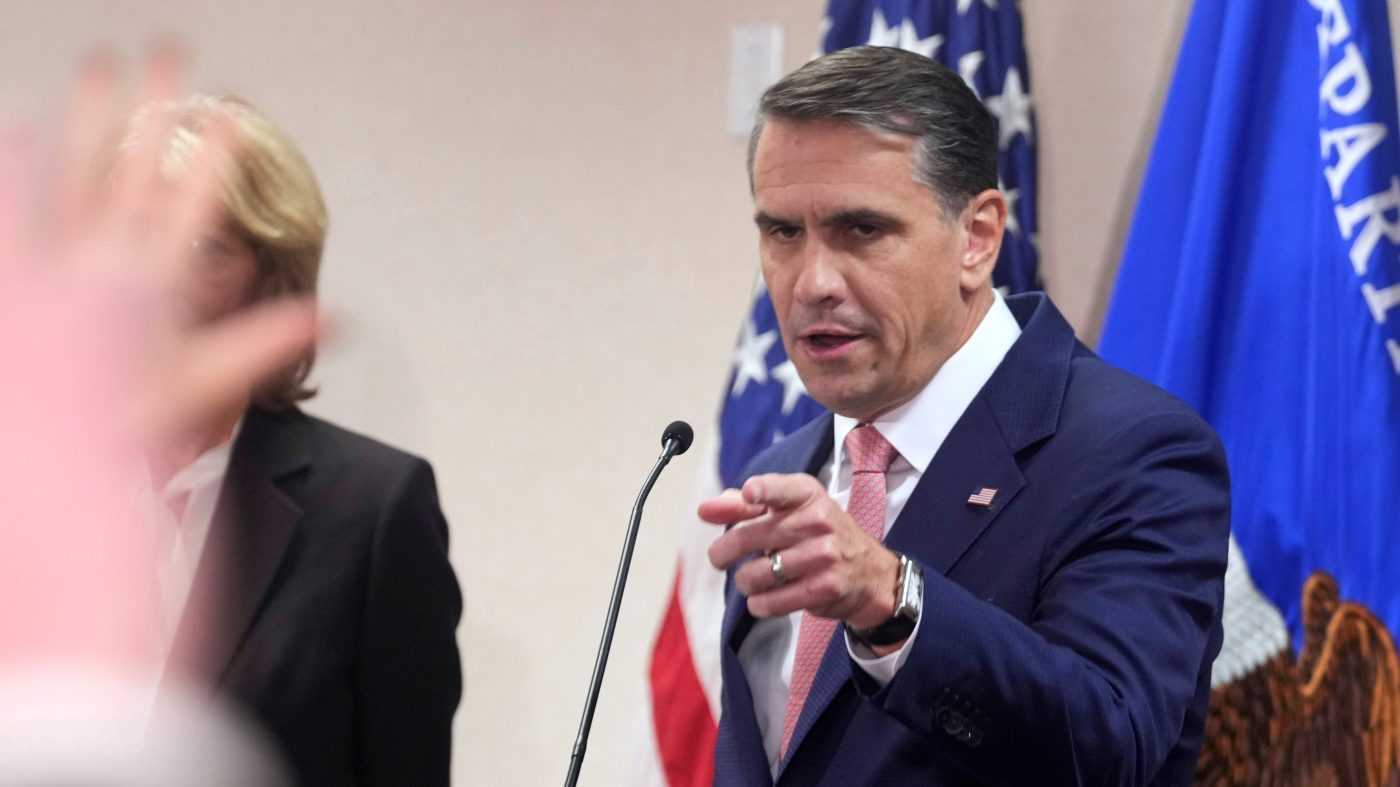
Washington, D.C. voters are leaning toward installing a Democratic socialist as their next mayor, according to a new Washington Post-Schar School survey that shows City Councilmember Janeese Lewis-George leading the primary field by double digits.
The poll, conducted from May 27 to June 1 among 836 likely Democratic primary voters, finds Lewis-George with 35 percent support, compared to 25 percent for former at-large Councilmember Kenyan McDuffie. The margin of error is plus or minus 3.7 percentage points.
Both candidates are native Washingtonians, Howard University graduates, and attorneys with deep ties to the city. Incumbent Mayor Muriel Bowser (D) opted not to seek reelection after repeated public clashes with President Trump and has yet to endorse a successor.
The contest, however, extends beyond a two-person race. The field also includes Vincent B. Orange, Gary Goodweather, Rini Sampath, Ernest Johnson, and Hope Solomon, though none cracked 5 percent support in the poll.
Issues Divide the Race
Lewis-George holds commanding leads on several key issues. She bests McDuffie on housing affordability (44 percent to 29 percent), cost of living (41 percent to 29 percent), and public schools (40 percent to 30 percent). These bread-and-butter concerns have dominated local discourse as the nation's capital grapples with gentrification and rising expenses.
McDuffie, however, leads on crime and public safety by 8 points, an area that has drawn intense focus from the second Trump administration. He also holds a 3-point edge on managing the relationship between D.C. and the White House, and a 1-point advantage on handling the city's economy.
The poll also reveals a sharp contrast in voter perception: Lewis-George leads by 20 points on "honesty," while McDuffie holds a 9-point advantage on "experience."
Ranked-Choice Voting Debuts
November's general election will mark D.C.'s first implementation of ranked-choice voting, a system that could reshape how votes are tallied in a crowded field. The shift adds a layer of uncertainty to a race already defined by ideological and demographic divides.
The primary outcome could have national implications, as a win by Lewis-George would place a prominent Democratic socialist at the helm of a city that has long been a political battleground between local autonomy and federal oversight. A recent national poll found that just 44 percent of Americans consider the U.S. a top nation, reflecting a broader mood of discontent that may fuel outsider candidates like Lewis-George.
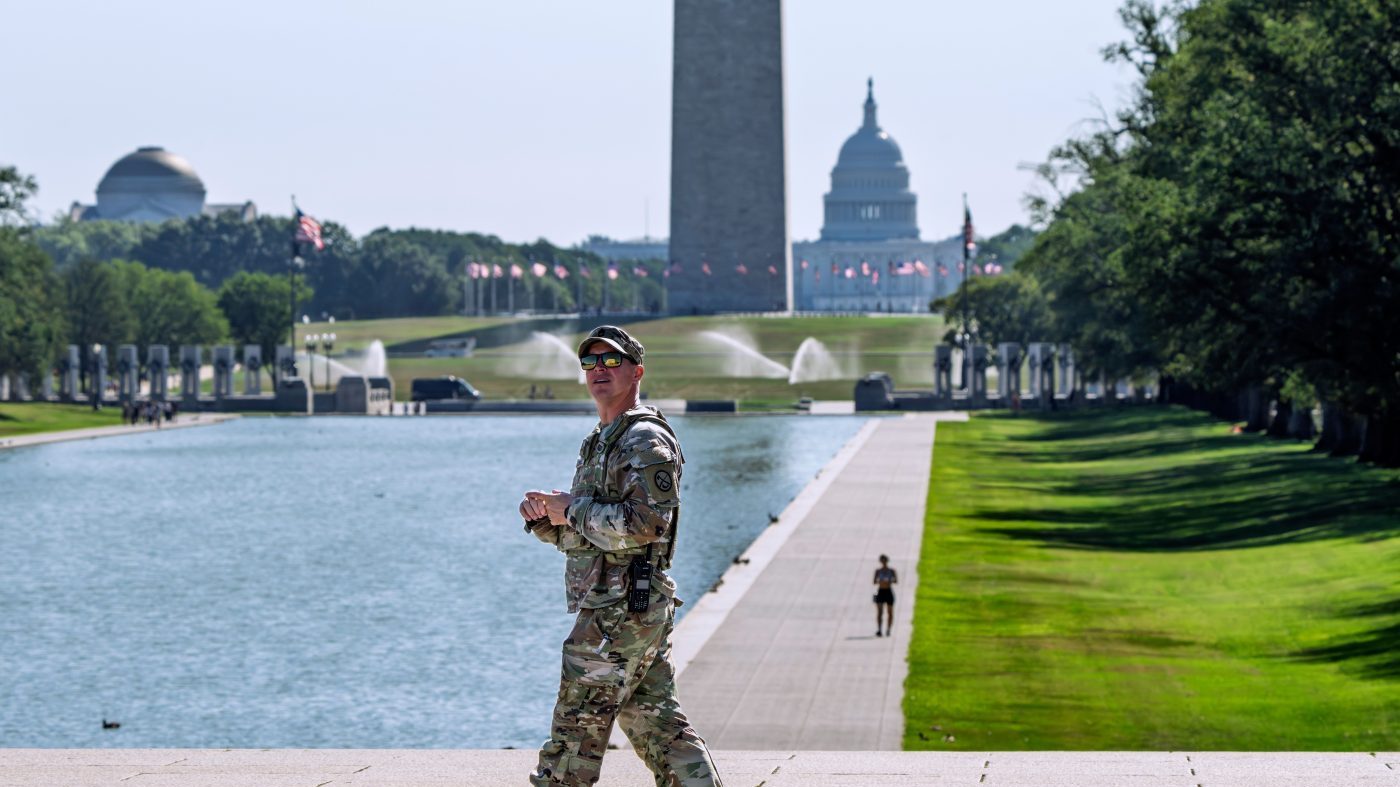
Meanwhile, the Trump administration's focus on crime in D.C. has amplified local debates about public safety, a dynamic that could benefit McDuffie. The former councilmember's edge on the issue mirrors a trend seen in other urban races, such as the tight Los Angeles mayoral contest where Raman surged to within 1 point of Pratt.
As the campaign intensifies, both candidates are expected to sharpen their contrasts on governance and ideology, setting the stage for a high-stakes November ballot.