Democratic Congressman Jason Crow, a former Army Ranger, issued a stark warning to U.S. military personnel on Tuesday, urging them to refuse any orders to strike civilian targets in Iran, which he described as a clear violation of international law. His comments came in response to a series of threatening social media posts from former President Donald Trump targeting the Iranian government.
"If he attempts to follow through on it, my message to the military service men and women is they have an obligation to follow the Constitution and they have an obligation to follow the law," Crow stated during a CNN interview. "Well, it's a war crime. It's a very clear war crime."
Trump's Deadline and Dire Warnings
The Colorado Democrat was reacting to posts on Trump's Truth Social platform in which the former president set an evening deadline for Iran to lift restrictions on shipping through the critical Strait of Hormuz. Trump's posts contained apocalyptic language, suggesting "a whole civilization will die tonight" while also expressing hope for "regime change" and an end to "47 years of extortion, corruption, and death."
The threat has already destabilized global energy markets, pushing U.S. gasoline prices above $4 per gallon for the first time in two years. The Strait of Hormuz is a vital chokepoint for global oil shipments, and any military confrontation there would have severe economic repercussions. In a related development, Trump has also proposed the U.S. collect tolls for passage through the strait, mirroring a tactic long used by Iran.
Precedent of Military Dissent
Crow's public counsel to the military is not an isolated incident. Last November, he joined five other Democratic lawmakers with national security backgrounds—including Senator Mark Kelly and Representative Chrissy Houlahan—in recording a video explicitly urging members of the armed forces and intelligence community to reject illegal orders.
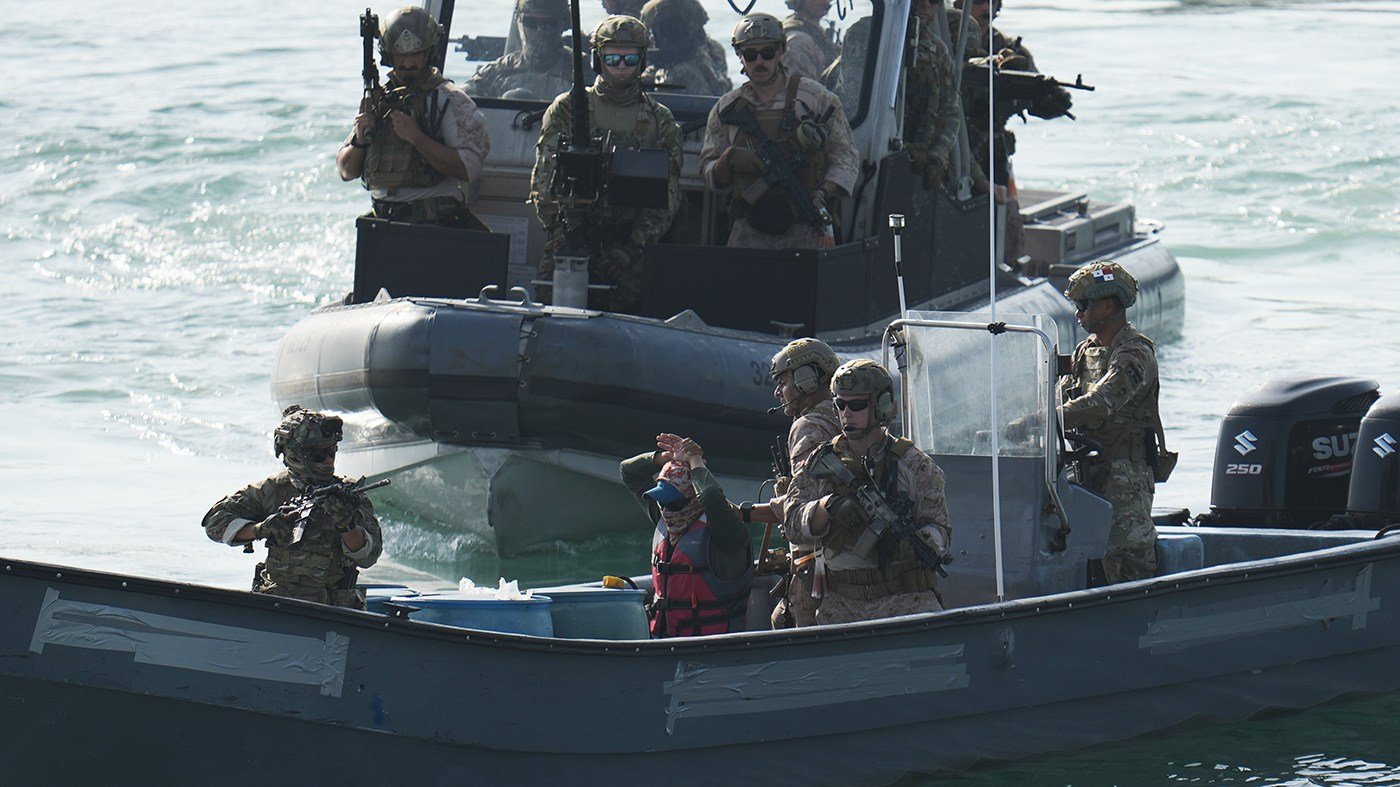
That video was released amid other controversial military actions, including strikes on drug-trafficking vessels and the deployment of National Guard troops to several cities. Trump labeled the lawmakers' actions "seditious behavior," and legal attempts were made to indict them. Kelly, a retired Navy captain, is currently in a legal dispute with the Pentagon over potential disciplinary actions related to the video.
Crow stated the video was made "for exactly this type of instance," referencing the current crisis with Iran. He cited Article 8 of the Rome Statute of the International Criminal Court, which defines intentional attacks on civilians and non-military infrastructure as war crimes.
Defining an Unlawful Order
When pressed on what constitutes an illegal command, Crow provided specific examples. "If you're asked to target civilians, if you're asked to kill women and children, you're asked to kill non-combatants, you're asked to bomb a school, you're asked to bomb a civilian power plant, that would be a war crime," he explained.
He later clarified, "If they're put in the position of bombing a civilian target, that would be unlawful and they shouldn't do it." This guidance places a profound legal and ethical burden on individual service members to assess the legality of their commands. The Justice Department is reportedly conducting its own legal review of potential strike plans as these public warnings mount.
Broader Political Backlash
Crow is not alone in his warnings. Other prominent Democrats have also voiced severe concerns. Representative Alexandria Ocasio-Cortez has similarly called on the military to defy what she termed 'genocidal' threats, even suggesting invocation of the 25th Amendment. Meanwhile, international figures like Pakistan's leader have appealed for extended diplomacy to avert conflict.
The situation underscores a deepening civil-military crisis, with elected officials directly advising the armed forces on their legal duties in potential opposition to civilian leadership. As the deadline looms, the focus shifts to whether Trump's threats are rhetorical or presage actual military action, and how the chain of command would respond to orders that legal experts and lawmakers are publicly branding as criminal.