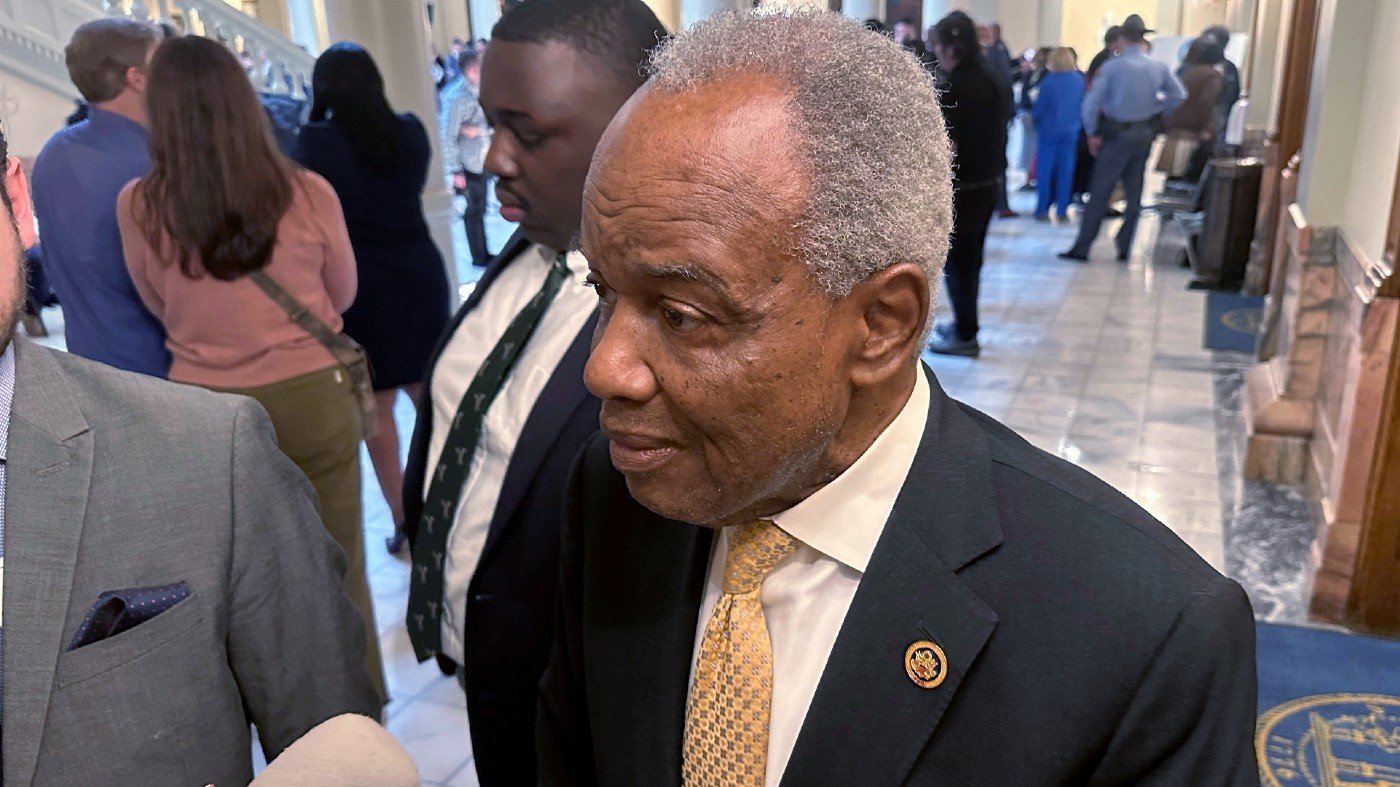
Representative David Scott, a Georgia Democrat who broke racial barriers in congressional leadership during more than two decades of service, has died. He was 80 years old. The Congressional Black Caucus confirmed his passing.
First winning his House seat in 2002, Scott represented Georgia's 13th congressional district. His most significant political achievement came in 2021 when Democrats controlled the chamber and he was elevated to lead the powerful House Agriculture Committee, becoming the first African American lawmaker to hold that gavel.
A Trailblazer Remembered
House Democratic Leader Hakeem Jeffries, a fellow CBC member, immediately praised Scott as a pioneering figure. "David Scott was a trailblazer who served the district that he served admirably," Jeffries told reporters at the Capitol. "He rose up from humble beginnings to become the first African American ever to chair the House Ag Committee."
Jeffries emphasized Scott's legislative focus and connection to his constituents. "He cared about the people that he represented. He was fiercely committed to getting things done for the people of the great state of Georgia. And he'll be deeply missed." This loss comes as Democratic leadership, including Jeffries, continues to apply pressure on political opponents in a highly charged election cycle.
Legacy and Political Context
Scott's death creates an immediate vacancy in a Democratic-held seat, though Georgia's 13th district is considered safely Democratic. His passing occurs during a critical period for House Democrats, who are working to regain the majority. Recent electoral developments, such as the redistricting victory in Virginia that could deliver four House seats, have put the party within closer reach of that goal.
As a senior member of the Agriculture Committee, Scott played a central role in shaping federal farm policy, nutrition programs, and rural development. His chairmanship oversaw the early stages of crafting what would become the next Farm Bill, a massive piece of legislation that governs agricultural and food assistance programs. His approach often focused on the intersection of agriculture, economic opportunity, and social welfare in both rural and suburban communities.
The Congressman's career reflected a broader shift within the Democratic Party and the CBC itself, from a primarily urban-focused caucus to one with increasing influence over policy areas like agriculture, which have profound national economic impacts. His work connected to wider Democratic policy ambitions, similar to how figures like Governor Tim Walz have challenged the party to deliver on promises like universal healthcare.
Scott's death also highlights the generational transition occurring within Congress. His long tenure provided institutional memory, while newer members sometimes chart different courses, as seen when some freshman Democrats have withheld immediate support for leadership. His absence will be felt in both the CBC and the committee's deliberations.
Arrangements to fill his seat will follow Georgia state law, triggering a special election process. Colleagues are expected to offer tributes in the coming days as Congress assesses the impact of losing a senior legislator known for his dedicated, if quiet, work on complex policy matters far from the daily political fray.