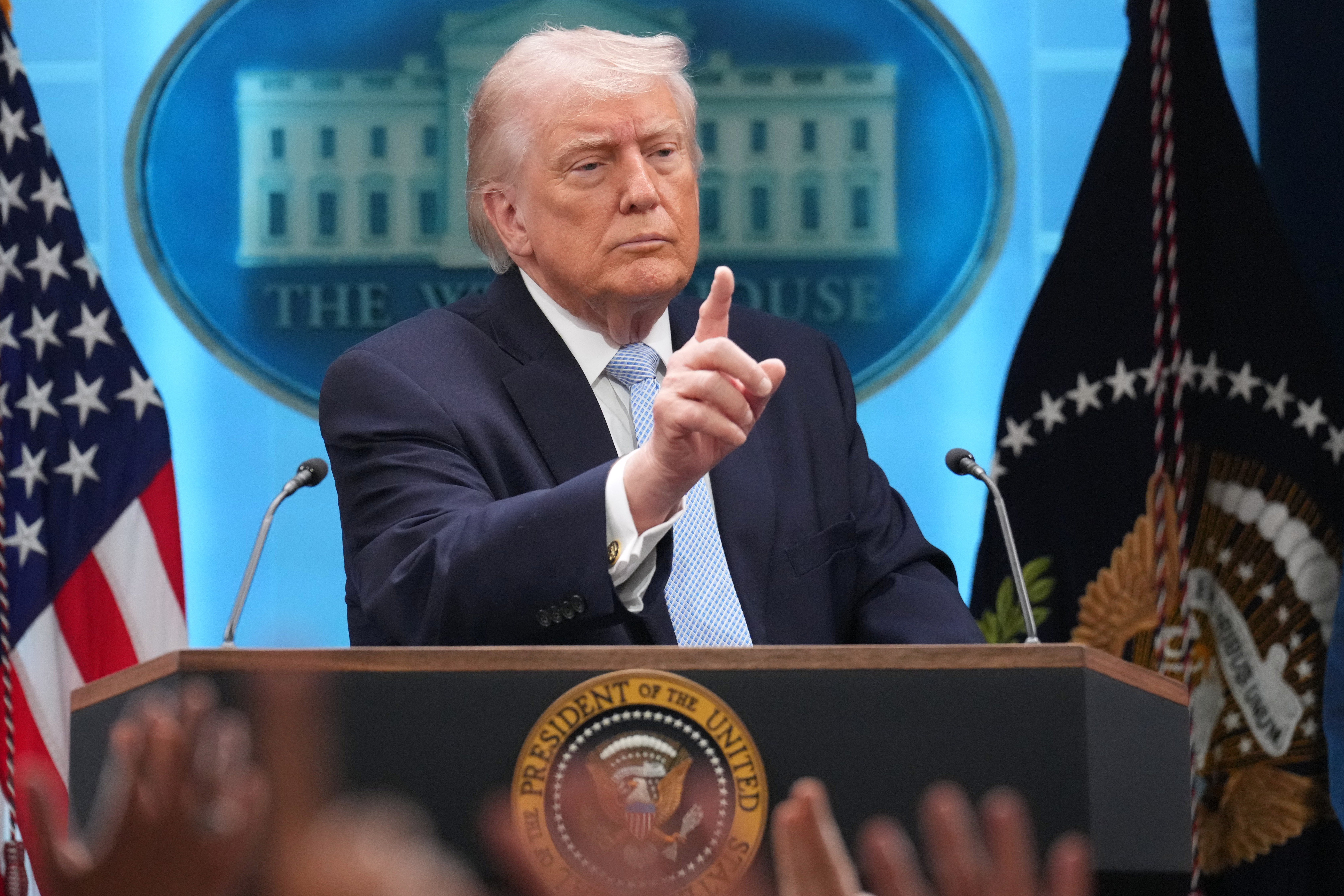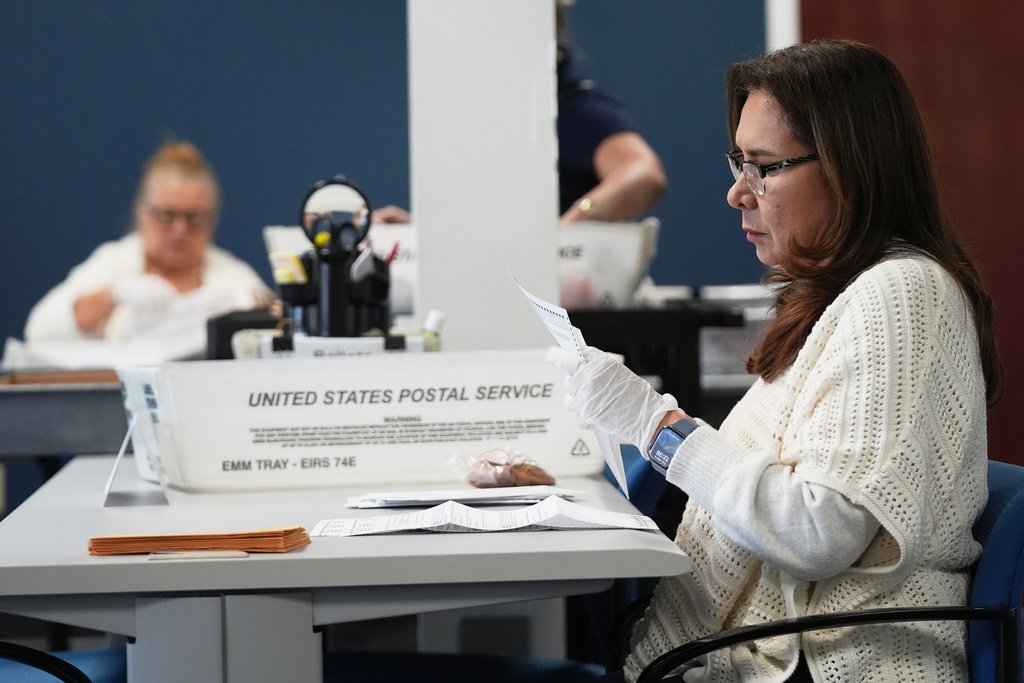
Congressional Democrats are mounting a legislative challenge to President Trump's executive order restricting mail-in voting, arguing the directive is unconstitutional, politically motivated, and will disproportionately disenfranchise senior citizens, veterans, overseas service members, disabled individuals, and out-of-state students. The order, which Trump signed despite his own history of voting by mail, has sparked a fierce battle over election integrity and federal overreach.
The executive order transfers authority over mail-in ballot eligibility from states to the federal government, a move that conflicts with constitutional provisions granting states the power to regulate federal elections under Congress's supervision. It also directs the U.S. Postal Service to enforce new voter lists created by the Trump administration, effectively making the agency the final arbiter of which ballots are counted. Critics say this exceeds the Postal Service's traditional mission and threatens to create chaos ahead of the 2026 midterms.
Federal courts have already blocked a similar Trump order. U.S. District Judge Colleen Kollar-Kotelly ruled that Trump 'has no relevant constitutional power on which to rely' and that election regulation rests 'exclusively with the states and with Congress.' The new order also conflicts with the Uniformed and Overseas Citizens Absentee Voting Act, the Voting Rights Act, and the Americans with Disabilities Act, which were designed to expand ballot access.
Voting rights groups, including the League of Women Voters and the ACLU, have warned that the order will hit vulnerable populations hardest. For many disabled individuals, deployed troops, and Americans living abroad, mail-in voting is their only viable option. In the 2024 general election, the Postal Service processed nearly 100 million mail-in ballots, with vote-by-mail accounting for almost 40% of votes cast by seniors and over 900,000 ballots from service members and overseas citizens.
Trump has long railed against mail-in voting, calling it 'mail-in cheating' and a 'scam,' despite evidence debunking widespread fraud. He has falsely claimed the U.S. is the only country using mail-in ballots—ignoring the 34 nations that allow it. His rhetoric echoes the baseless election fraud claims that fueled more than 60 dismissed lawsuits after the 2020 election.
The order also threatens to undermine state election administration. Local officials are raising alarms about the reliability of federally compiled voter lists and the potential for mass disenfranchisement. The financially strained Postal Service, already struggling with delivery delays, would be forced to divert resources from mail delivery to policing ballot restrictions.
House Democrats have introduced the Vote by Mail Protection Act to nullify the executive order and bar federal funding for its enforcement. The bill has backing from Public Citizen and postal worker unions, including the National Association of Letter Carriers. Meanwhile, litigation is underway, with the House Democratic Litigation Task Force supporting lawsuits to block the order.
The battle comes as the Supreme Court, which recently weakened the Voting Rights Act, considers a case that could allow states to reject ballots postmarked by Election Day but arriving late. Trump has also hinted at nationalizing federal elections, a move that would further centralize control. With election integrity under siege, Democrats argue that Congress must act swiftly to protect the fundamental right to vote.