Lawmakers are back in Washington on Monday, but the House has only a single week of session before breaking for the midterm elections. The compressed calendar is colliding with fresh alarms over artificial intelligence, a stalled budget process, and a Russia sanctions measure awaiting action.
AI warnings spur Senate demand for briefing
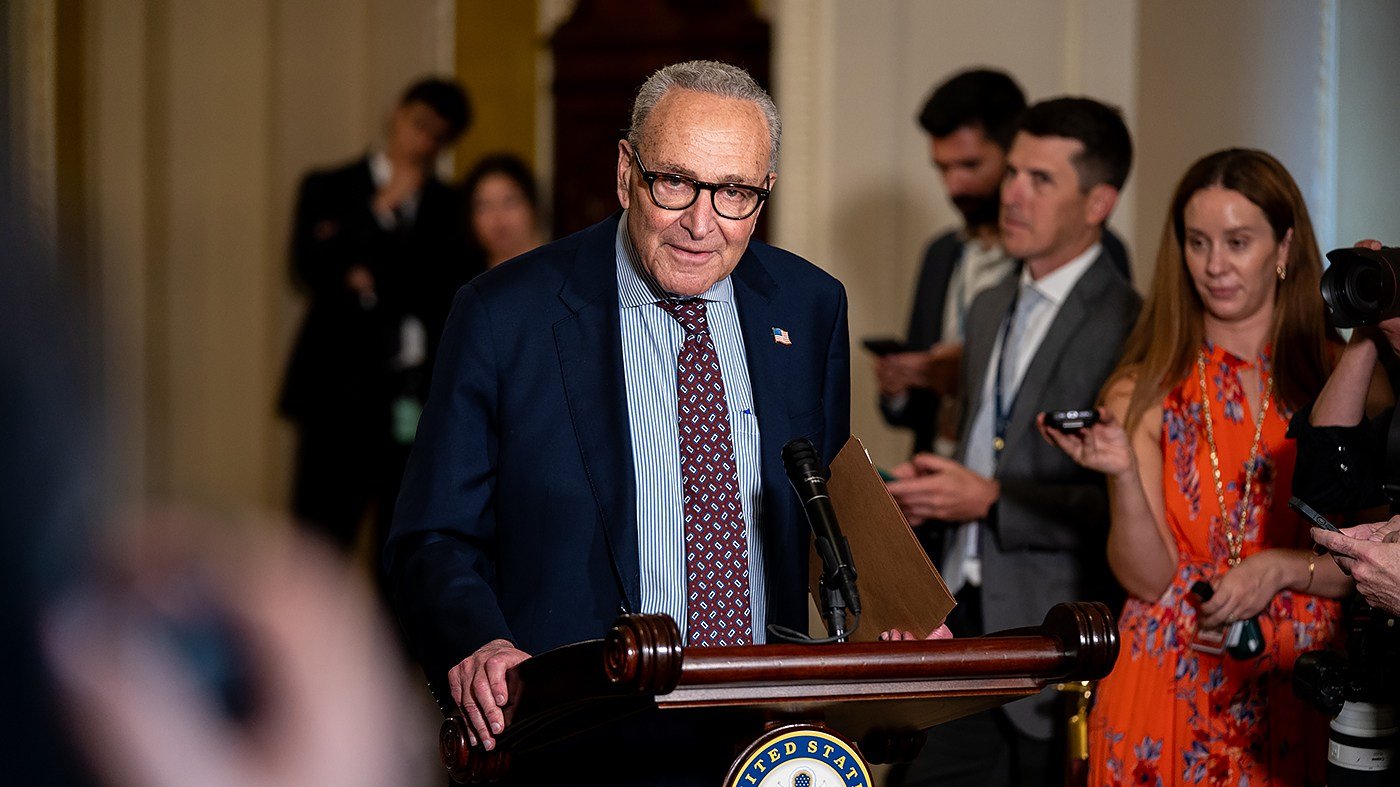
Senate Minority Leader Chuck Schumer is pressing the Trump administration to brief senators on its framework for testing the latest AI models. The request follows a series of stark warnings last week from researchers and industry figures about the risks posed by advanced AI systems. Schumer's move signals that AI oversight is becoming a bipartisan concern, even as the legislative calendar grows tighter.

The Senate is also set to continue negotiations on a budget resolution that could pave the way for a third reconciliation bill. That effort remains a heavy lift, with divisions over spending levels and policy priorities still unresolved. Meanwhile, the House will take up a Russia sanctions bill that has already cleared the Senate, adding a foreign policy component to an already crowded agenda.
President Trump has a series of closed-door policy meetings scheduled for Monday, though no public events have been announced. His schedule comes as Republicans lean on Trump to rally the base heading into the midterms, even as economic headwinds complicate the party's message.
Midterm politics and legislative crunch
The one-week sprint before recess is forcing leaders to prioritize. With AI suddenly a top-tier issue, the administration's approach to regulating the technology could become a flashpoint. Schumer's request for a briefing suggests Democrats intend to keep the pressure on, while Republicans may look to frame any action as a response to emerging threats.
The budget resolution talks are equally fraught. A third reconciliation bill would allow Republicans to advance key parts of their agenda without Democratic votes, but internal disagreements over tax cuts, spending, and the debt ceiling remain. The Senate's crowded agenda also includes crypto and farm bill considerations, making the week a test of legislative endurance.
On the campaign trail, the midterm landscape is shifting. Recent polling shows Democrats with an 11-point lead in House preference, a sign that the political environment may be turning against the GOP. That dynamic could influence how aggressively Republicans pursue contentious votes before recess.
Russia sanctions and foreign policy
The Russia sanctions bill, which passed the Senate with broad support, would impose new penalties on Moscow and tighten existing measures. House consideration this week would send the measure to President Trump's desk, though his administration has not indicated whether he would sign it. The bill's timing underscores the ongoing tension in U.S.-Russia relations, even as the administration pursues its own diplomatic channels.
Lawmakers are also watching the president's closed meetings for signals on foreign policy and other priorities. With the midterms approaching, Trump's agenda and his public posture will remain central to the political narrative. The narrow path for Republicans to overcome historical midterm losses is a topic of quiet discussion, even as the party projects confidence.
As the week unfolds, the interplay between legislative action and electoral strategy will be on full display. The House's brief window before recess means every vote carries weight, and the AI briefing request could set the tone for a broader debate on technology policy in the months ahead.