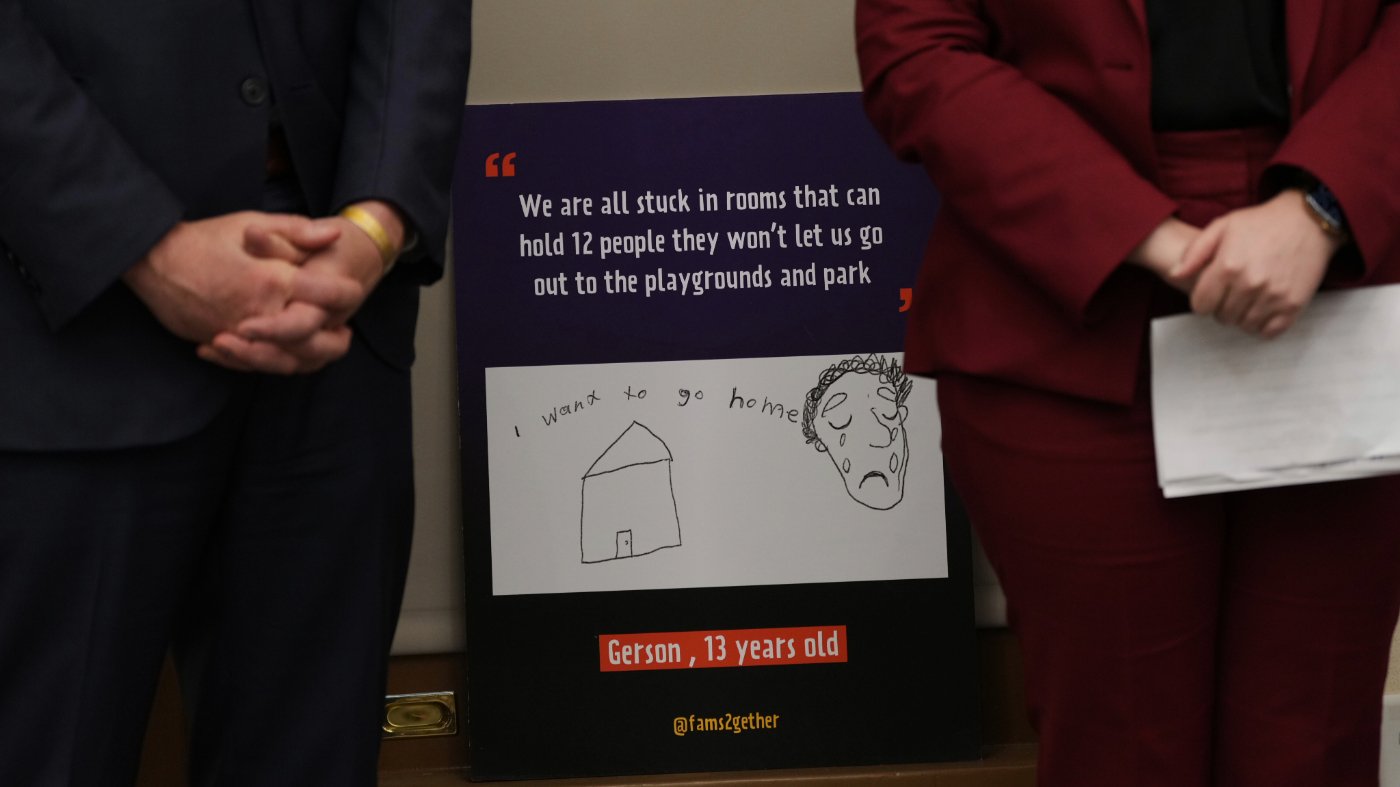
Lawmakers on Capitol Hill have greenlit a massive infusion of cash for Immigration and Customs Enforcement, a move that directly imperils the legal safeguards meant to shield migrant children from prolonged, unchecked detention. The decision, finalized earlier this month, allocates $38 billion in additional funding through the remainder of the current administration, stacking atop the $75 billion already carved out for ICE in the so-called “One Big Beautiful Bill Act.” A significant portion of this new money is earmarked to keep families locked up in federal immigration facilities—places where children routinely endure dangerous and inhumane conditions.
At the heart of this fight is the Flores Settlement Agreement, a decades-old legal framework that sets baseline standards for the treatment of children in immigration custody. Flores requires that children be held in safe, sanitary conditions and released without unnecessary delay. But the new funding stream, advocates argue, is a de facto endorsement of policies that undermine those protections. Senate Republicans moved unilaterally on the spending package after bipartisan talks collapsed, leaving little room for oversight or reform.

Organizations that represent children covered under Flores are among the few groups permitted inside these facilities. Their firsthand accounts paint a grim picture. Over the past year, since the Trump administration reopened the South Texas Family Residential Center in Dilley, Texas, the stories emerging have been harrowing. Children describe prolonged detention, inadequate medical care, and conditions that leave them physically ill and psychologically devastated. Untreated infections, worsening chronic conditions, and the crushing weight of days that stretch into weeks and months with no end in sight are routine.
“Children courageously tell us what they endure in federal custody,” said a representative from one of the advocacy groups. “They describe, in heartbreaking detail, their anxiety, depression and a growing sense of hopelessness and despair.” These accounts echo broader concerns about the erosion of child welfare standards in immigration enforcement, a trend that critics say has accelerated under the current administration.
The Flores Agreement has long been a target for immigration hardliners, who argue it incentivizes illegal border crossings by families. But eliminating it, as some in the administration have proposed, would remove one of the last remaining checks on government power over detained children. Meanwhile, the administration has denied using U.S. funds for the Iran deal, even as it pours billions into detention infrastructure.
Advocates are now calling on Congress to use its remaining leverage—including oversight hearings, appropriations riders, and legislative fixes—to enforce Flores standards and prevent further harm. “We are some of the only people in the country who are allowed inside these facilities to speak with the children detained there,” one advocate noted. “What we hear should shock the conscience of every lawmaker.”
The funding decision comes amid a broader debate over immigration enforcement spending. Fiscal conservatives have pushed back against the administration’s $1.5 trillion defense and Iran war funding request, but ICE appropriations have largely sailed through with bipartisan support. The result, critics say, is a system that prioritizes detention over due process and child welfare.
Without congressional action to reinforce Flores, the new funding could entrench a status quo where children are warehoused in facilities that fail to meet even basic health and safety standards. The clock is ticking for lawmakers to act before the next wave of funding requests solidifies the current approach.