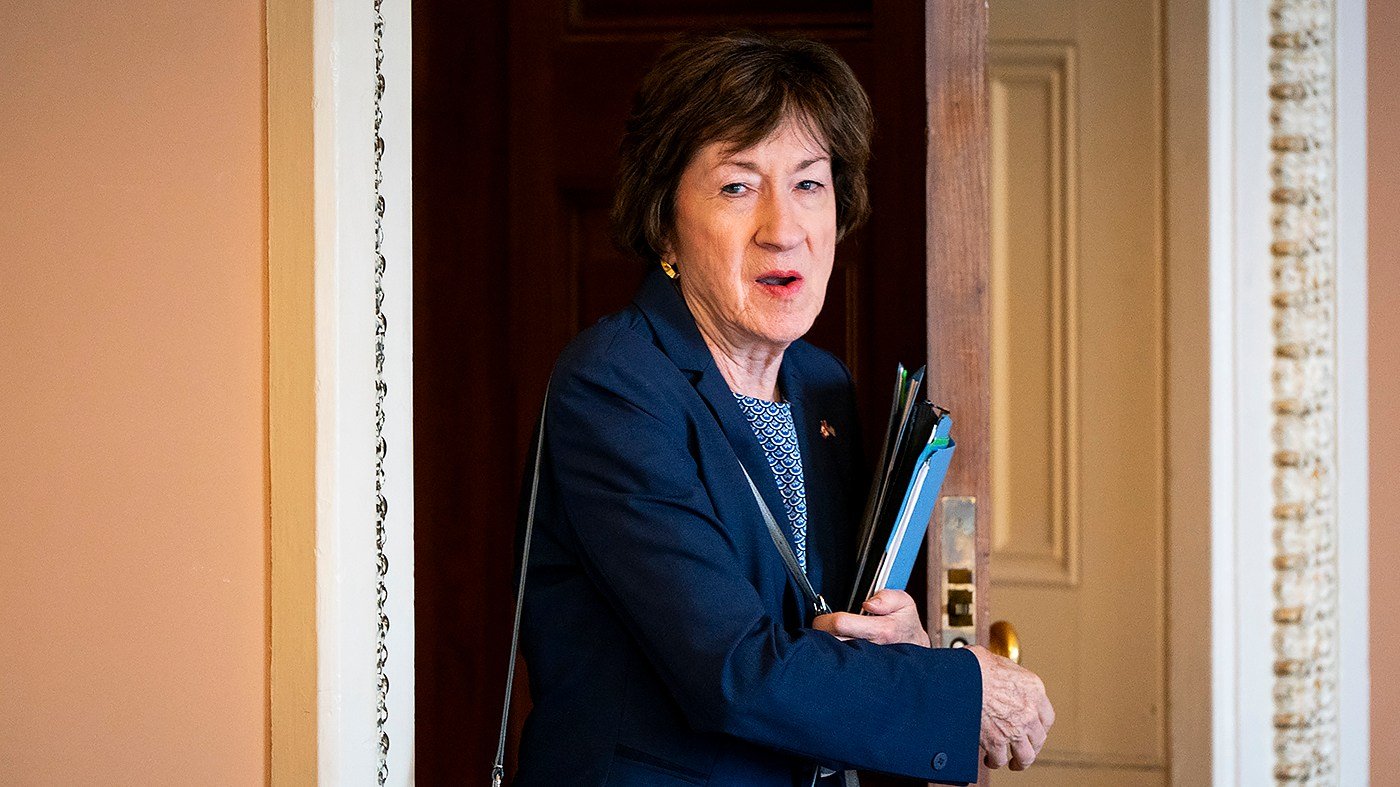
Sen. Susan Collins (R-Maine) is pressing the Trump administration to reassess its escalating trade conflict with Canada, warning that the tariffs could inflict significant economic pain on American households and businesses. In a Saturday statement posted to X, Collins called on both nations to return to negotiations, breaking with several of her Republican colleagues who have backed the White House's aggressive posture.
The pushback comes after talks between Washington and Ottawa collapsed over the weekend, prompting the White House to slap a 50 percent tariff on more than $20 billion worth of Canadian goods. Canadian Prime Minister Mark Carney retaliated swiftly, pledging to match the U.S. tariffs dollar-for-dollar. The escalating trade war has now drawn sharp divisions among GOP lawmakers, with some echoing the administration's line and others, like Collins, sounding alarms over the domestic consequences.
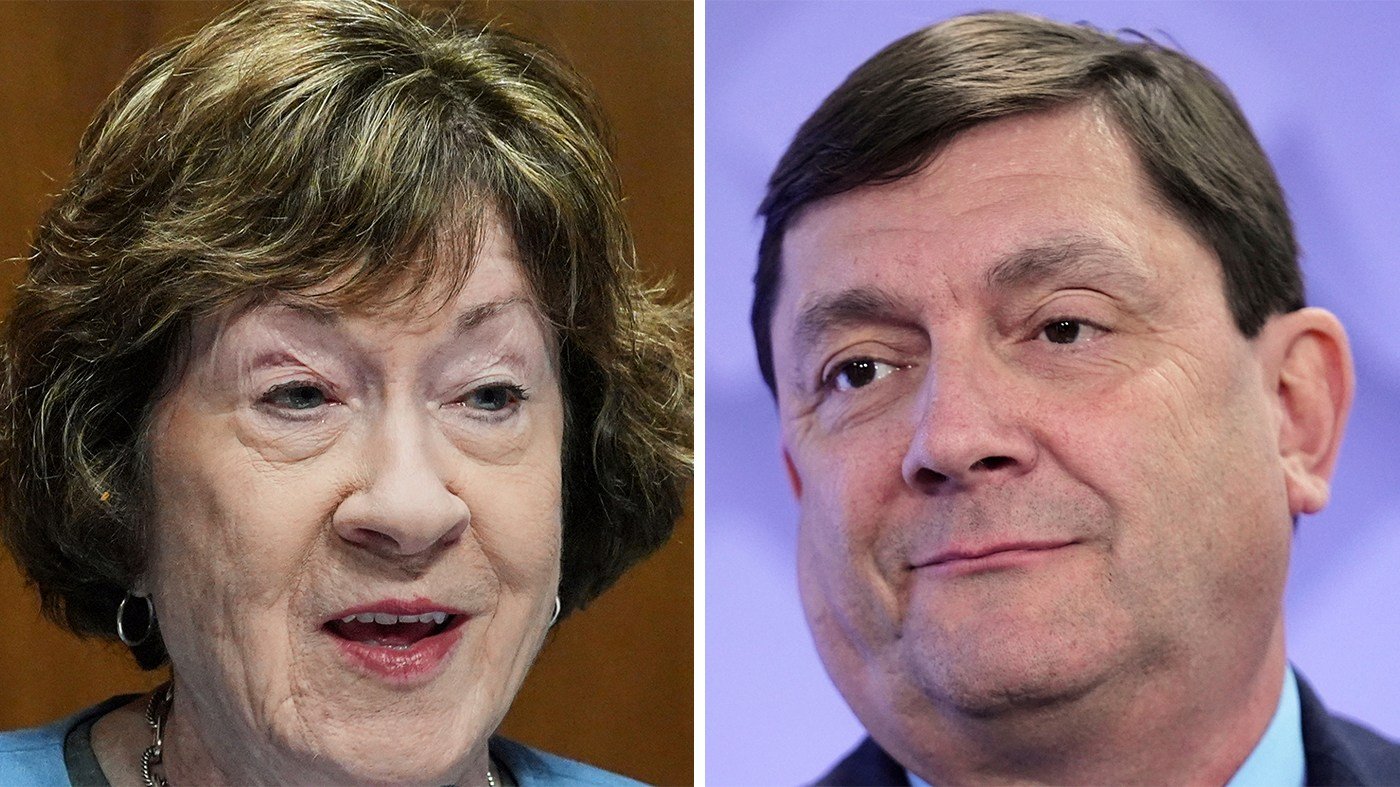
Collins, a frequent critic of Trump's trade policies, said she expects the tariffs to raise costs for Maine residents, particularly in industries that rely heavily on cross-border trade. "Ever since the tariffs were first announced, I have heard from many businesses, farmers, and lobstermen concerned about the cost of navigating the tariffs, the lack of domestic supply chains, and the likely imposition of retaliatory tariffs by Canada," she wrote. The senator argued that the tit-for-tat measures would "lead to higher costs, risk, and uncertainty for Maine businesses."
The Maine lawmaker's stance highlights a broader rift within the GOP over how to handle the northern neighbor. While Collins has often voted with Trump on key issues, she has not shied away from publicly criticizing his trade agenda. Her latest remarks come as Canada prepares to impose retaliatory duties on a range of products, including steel, dairy, appliances, agricultural equipment, pulp and paper, and electronics, set to take effect on Sept. 8.
U.S. Trade Representative Jamieson Greer, a staunch Trump ally, framed the failed negotiations as a "missed opportunity" for a stronger partnership with Canada. In a Saturday post on X, Greer criticized Canadian leaders for their "prolonged retaliation against the United States," adding that Canada has long enjoyed the most favorable access to the U.S. market of any country. "From the beginning of President Trump's trade program, Canada has continued to enjoy the best treatment in the world, even after – like China – retaliating against the United States," he wrote.
Other Republicans rallied behind the administration's hardline approach. Sen. Bernie Moreno (R-Ohio) took to social media to slam Carney, asserting that "Canada's economy only exists by stealing American jobs." He added, "Carney is also right that 'America has changed.' We no longer have a President that sells out American workers." Conservative radio host Hugh Hewitt echoed that sentiment during a Fox News interview on Saturday, branding Carney a "smooth talking banker" and accusing him of "driving Canada into the ground."
The pause in negotiations and the subsequent tariff imposition have created fresh uncertainty for businesses on both sides of the border. Collins has urged the administration to weigh the broader economic fallout, warning that the dispute could undermine U.S. competitiveness and strain relations with a key ally. Her call for a "fair agreement" reflects a growing concern among some lawmakers that the trade war may be doing more harm than good.
As the Sept. 8 deadline for Canada's retaliatory tariffs approaches, Carney has said his government will release more details in the coming days. The standoff shows no immediate sign of resolution, leaving businesses and consumers to brace for higher costs and disrupted supply chains. For Collins, the stakes are particularly high, as Maine's economy depends heavily on trade with Canada, and the senator has made clear she intends to keep pressing the White House to reconsider its approach.