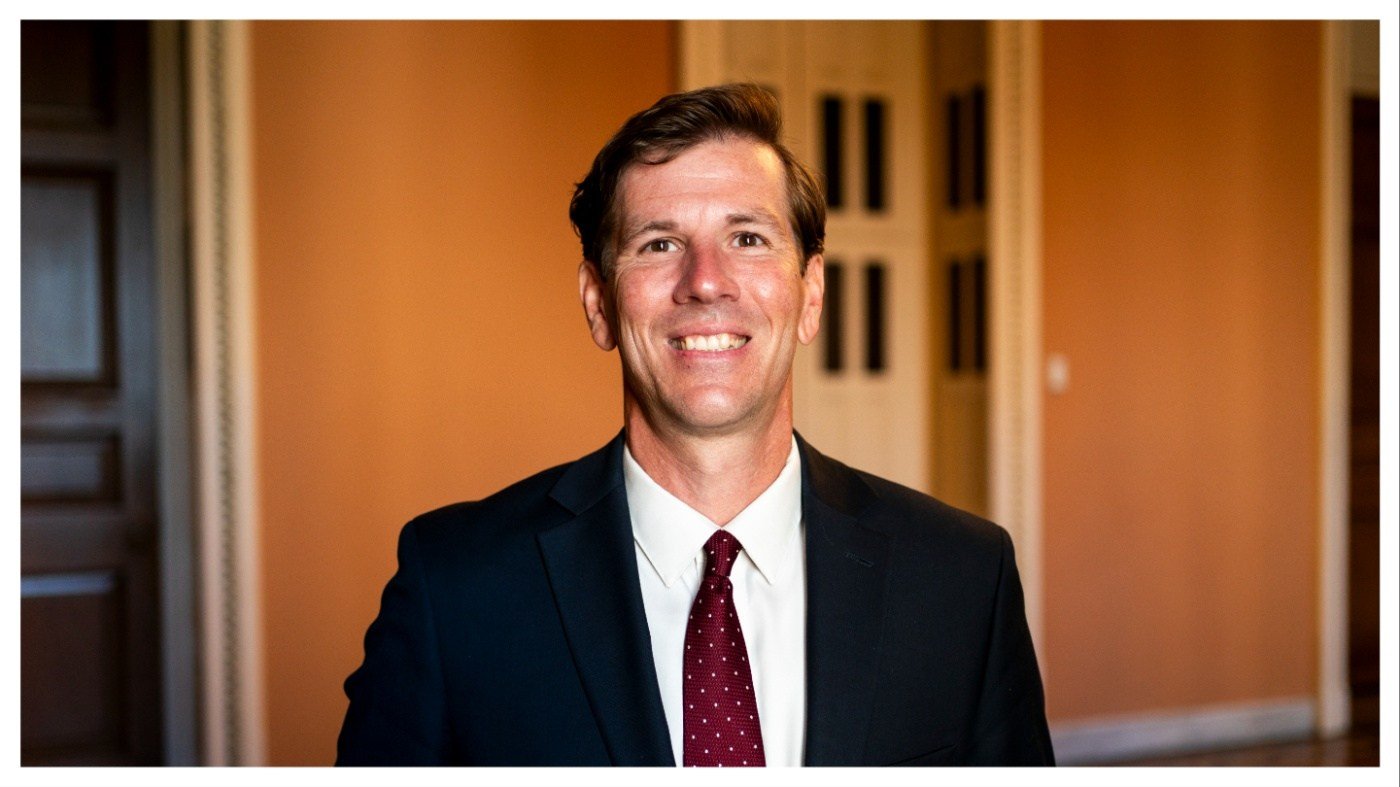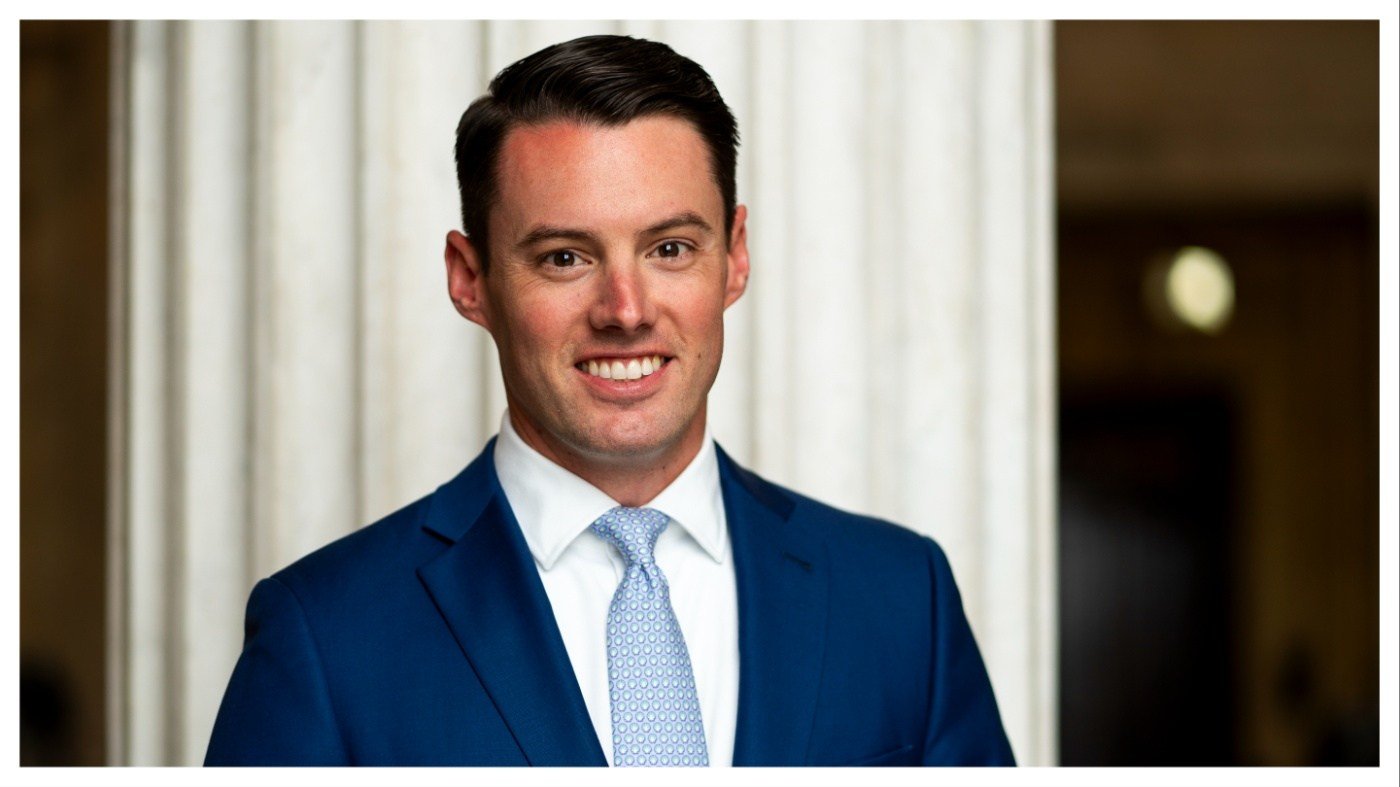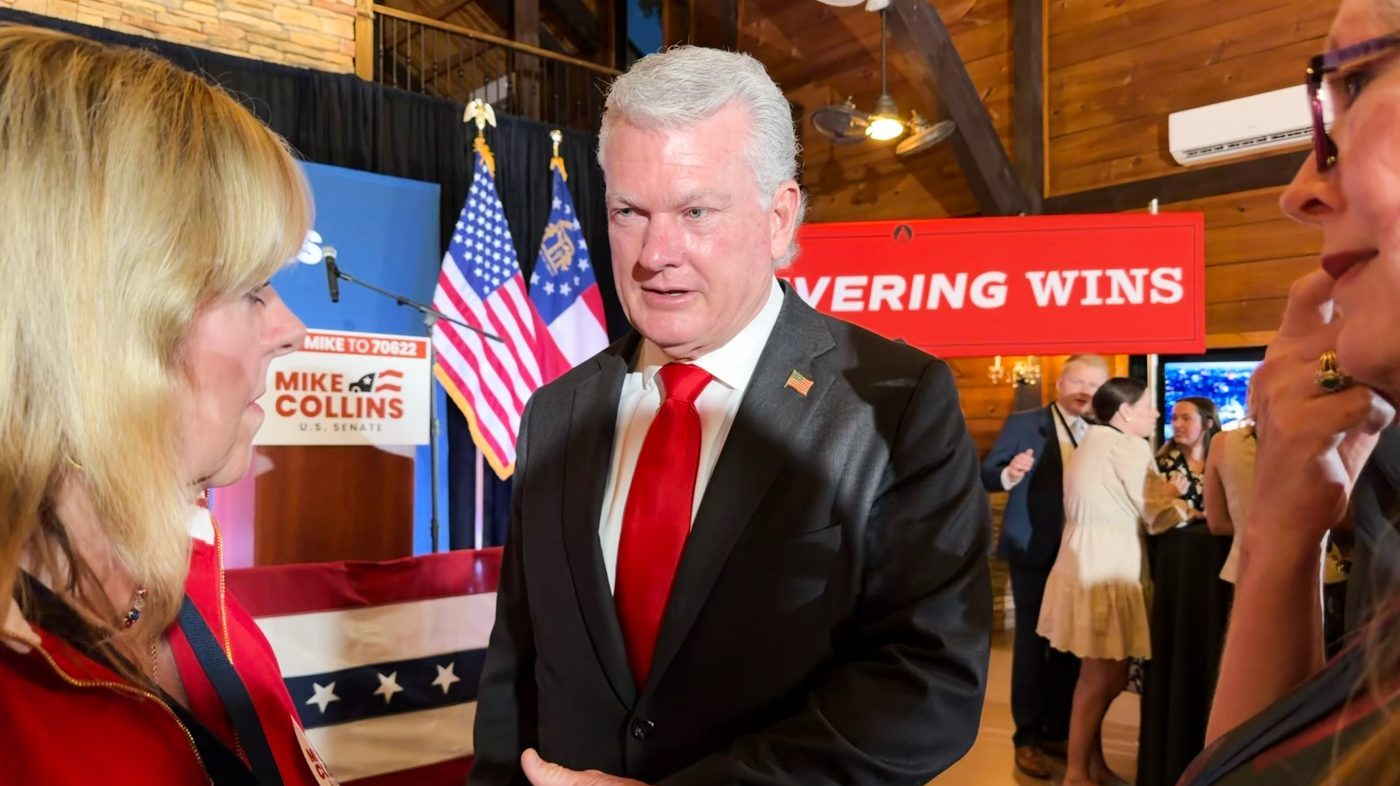
Rep. Mike Collins (R) has secured the Republican nomination for Georgia's U.S. Senate seat, defeating former University of Tennessee football coach Derek Dooley in a runoff election, according to Decision Desk HQ. The victory sets up a high-stakes general election contest against incumbent Sen. Jon Ossoff (D) this fall.
Collins's win marks a significant triumph for President Trump, who issued a last-minute endorsement over the weekend for the conservative congressman over Dooley. The race pitted Trump against Georgia Gov. Brian Kemp, who backed Dooley, highlighting ongoing tensions within the state's GOP as Trump continues to wield influence in Republican primaries. This dynamic mirrors other recent contests where Trump has challenged Kemp's picks, including a split in Georgia and South Carolina governor runoffs.
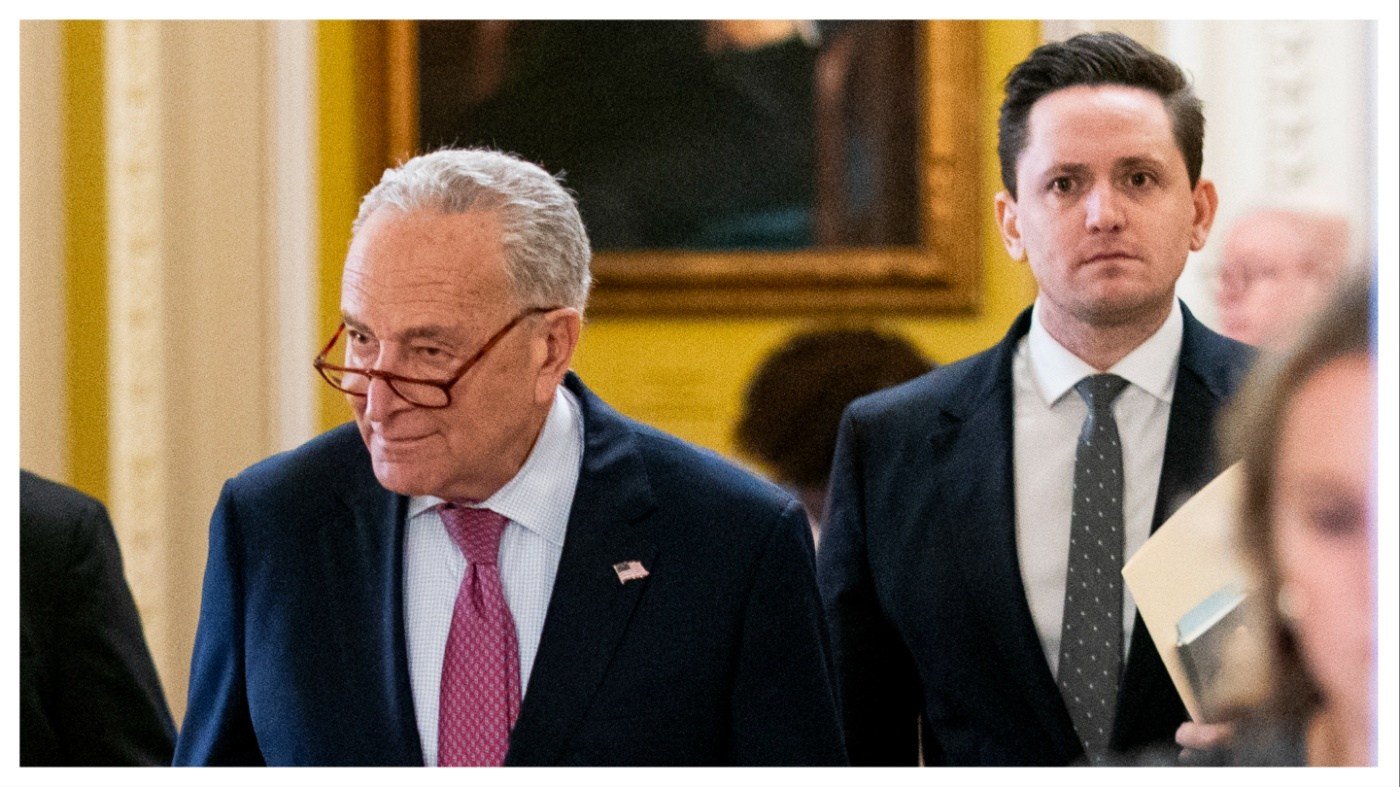
Collins, the son of former Rep. Mac Collins, gained national prominence for sponsoring the Laken Riley Act, immigration legislation that allows federal authorities to detain undocumented immigrants accused of certain crimes like burglary and theft. His campaign also benefited from close ties to Trump's political orbit, with current and former staffers involved in the president's operations, and endorsements from key allies like Rep. Brian Jack (R-Ga.), a former Trump White House political director.
However, the runoff was not without controversy. Collins fired a longtime aide, Brandon Phillips, after the campaign's X account posted an insensitive remark mocking the strategist of a pro-Dooley group, whose wife had accused former NBC anchor Matt Lauer of rape and later attempted suicide. Collins quickly condemned the post and said he made staffing changes to prevent a recurrence.
Dooley sought to position himself as an outsider, touting his coaching background and focusing on deficit reduction and term limits. But some Republicans noted his institutional backing from Kemp undercut that narrative. Trump and other Republicans also criticized Dooley for acknowledging that Trump lost Georgia in 2020—a fact the president continues to baselessly dispute—and for missing some state elections.
The runoff was necessitated after neither candidate secured a majority in the initial primary last month. Collins led with nearly 41 percent, while Dooley garnered 30 percent.
Collins now faces a tough general election battle against Ossoff, who is widely seen as the most vulnerable Senate Democrat up for reelection. Ossoff has amassed a formidable war chest of over $32 million, according to his latest campaign filing, and benefits from incumbency and the historical headwinds midterm elections pose for the president's party. Georgia, a battleground state Trump won in 2024, has a history of close, ticket-splitting elections, adding another layer of uncertainty.
The race will test the strength of Trump's endorsement against a well-funded Democratic incumbent in a state that has become a key electoral battleground. As Collins pivots to the general election, he will need to consolidate Republican support and navigate the same political dynamics that have made Georgia a perennial swing state.