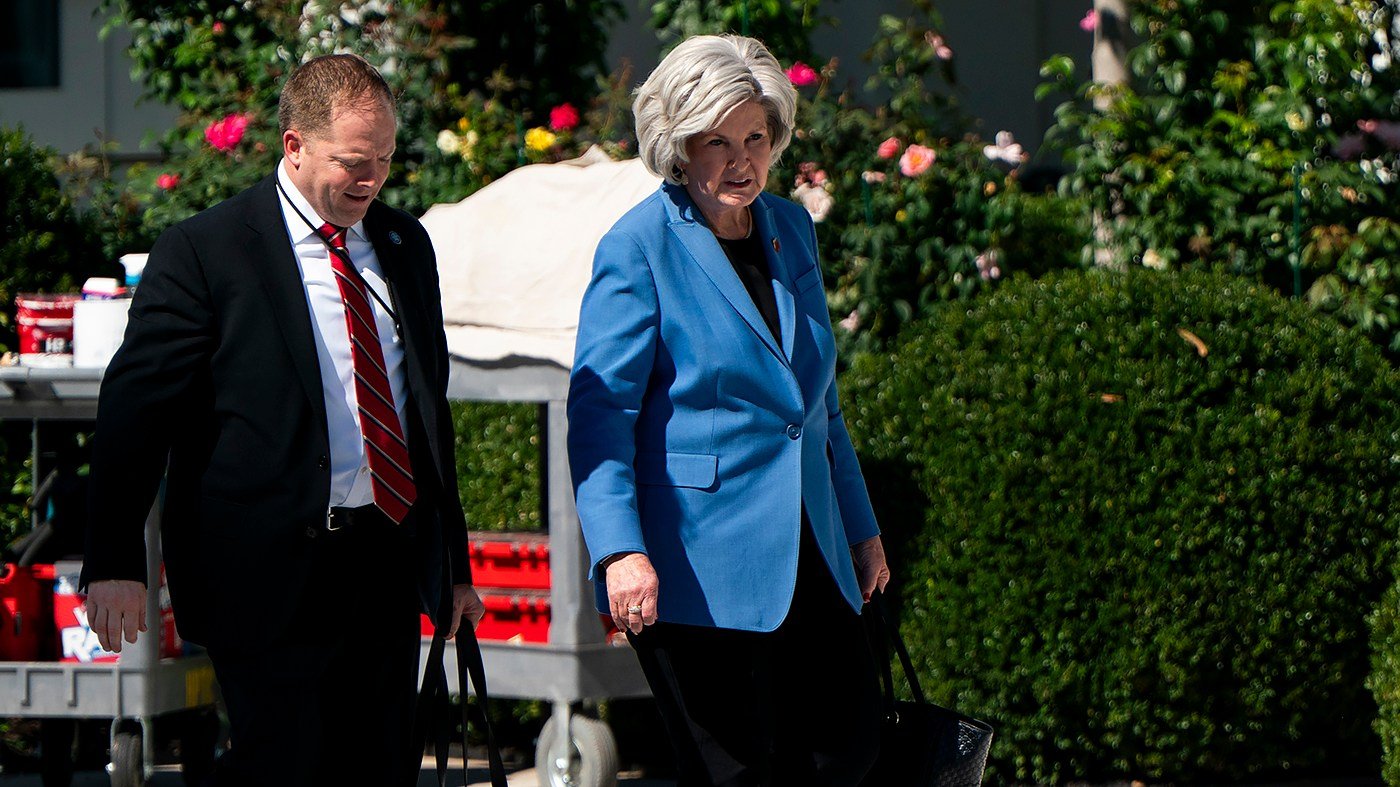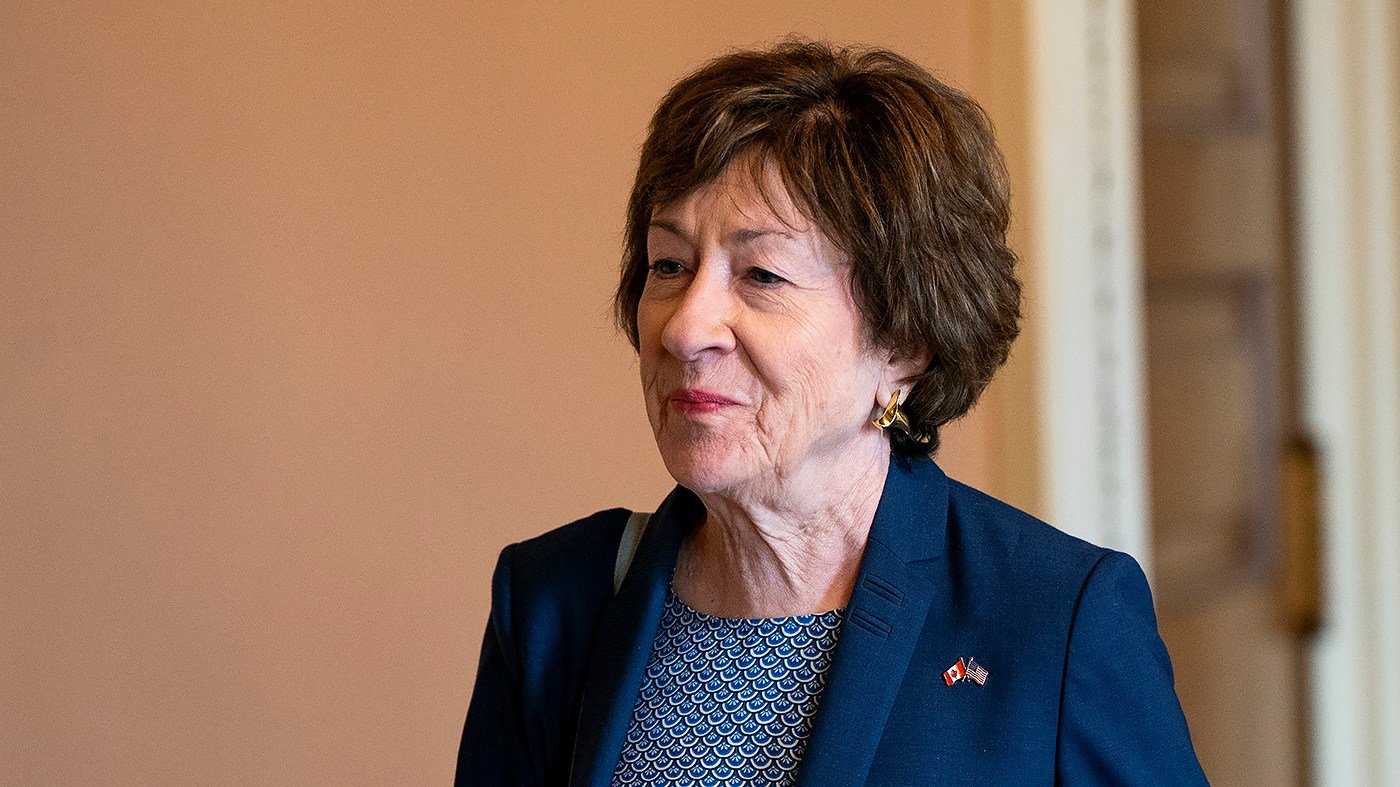
Sen. Susan Collins (R-Maine), locked in a competitive re-election battle, is publicly breaking with President Trump over his escalating tariff threats against Canada, calling the move a mistake that would hurt her state's economy.
In an interview with News Center Maine, Collins said she still believes imposing new tariffs on Canada is the wrong approach, despite the administration's push to renegotiate trade terms. She stressed that Maine and Canada share a deeply integrated economic relationship, with goods like blueberries, potatoes, lobster, and lumber often crossing the border for processing before returning to U.S. markets.
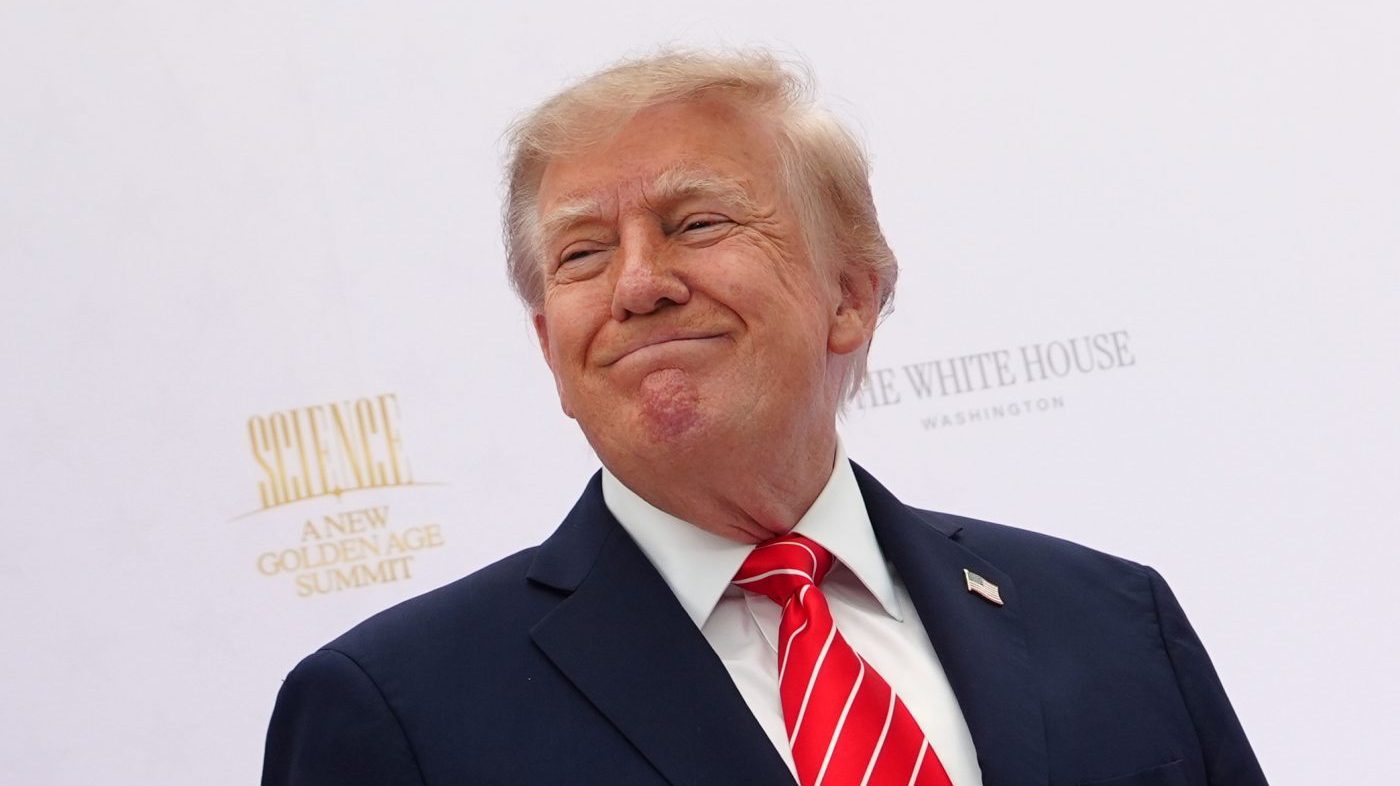
“I really want us to go back to the very friendly, economically beneficial relationship that we have with our Canadian neighbors,” Collins said. She warned that a tariff of up to 50 percent on those products would drive up costs for consumers and businesses alike, affecting everything from food prices to home construction.
The senator's comments come as she faces a tough November election, a race that has drawn national attention. Her stance puts her at odds with the president and with some Republicans who back the tariff strategy, but aligns with her long-held position on free trade with Canada.
Collins also revealed she recently met with Canada's ambassador to the United States, urging him to address what she called a trade barrier against U.S. dairy imports. She expressed hope that negotiations would resume and lead to a deal, but acknowledged the process has been volatile.
“This has been really up and down,” she said. “Who knows what tomorrow will bring but I hope it brings an agreement.”
Her remarks follow Trump's announcement of a 50 percent tariff on cars, trucks, auto parts, and steel, set to take effect January 1, 2027. That came on the heels of a separate 50 percent tariff on $20 billion in Canadian imports, including hockey sticks, whiskey, goose-down jackets, ice skates, furniture, and lumber, which went into effect over the weekend.
On Saturday, Collins took to X, the social media platform, to voice her concerns, writing that the on-again, off-again trade talks are creating higher costs, risk, and uncertainty for Maine businesses. She noted that most companies would have no choice but to pass the tariffs on to customers through higher prices.
Maine imports roughly $2 billion in non-petroleum products from Canada annually, according to Collins. She has urged U.S. and Canadian negotiators to return to the table until they reach a deal, a position that echoes her past advocacy for cross-border trade.
The dispute has become a flashpoint in the 2026 midterm campaigns, with some Republicans like Collins breaking with the White House on trade policy. Meanwhile, Vice President Vance has been in Maine promoting the administration's manufacturing agenda, though Collins notably skipped his rally, a sign of the political tightrope she is walking.