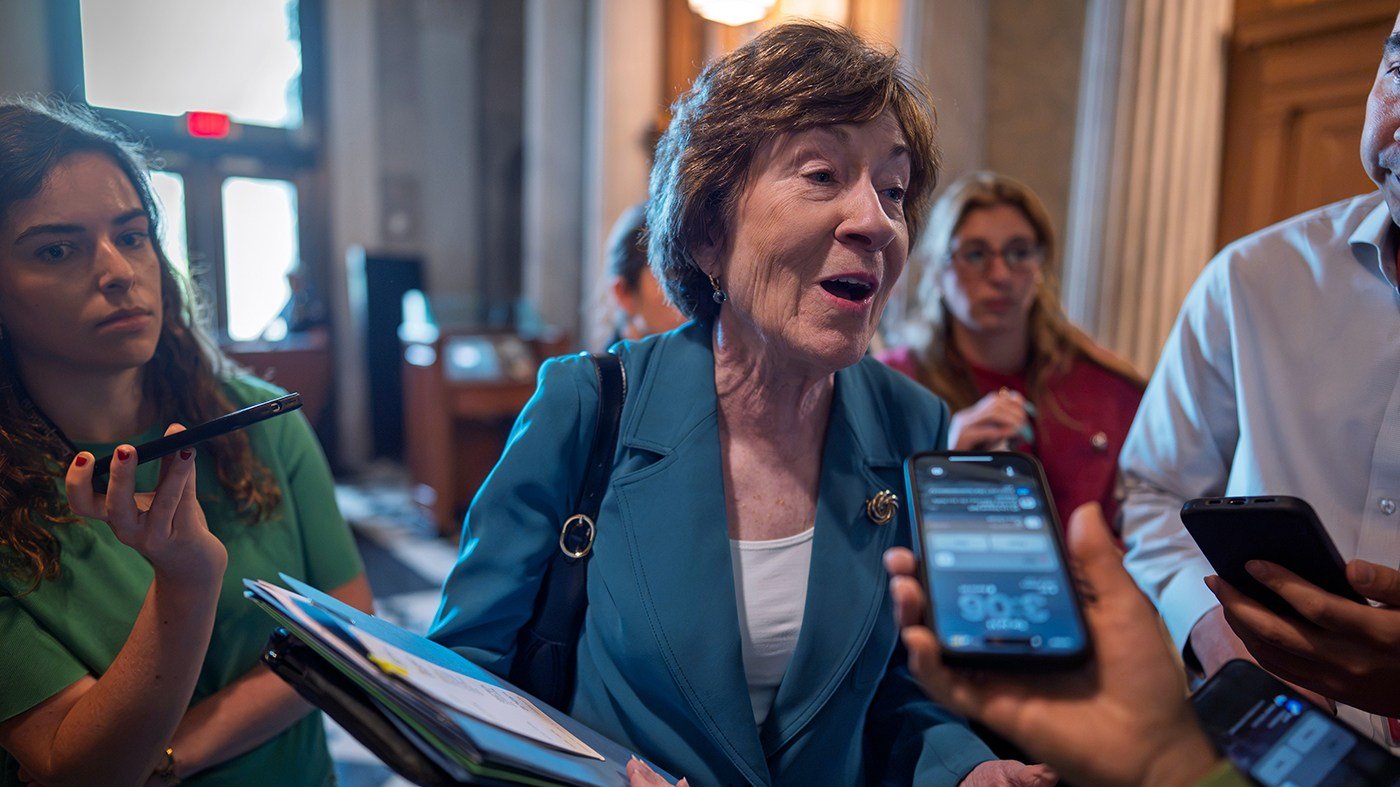
Sen. Susan Collins (R-Maine) announced Friday that more than $38 million in federal home heating assistance will be released early to help low-income Mainers cope with soaring heating oil prices. The move, which Collins said followed her direct appeals to the Trump administration, is a notable victory for the senator as she faces a tough reelection battle against Democratic challenger Troy Jackson.
Collins said on X that after conversations with Health and Human Services Secretary and the Office of Management and Budget Director, the funds from the Low Income Home Energy Assistance Program (LIHEAP) would be disbursed ahead of schedule. “This is one of the earliest releases of LIHEAP funding,” she said, adding that the timing is critical as “rising home heating oil prices are placing significant financial pressure on Mainers.”
The announcement comes amid a spike in fuel prices, particularly heating oil, which is widely used in the Northeast. The surge is attributed to the ongoing U.S.-Iran conflict and Ukraine’s strikes on Russian oil refineries, which have tightened global supplies and driven up costs for consumers.
The high prices have become a political liability for incumbents, and Collins has been eager to show she is addressing the issue. In a recent debate, Jackson called for more LIHEAP funding, expanded eligibility, and an end to the war in Iran. Collins, for her part, highlighted her discussions with the administration and advocated for expanding the program and boosting weatherization assistance.
While LIHEAP enjoys broad bipartisan support in Congress, the Trump administration has repeatedly proposed cutting its budget and last year fired staffers working on the program. This has raised concerns among advocates about the program’s long-term stability, even as this early release offers immediate relief.
Mark Wolfe, executive director of the National Energy Assistance Directors Association, praised the decision as a significant step. “This is record time. Usually we don’t see the money for 30 days,” he said in an email. “This will definitely help cold weather states get their programs started early … and provide immediate relief to families using heating oil.” Wolfe also expressed hope that Congress would allocate additional funds, noting that heating oil prices continue to hit record levels.
Collins, who chairs the Senate Appropriations Committee, has leverage over federal spending, and her ability to secure this early release underscores her influence. The move is likely to feature prominently in her campaign messaging as she seeks to contrast her record with Jackson’s calls for more aggressive action.
The timing of the announcement is no coincidence, as Collins and Jackson trade barbs in what has become one of the most closely watched Senate races in the country. The two have clashed over tariffs and other issues, and energy costs are emerging as a central theme.
While the early release is welcome news for Maine families, advocates warn that more funding is needed to meet the demand. Wolfe noted that this is “hopefully the first step in addressing the need for additional money” as prices remain high. The G7’s recent oil release may provide some relief, but the impact on heating oil prices remains uncertain.
For Collins, the announcement is a chance to demonstrate her effectiveness in Washington, but it also raises questions about the administration’s overall commitment to the program. As the campaign heats up, voters in Maine will be watching closely to see whether this early release translates into tangible relief for families struggling to stay warm this winter.