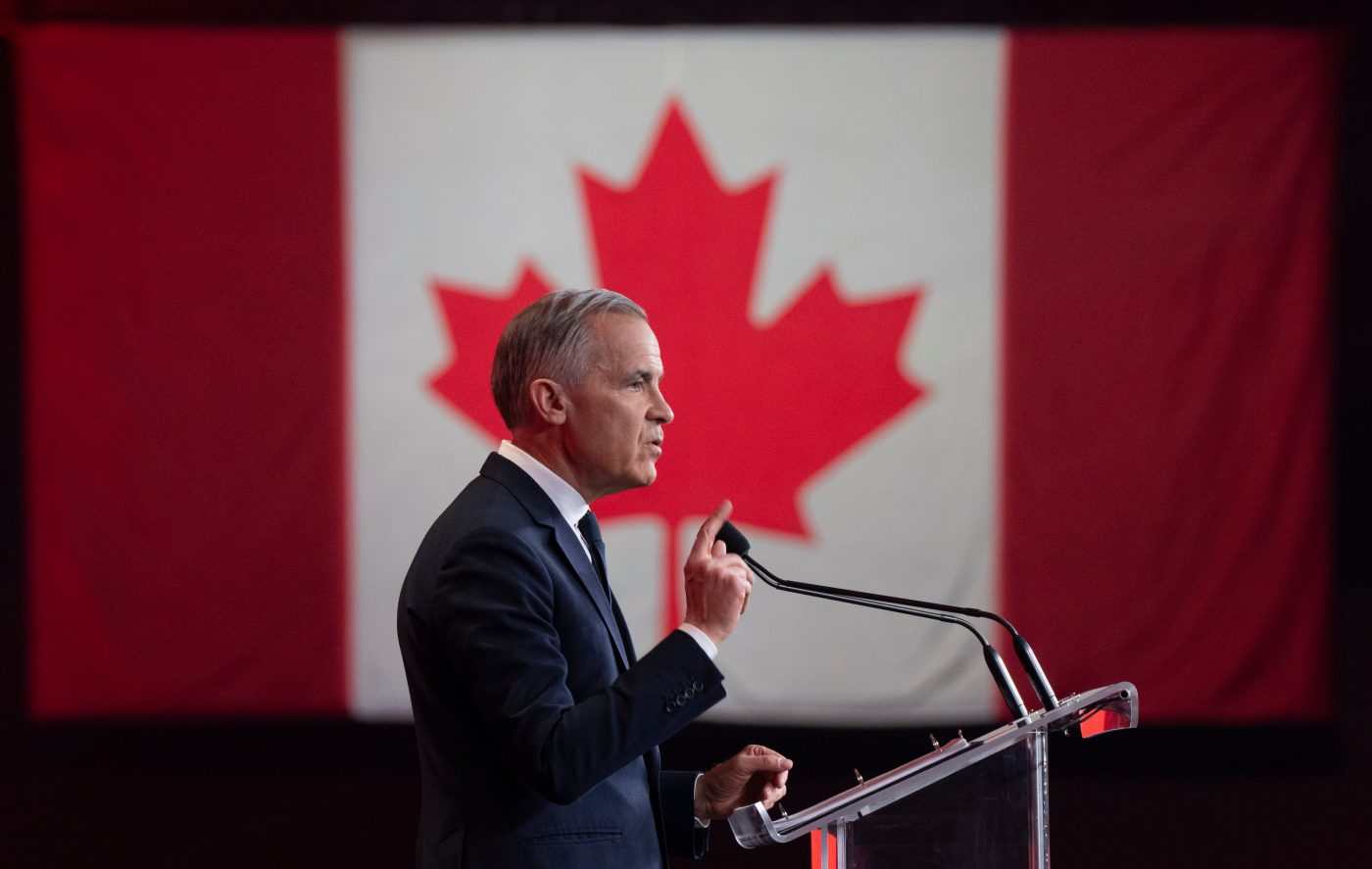
Prime Minister Mark Carney on Monday forcefully rejected Alberta's planned independence referendum, labeling it a “dangerous bluff” that could lead to unintended consequences, much like Brexit did in the United Kingdom. Speaking to reporters, Carney—who served as governor of the Bank of England from 2013 to 2020—warned that such votes are often sold as harmless bargaining chips but can spiral out of control.
“In these separation issues, it is often advanced that, ‘Vote for this and it’s a free option,’ ‘Vote for this and we will strengthen our hand in a future negotiation.’ That is a very dangerous bluff,” Carney said, calling it an “observation from experience.” He pointed to the 2016 Brexit referendum, where many voters thought they were casting a protest vote or a negotiating tactic, only to see Britain leave the European Union with lasting economic and political fallout. “I saw firsthand what happened in the United Kingdom… They ended up, and they’re still—10 years later—trying to undo what people didn’t think they were voting for,” Carney added.
The October referendum in Alberta asks voters whether the province should begin the process of seceding from Canada. But Premier Danielle Smith has moved to tamp down expectations, telling The Associated Press that a “yes” vote would not itself trigger independence. Instead, it would merely signal support for holding a future binding referendum on the question. “I want to be clear. I support Alberta remaining in Canada, and this is how I would vote on separation in a provincial referendum. It is also the position of my government,” Smith said.
Even if Albertans eventually vote yes in a binding referendum, legal experts note that secession would require negotiations with the federal government. A 1998 Supreme Court ruling established that no province can unilaterally break away from Canada. That constitutional reality has not stopped separatist groups from pushing the issue, especially amid growing frustration in Alberta over federal energy and environmental policies.
The push for Alberta independence has taken on a more alarming dimension with reports that the Trump administration earlier this year met with a fringe far-right separatist group called the Alberta Prosperity Project. British Columbia Premier David Eby condemned those meetings as amounting to “treason,” a sharp escalation in cross-border tensions. The developments come as Pentagon suspends joint defense board with Canada, further straining relations between Ottawa and Washington.
Carney’s blunt dismissal of the vote reflects a broader concern in Ottawa that separatist sentiment, even if not immediately actionable, could destabilize the federation and embolden other provinces. The prime minister’s remarks also echo warnings from constitutional scholars who note that referendums, once held, create political momentum that is hard to reverse.
For now, Smith is walking a tightrope: acknowledging the grievances that fuel the separatist movement while insisting she has no desire to break up Canada. But with Alberta separatists gaining White House ear, the stakes are higher than ever. The October vote, even if symbolic, could reshape Canada’s political landscape for years to come.