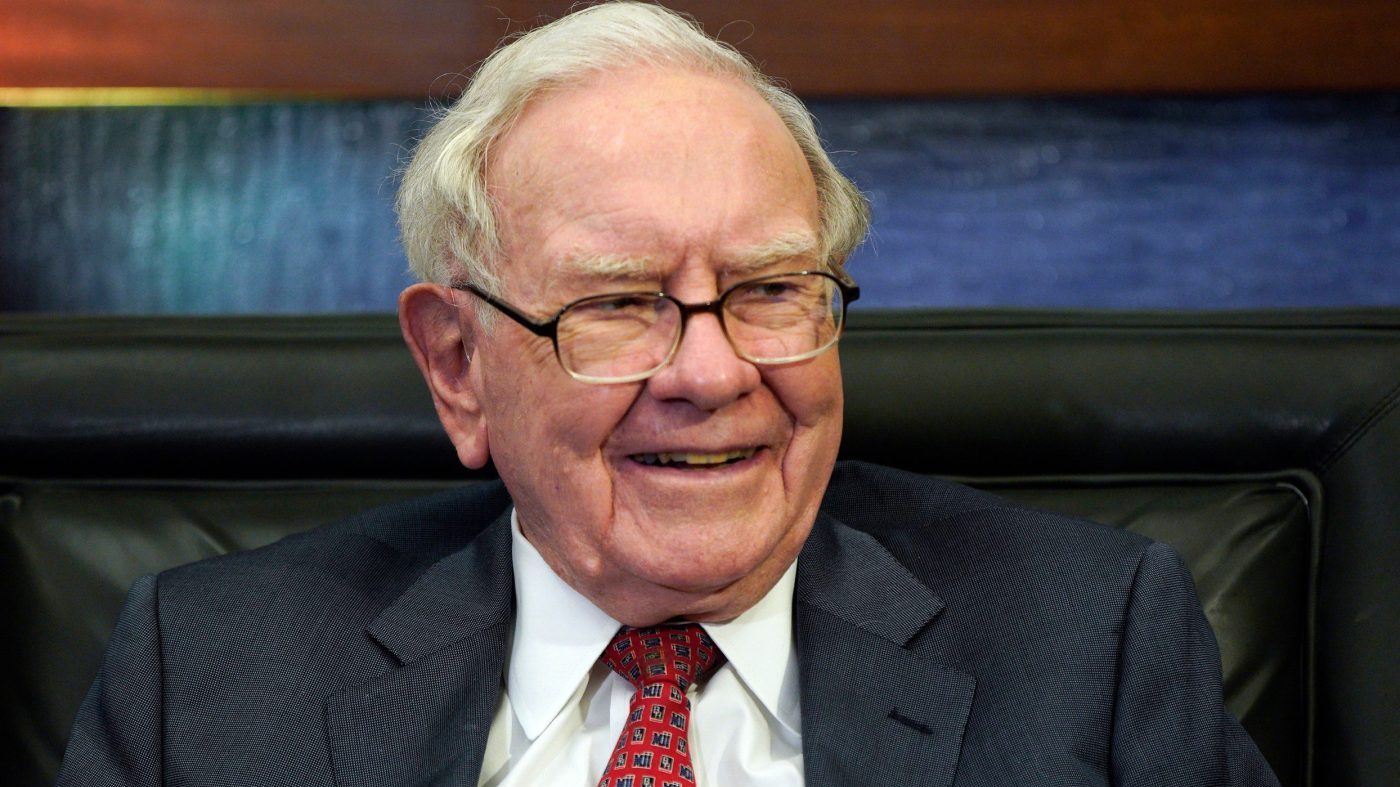
Warren Buffett, the legendary investor who built Berkshire Hathaway into a $1 trillion conglomerate, announced Friday that he is stepping down as chairman, a role he has held for over six decades. The 96-year-old will stay on the board as chairman emeritus, and his son, Howard G. Buffett, will take over the chairmanship immediately.
In a letter to shareholders, Buffett described his tenure as "the privilege of a lifetime," while acknowledging the inevitability of time. "Father Time always wins. He has, however, been generous with me," he wrote. "He has given me the opportunity to see Berkshire reach a point where I am more confident than ever about what lies ahead. The company is in excellent hands, and I look forward to remaining a shareholder alongside you."

The announcement, while not entirely unexpected given Buffett's age, marks the end of an era for a company whose culture and shareholder-first ethos have become legendary in American business. Berkshire's CEO, Greg Abel, praised Buffett's legacy, saying, "Warren's impact on Berkshire and its owners is without parallel in the history of American business. The culture Warren built and the values he championed will remain at the heart of Berkshire, and Howard will be their guardian."
Howard Buffett, the middle child of the investor, has served on Berkshire's board for 33 years. At 71, he also runs the Howard G. Buffett Foundation, a charitable organization recognized in TIME Magazine's 2026 philanthropy list for its relief efforts in Ukraine following Russia's 2022 invasion. His father's letter emphasized his son's commitment, writing, "Howard cares deeply about Berkshire, as do all of our Directors. No company has been or will be more shareholder-minded than Berkshire."
The transition comes at a time when other corporate giants are also handing over the reins—recently, Tim Cook stepped back as Apple CEO, a move that underscores a broader generational shift in corporate leadership. For Berkshire, the succession plan has been in place for years, with Abel already designated as the next CEO, and now Howard Buffett taking the chairman role, ensuring family continuity at the top.
Buffett's departure from the chairmanship does not mean a complete exit. As chairman emeritus, he will remain on the board, providing guidance and continuity. His influence on the company's investment philosophy and culture is expected to endure, even as a new generation takes the helm.
Investors and analysts will be watching closely to see how Howard Buffett and Greg Abel navigate the challenges ahead, from succession planning to maintaining Berkshire's unique decentralized structure. The company's annual meeting, often dubbed "Woodstock for Capitalists," will likely see a changing of the guard, with Buffett's presence still felt but his role diminished.
Berkshire Hathaway's portfolio spans insurance, railroads, utilities, and a vast array of consumer brands, making it a bellwether for the U.S. economy. With Buffett's step back, the company enters a new chapter, one that will test whether its culture can survive without its iconic leader at the helm.