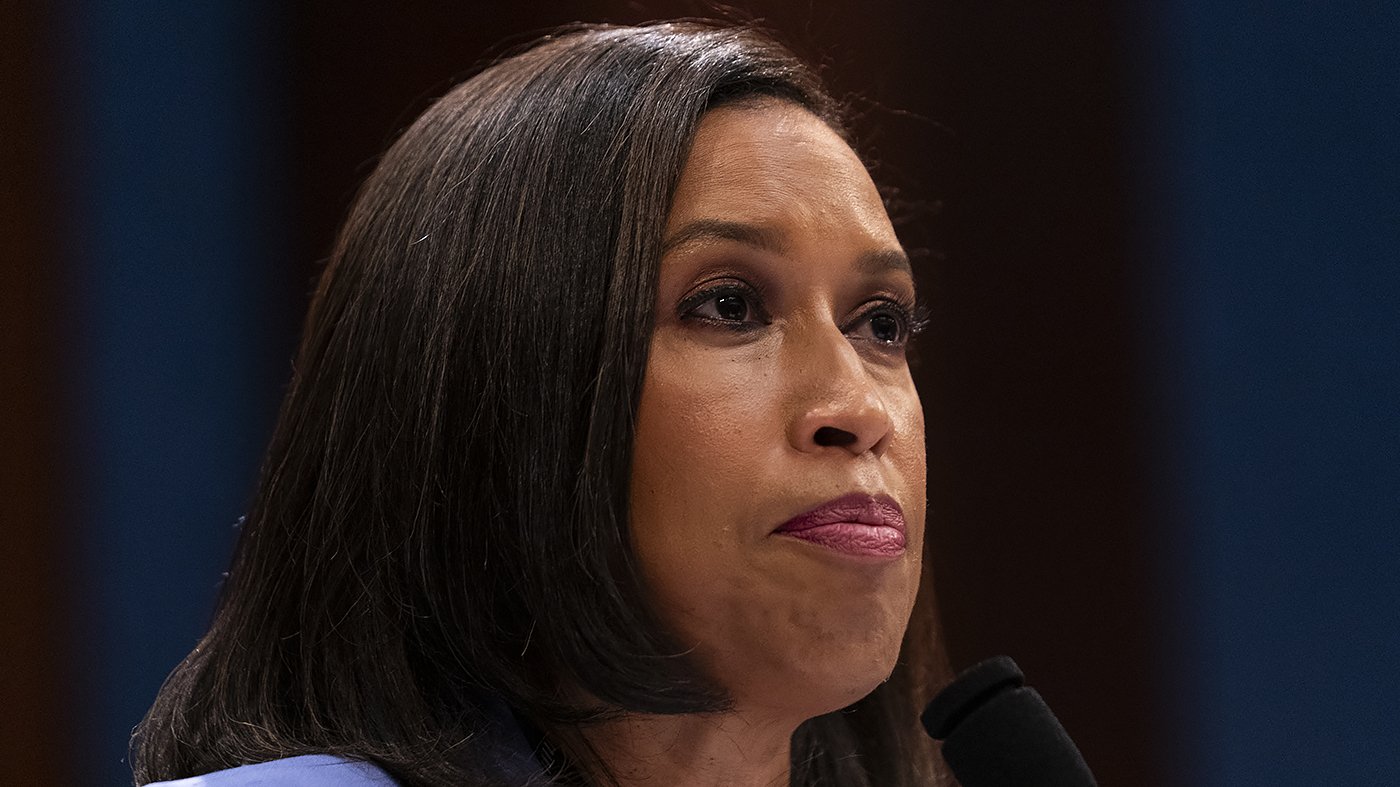
Washington, D.C. Mayor Muriel Bowser (D) reinstated a limited youth curfew Friday, extending emergency restrictions for two weeks in response to a recent surge in underage crime and disorderly conduct across the nation's capital. The order, effective immediately, prohibits anyone under 18 from being in public after 11 PM citywide, with designated zones subject to an earlier 8 PM curfew as determined by the Metropolitan Police Department.
Bowser announced the move on social media platform X, writing, "Effective tonight, all youth under 18 are subject to an 11PM curfew—and designated zones will be subject to an 8PM curfew as determined by the Chief of Police." The directive also bans gatherings of more than nine minors in curfew zones unless they are participating in exempted activities or accompanied by an adult.
Emergency Declared After Chipotle Brawl
The mayor first declared a public emergency in late May following a brawl at a Chipotle restaurant in the Navy Yard neighborhood. Three teenagers were arrested this week on simple assault and affray charges in connection with the incident, according to local outlet DC News Now. In her Friday order, Bowser cited the viral footage of "unruly groups of youth, such as the individuals dressed in black wearing masks while fighting and hurling chairs at Chipotle," arguing it "harmed the District's reputation as a safe and fun place for visitors and residents alike."
Bowser stressed that the extended curfew was "urgently needed" during the summer months when schools are out and "summer heat tends to exacerbate tempers," drawing more people outdoors. The order aims to prevent a repeat of such incidents, which she said deter tourism and local engagement.
Political Backdrop: Trump and Federal Criticism
The curfew reinstatement comes amid ongoing political friction over crime in D.C. President Trump has previously argued that the capital has been "overtaken" by violent criminals and "roving mobs of wild youth," leading him to surge federal law enforcement, including National Guard troops, to the city last August as part of a crime crackdown. That move drew sharp criticism from local officials who viewed it as an overreach.
U.S. Attorney for the District of Columbia Jeanine Pirro has intensified the pressure, accusing the D.C. City Council of refusing to address the "problem" of "teen takeovers." She has suggested the curfew does not go far enough to curb potentially dangerous situations. In a statement last month, Pirro announced that parents who knowingly allow their child to violate the curfew could face up to six months in jail, regardless of whether the juvenile is separately prosecuted. Her office plans to work with the Metropolitan Police Department to seek citations when curfew violations are linked to "takeover-related incidents," including mandatory parental notification, court-ordered parenting classes, or family counseling.
"Law-abiding taxpayers should not subsidize chaos caused by parental neglect," Pirro said. "Parents do your job, or we will do ours."
Wider Implications for D.C. Governance
The curfew debate is unfolding against a broader political landscape in D.C., where the mayoral race has drawn national attention. A recent poll showed Democratic Socialist candidate Lewis-George leading by double digits, a development that has sparked warnings from Trump about a potential federal takeover of the city if a socialist wins the mayoral race. The curfew order also echoes concerns about youth unemployment, with the New York Fed linking the remote work surge to rising joblessness among young people.
As the two-week curfew takes effect, the Bowser administration faces the challenge of balancing public safety with civil liberties, while federal and local officials continue to clash over the best approach to curb youth crime. The effectiveness of this measure will be closely watched by residents and policymakers alike.