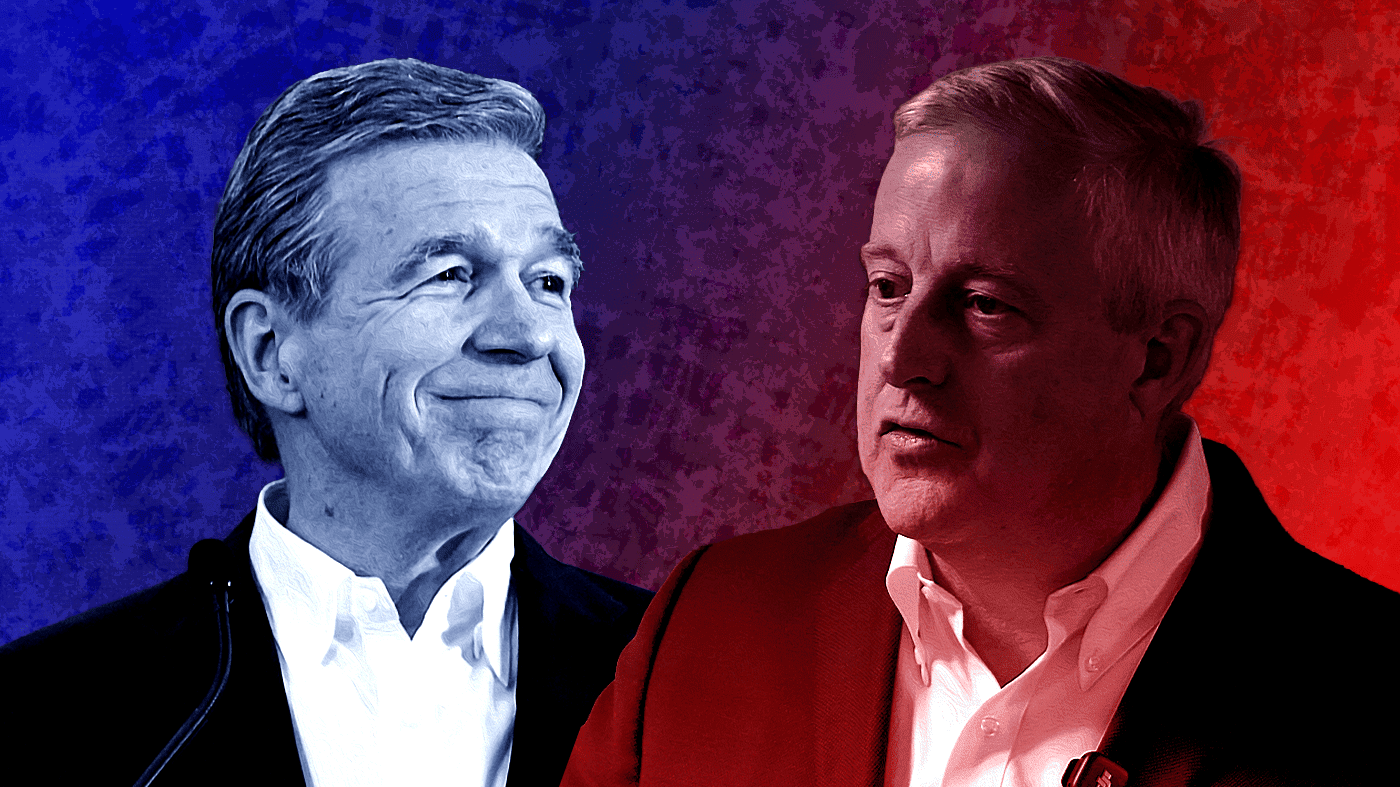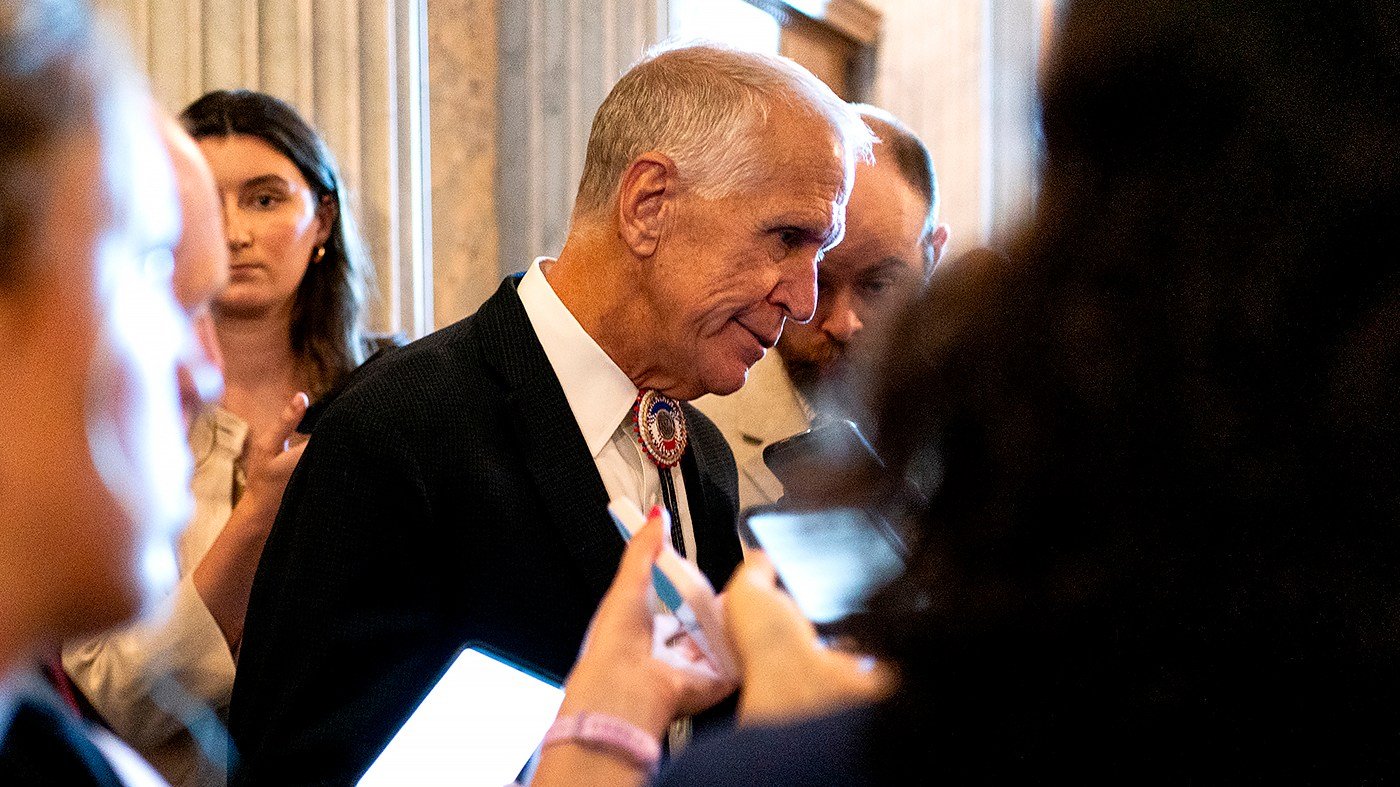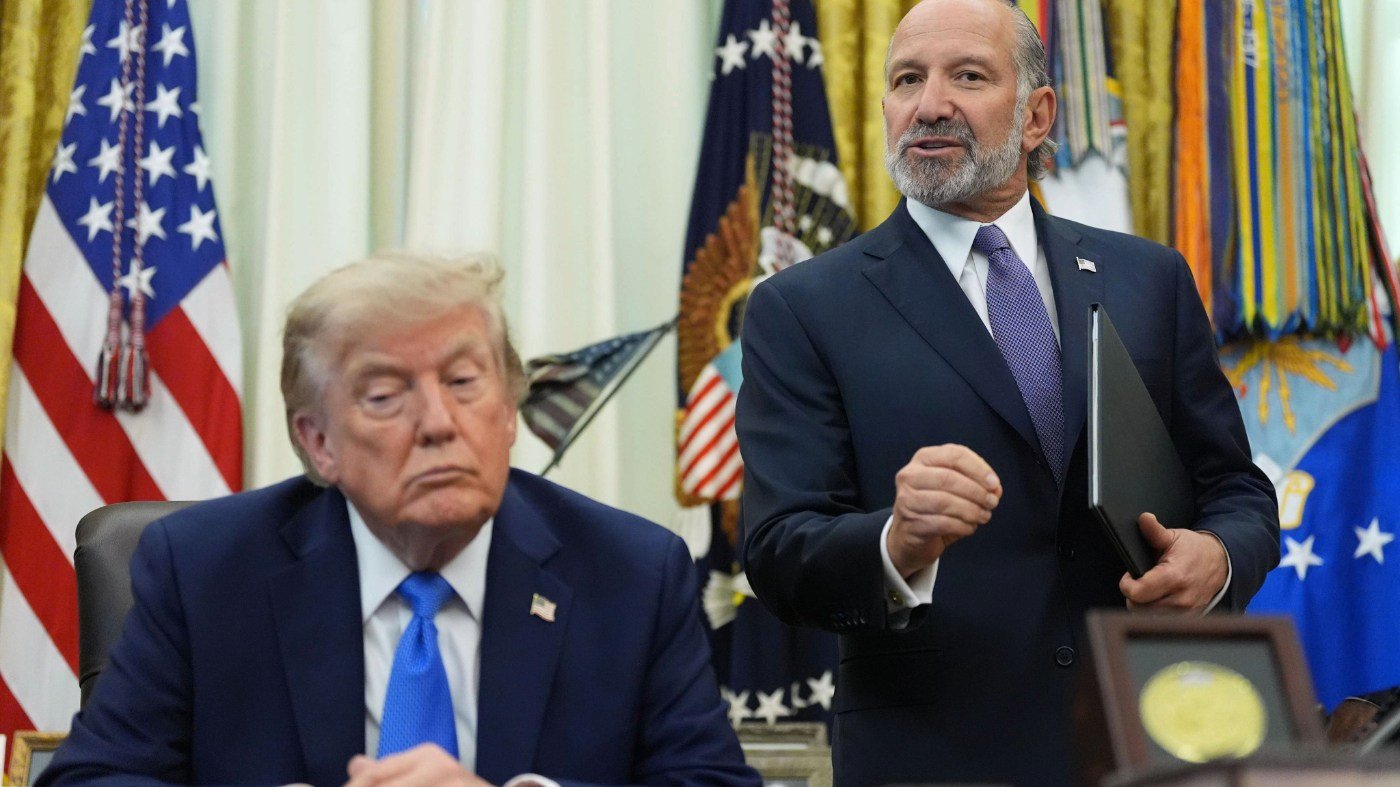
New York City Mayor Zohran Mamdani's plan to open five city-owned grocery stores and the Trump administration's nearly $1 billion equity investment in semiconductor firms highlight a growing bipartisan comfort with government ownership of private enterprise.
Mamdani, a self-described democratic socialist, announced this summer that the city would launch one grocery store in each borough, housed in rent-free municipal buildings, offering staples like bread, cheese, and meat at roughly 30 percent below market prices. While the scale is modest, the principle is significant: it represents direct government ownership of retail businesses.

President Trump has criticized Mamdani, telling reporters, "We've got ourselves a Communist mayor in New York. And I don't like Communist mayors." Trump's 2019 State of the Union pledge that "America will never be a socialist country" seems at odds with his own administration's actions.
Last month, the Commerce Department signed letters of intent to acquire minority equity stakes in seven semiconductor companies—GlobalFoundries, Kepler, Multibeam Corporation, Extropic, Thintronics, OBSIDIA Semiconductors, and Aeluma—in exchange for $874 million in research and development funding. This follows earlier federal acquisitions of roughly 10 percent stakes in Intel, MP Materials, Lithium Americas, and Trilogy Metals, as well as a "golden share" in U.S. Steel granting veto power over major decisions.
These moves are not isolated. The administration has justified them on national security grounds, echoing a rationale used for data center policies that have drawn GOP pushback. Yet the mechanism is unmistakably statist: the government is becoming a partial owner of key industries.
Progressives who celebrate Mamdani's grocery stores often decry corporate-government collusion, while conservatives who attack "socialism" on the left overlook the administration's own interventions. This hypocrisy underscores a deeper trend: neither the modern left nor the right is committed to keeping the state out of business ownership.
Historical evidence is clear—socialism has failed economically and humanely wherever it has been tried, from 20th-century experiments to Venezuela's democratic socialism today. Economic freedom, by contrast, correlates with better outcomes on nearly every development metric.
Yet the political class seems to be moving in the opposite direction. As critics of tariffs have noted, protectionist and interventionist policies often serve political interests rather than economic logic. The same can be said for government equity stakes.
If America is to remain prosperous, voters must reject socialism in all its forms—whether it comes from the left's affordability schemes or the right's national security justifications. The choice is not between two flavors of state control; it is between state control and genuine free enterprise.