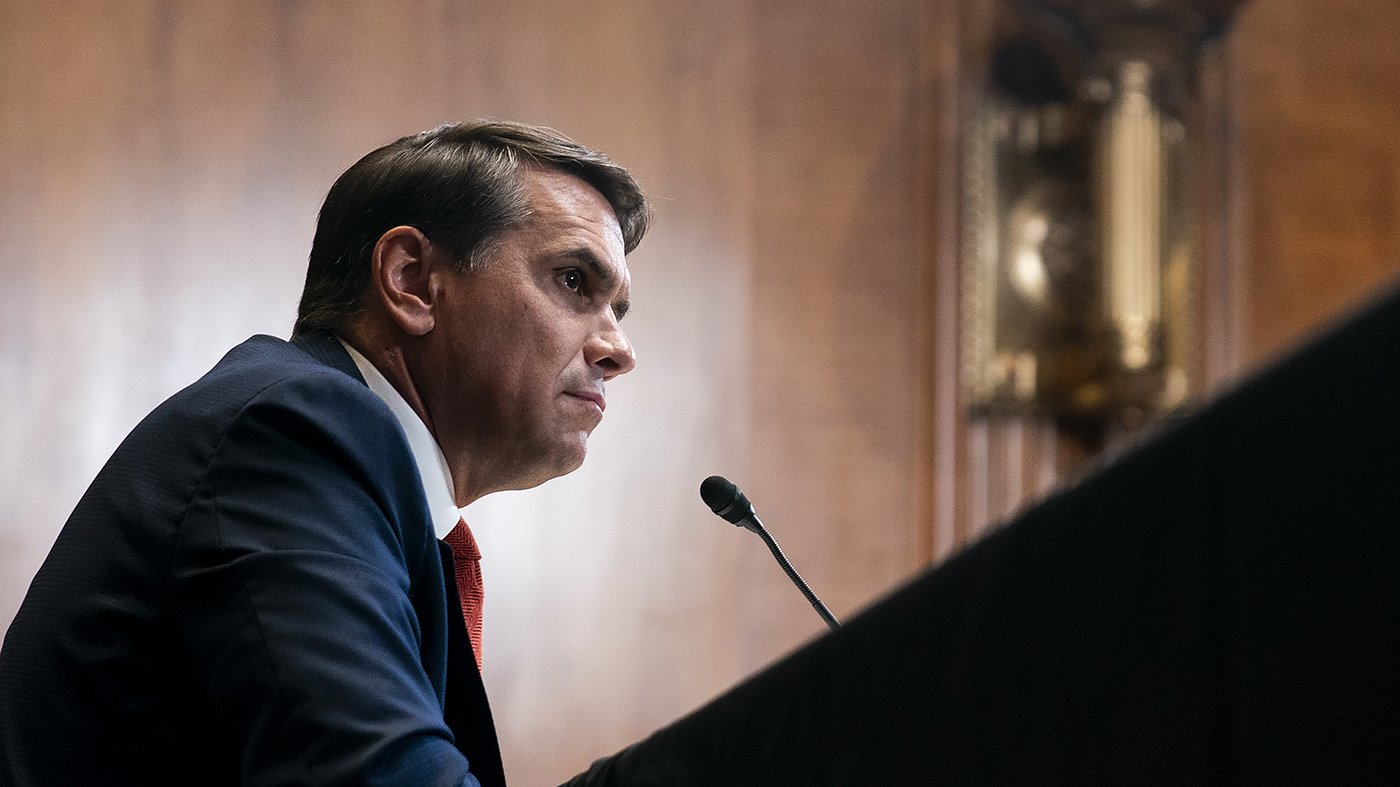
Acting Attorney General Todd Blanche is leveraging a weekend shooting near the White House to bolster the case for President Donald Trump's controversial ballroom project, filing a court document Sunday that calls the incident a stark reminder of the need for enhanced security at the executive mansion.
In a federal court filing, Blanche argued that the shooting—which occurred Saturday evening at 17th Street and Pennsylvania Avenue NW—"underscores the critical need for top level, state of the art security at the White House, including the Ballroom." The filing supports the Justice Department's position in a lawsuit filed by the National Trust for Historic Preservation, which seeks to block the $400 million project.
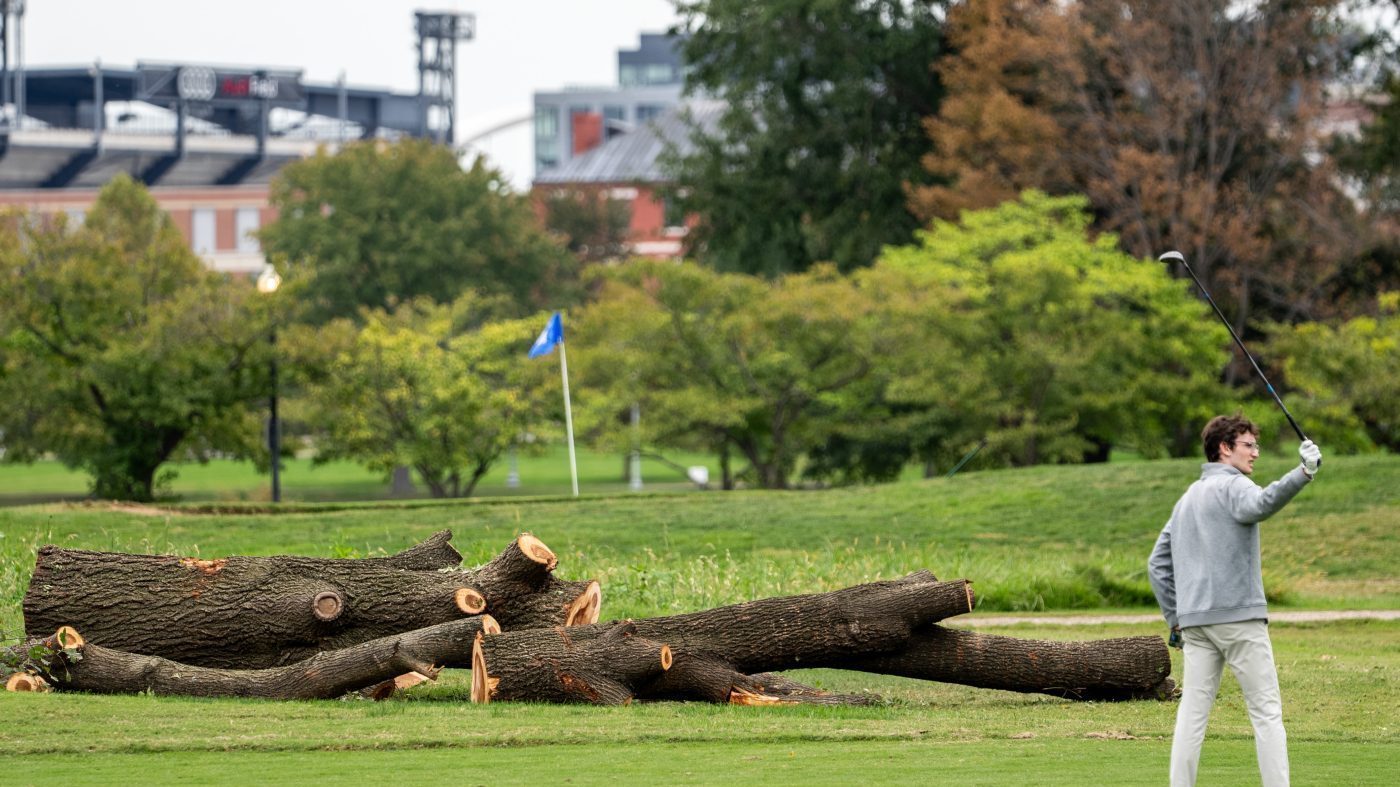
The ballroom, Blanche wrote, would allow Trump to "perform his constitutional duties in a safe and heavily secured facility." The project, which began construction in October after the demolition of the East Wing, has been a priority for Trump, who has touted its funding from private donors. However, a group of Senate Republicans introduced legislation to provide $1 billion in congressional security funding after a previous shooting at the White House Correspondents' Association dinner, a move that faced pushback from some in the party. The Senate parliamentarian ruled earlier this month that the funds could not be included in the budget reconciliation package.
The weekend shooting unfolded when 21-year-old Nasire Best pulled a weapon from his bag and opened fire, according to Secret Service Chief of Communications Anthony Guglielmi. Secret Service officers returned fire, fatally striking Best. One bystander was hit in the exchange; Secret Service Director Sean Curran said Sunday the agency is "hopeful" the injured individual will recover. Trump was in the White House at the time, but Guglielmi noted that no protectees were affected.
Blanche characterized the shooting as a "second attempted assassination" of Trump within a month, referencing the September incident at a hotel where Trump was attending the WHCA dinner. In that case, 31-year-old Cole Allen exchanged gunfire with Secret Service officers and was later indicted on charges of attempting to assassinate Trump and other firearms violations. Allen, who had written about targeting administration officials, has pleaded not guilty.
The acting attorney general described Saturday's gunman as an "armed assassin" who fired "in the exact direction of the White House." Authorities have not disclosed any political motive for the attack.
Blanche also detailed the security features of the ballroom project, which include bomb shelters, a hospital, military installations, a drone-proof steel roof, missile-resistant columns, bulletproof and blast-proof glass, and military-grade ventilation. "The under construction East Wing Project, which is on time and under budget, includes state of the art security features to repel all attacks against the President, his family, his staff, and esteemed visitors," he wrote.
The project has drawn criticism from preservationists and some lawmakers who question its cost and necessity. The National Trust for Historic Preservation's lawsuit argues that the construction violates historic preservation laws. Trump has consistently defended the project, which he says is essential for modern security needs.
This latest incident comes amid ongoing debates over security funding for the White House and Trump's broader push for enhanced protection, including a separate $1.8 billion "lawfare" fund that has divided Republicans. The shooting also highlights the heightened security environment surrounding the president, following recent threats and attacks.