As the United States prepares to celebrate its 250th anniversary, the prospect of national unity remains elusive. The Supreme Court's recent decision on birthright citizenship has crystallized the deep ideological rift over what it means to be American, with liberals celebrating the ruling as a constitutional victory and conservatives condemning it as a threat to national character.
The ruling, which affirmed that nearly all individuals born on U.S. soil are citizens, drew sharp reactions across the political spectrum. Progressive leaders hailed it as a reaffirmation of fundamental rights, while conservative figures argued it would undermine the nation's cultural identity. This debate is just one facet of a larger struggle over the country's direction.
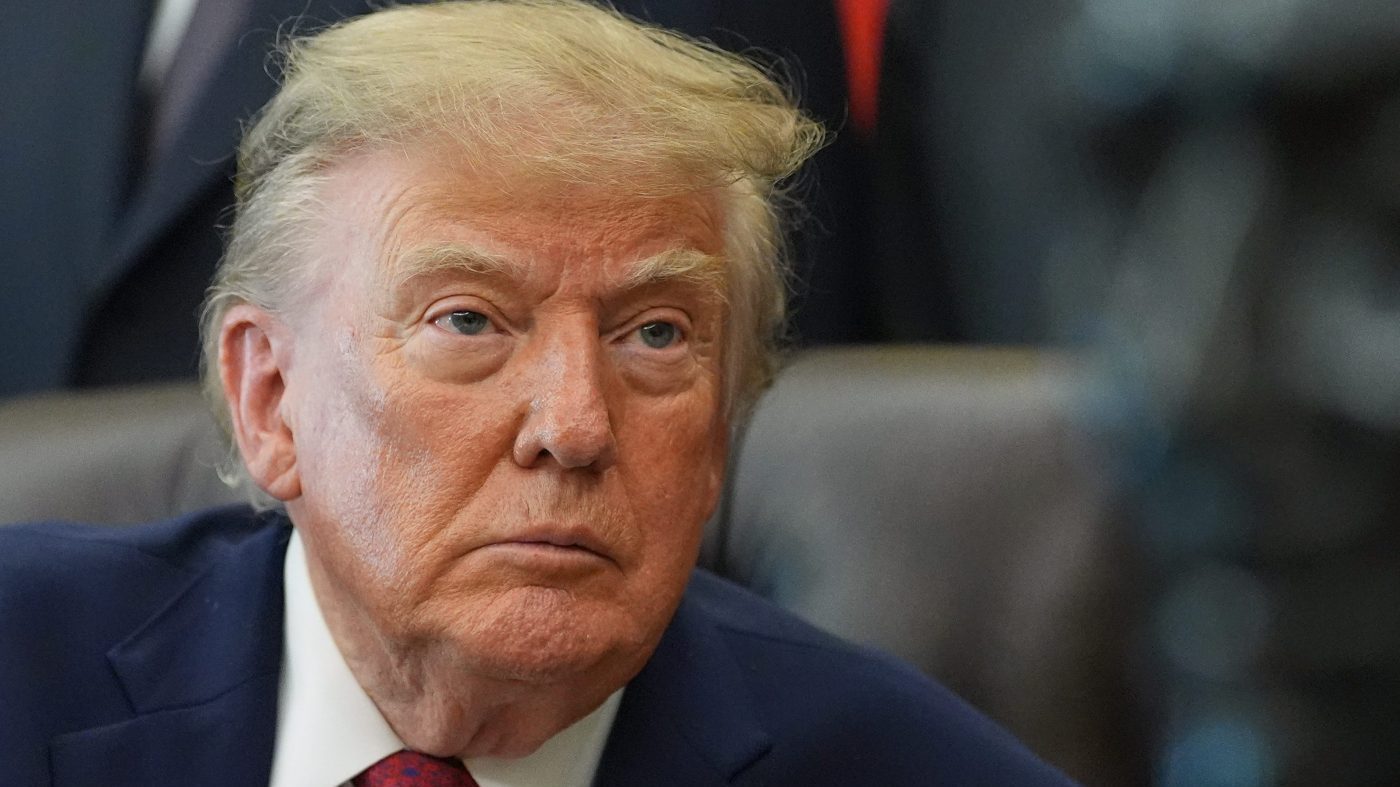
President Trump, a central figure in these divisions, has consistently wielded the term "un-American" against his opponents. He accused critics of hating the country following the deportation of Kilmar Abrego Garcia, and has frequently framed legal challenges as attacks on national sovereignty. His supporters view this as a defense of traditional values, while detractors see it as a weaponization of patriotism.
The charge of being "un-American" now flows freely from all sides. Critics of Trump have applied the label to his administration's cuts to government efficiency, perceived cronyism, and disregard for due process. The recent confrontation between Defense Secretary Pete Hegseth and protesters at a National Guard event underscores how such accusations play out in real time.
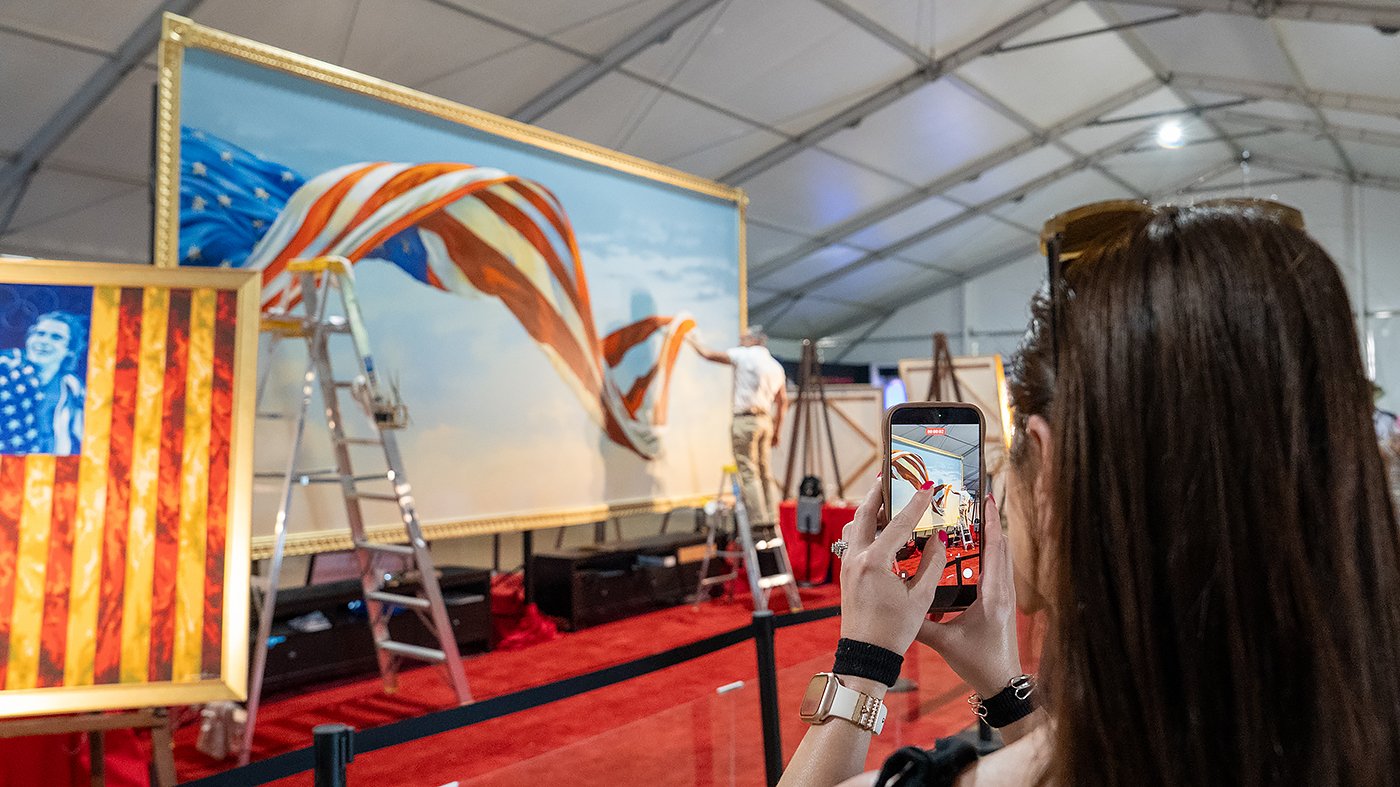
The upcoming Fourth of July celebrations, marking the nation's semiquincentennial, have become a flashpoint. Trump announced a "Tribute to America" rally after several musical acts withdrew from Washington events, fearing association with the president. The event will feature military bands and the president's personal playlist, bypassing artists he described as "those people that put you to sleep and constantly complain!"
Critics argue that this fusion of Trump with the nation itself is alarming. The celebration's inclusion of UFC bouts on the White House lawn on Trump's birthday has been labeled as self-glorifying. Meanwhile, a recent poll showing only 45% of Democrats feel pride in American citizenship highlights the partisan nature of national identity.
At the heart of the conflict lies a fundamental disagreement over patriotism. For Trump and his base, it means assertive nationalism and defense of American exceptionalism, symbolized by Lee Greenwood's "God Bless the U.S.A." For the left, dissent is a patriotic act, rooted in the tradition of Frederick Douglass and Martin Luther King Jr.
New York City Mayor Zohran Mamdani, a democratic socialist, will deliver an Independence Day speech emphasizing this latter view. In an interview with The New York Times, Mamdani argued, "Patriotism is not pretending our country has no flaws. It is loving our country enough to fight for fulfillment of its ideals." He will speak alongside new citizens, reinforcing the theme of inclusion.
The Supreme Court's birthright citizenship ruling, while a legal decision, has become a proxy for these deeper divisions. As the nation marks its 250th year, the question of who belongs and what loyalty means remains unresolved, with both sides accusing the other of betraying American ideals.