From scorching heat waves in the Southwest to devastating floods in Michigan, extreme weather is straining municipal budgets across the United States. With climate disasters now causing an estimated $150 billion in annual damages, a pressing question emerges: who foots the bill?
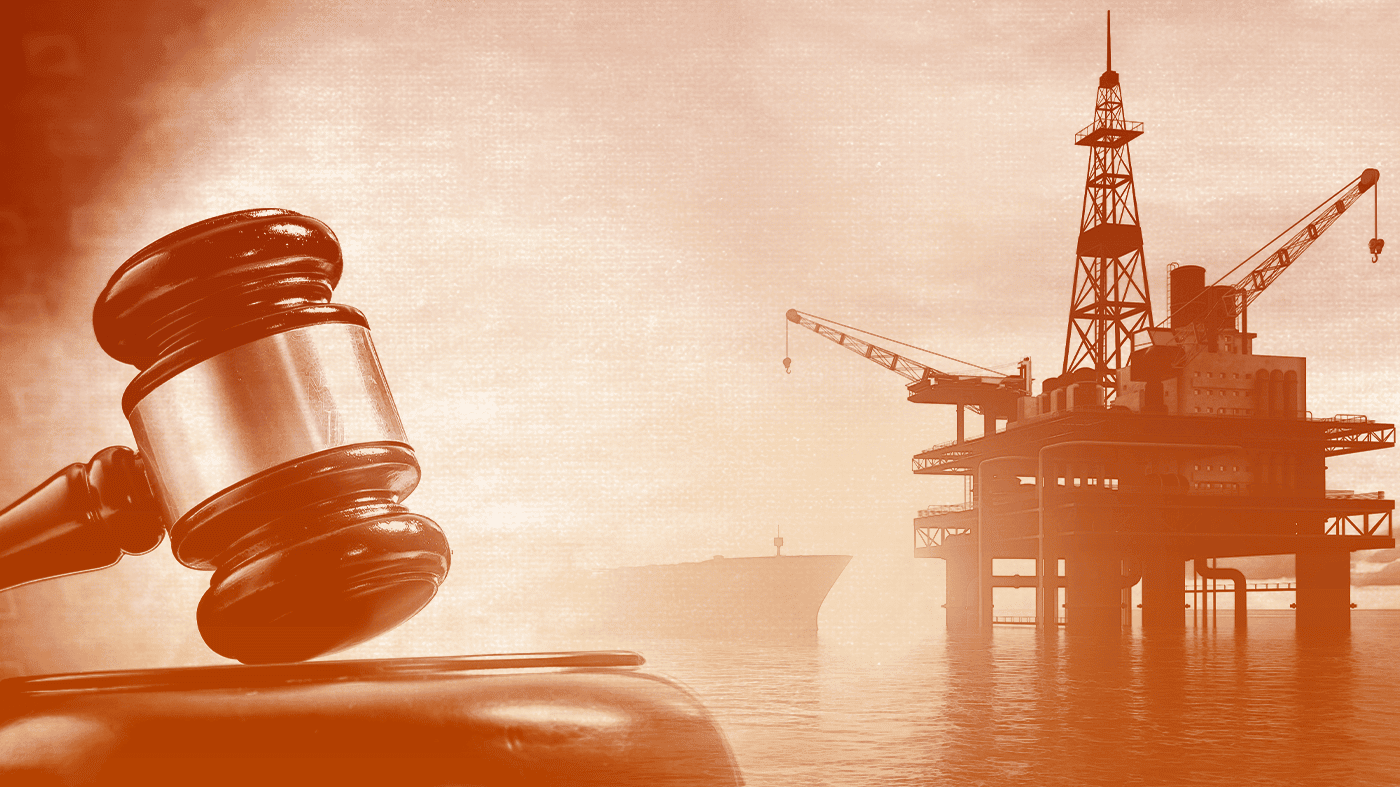
A growing coalition of states and local governments argues that the fossil fuel industry should bear at least part of the cost. They point to decades of internal documents showing that oil and gas executives knew about the risks of climate change but continued to promote their products. More than 150 lawsuits have been filed seeking compensation for wildfires, droughts, coastal erosion, and other events scientists say were worsened by greenhouse gas emissions.
For years, industry attorneys have fought to keep these cases out of state courts, filing procedural motions to avoid a full airing of the evidence. But recent decisions in Hawaii and Oregon have opened the door for trials, marking a potential turning point in the fight for climate accountability.
Key Court Rulings
In Hawaii, the state Supreme Court ruled that Honolulu’s lawsuit against major oil companies can proceed, rejecting arguments that federal law preempts state claims. The Oregon Supreme Court issued a similar decision, allowing Multnomah County’s case to move forward. These rulings could set precedents for other jurisdictions, though the U.S. Supreme Court may weigh in on the issue later this year.
The legal landscape remains uncertain. The high court has previously limited corporate liability in some environmental cases, as seen in a recent decision shielding Bayer from state warning claims. However, climate cases involve unique questions about causation and damages that courts have yet to fully address.
Financial Stakes
Local governments are seeking billions of dollars to cover the costs of infrastructure repairs, emergency response, and adaptation measures. The damages from extreme weather over the past decade alone total roughly $1.5 trillion, according to estimates cited by plaintiffs. If successful, these lawsuits could force the industry to pay a significant portion of that burden.
Industry representatives argue that climate change is a global issue that cannot be litigated piecemeal in state courts. They contend that policy solutions should come from Congress and international agreements, not judges and juries. But with federal climate legislation stalled, advocates see the courts as the only viable path to accountability.
The outcome of these cases could reshape the financial landscape for energy companies and set a powerful precedent for holding polluters responsible. As one legal observer noted, the winds are shifting—and not just the meteorological kind.