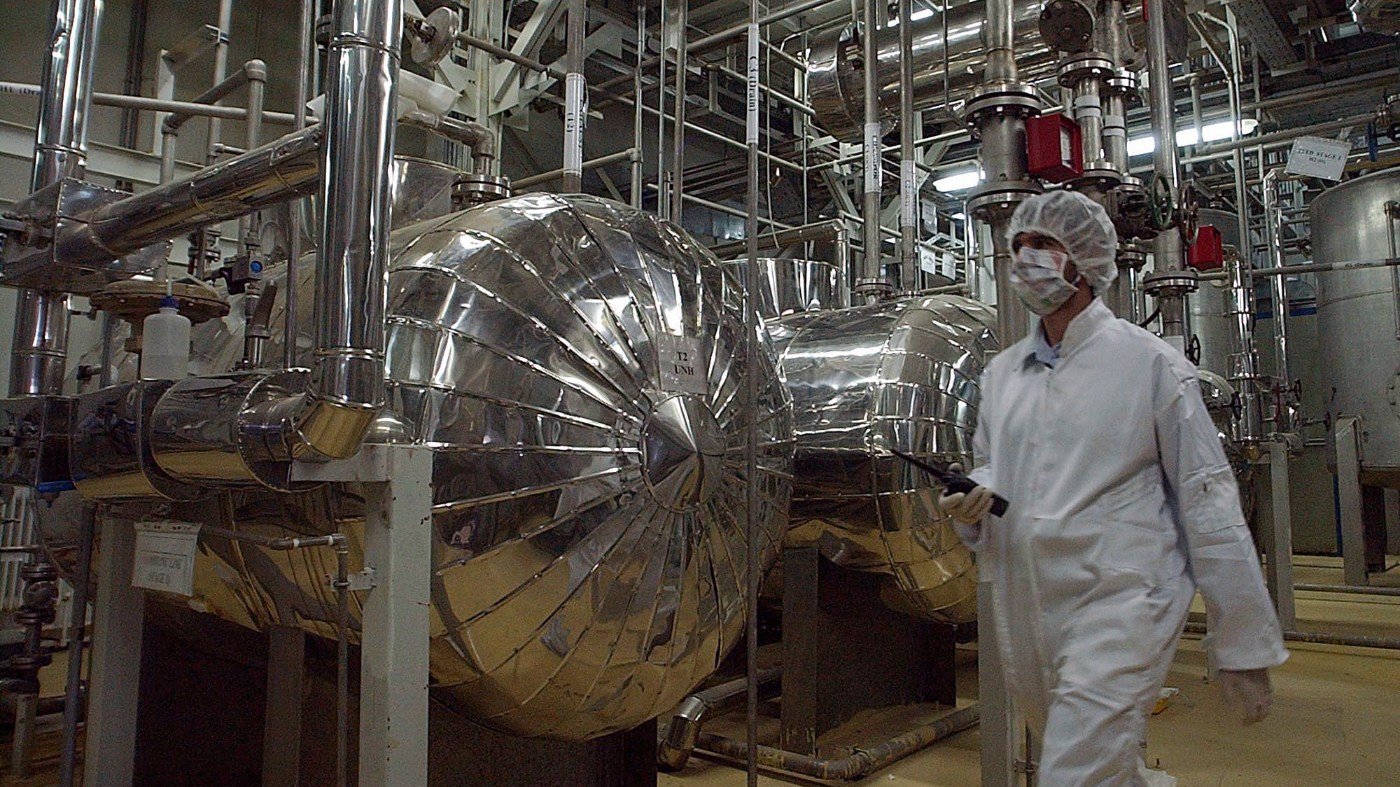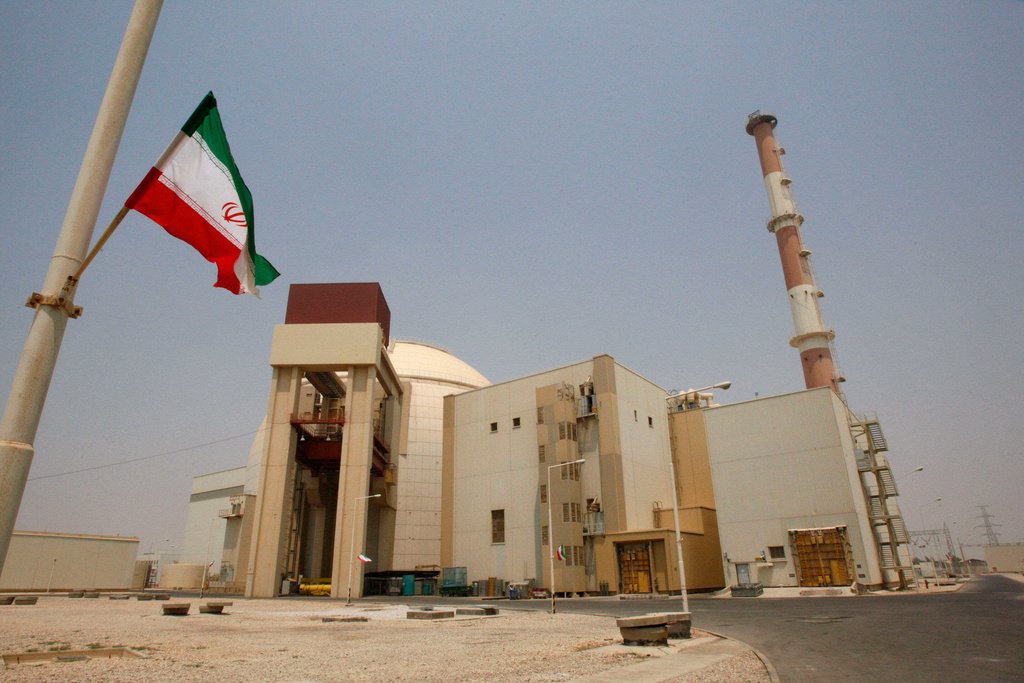
As the standoff with Iran careens between military strikes and diplomatic overtures, the core objective remains unchanged: ensuring Tehran cannot build a nuclear weapon. While much attention has focused on Iran's enriched uranium stockpile, a far larger and more dangerous source of fissile material has been largely overlooked—the plutonium accumulating at the Bushehr nuclear power plant.
For over 15 years, Bushehr has been operational, and like all reactors, it produces plutonium as a byproduct, embedded within the spent fuel rods. Experts argue that while extracting plutonium is technically challenging, Iran may not have the luxury of choosing the easiest path. With a stockpile of approximately 210 tons of spent fuel containing more than two tons of plutonium, Tehran could theoretically build over 200 first-generation nuclear weapons—compared to the roughly 10 it could make from its enriched uranium.
This plutonium presents a uniquely difficult problem. It cannot be destroyed by airstrikes without risking catastrophic radioactive fallout across the region. Special forces cannot simply retrieve it, as the fuel is highly radioactive and requires careful handling. Yet, ignoring it is not an option. U.S. weapons laboratories have warned that even reactor-grade plutonium can be used by proliferators with intermediate designs to produce weapons with yields well above a kiloton.
The question is whether Iran could actually extract the plutonium. The process would involve removing fuel rods from the storage pond, cutting them open, and chemically separating plutonium—a technique known as reprocessing. Iran has demonstrated small-scale reprocessing in a hot cell, and studies suggest that a makeshift facility is well within its capabilities, potentially hidden from inspectors. North Korea, after all, followed a similar path.
International inspectors could detect such activities, but only with near-continuous surveillance. Currently, the International Atomic Energy Agency (IAEA) made just a single three-day visit to Bushehr in June. With such limited monitoring, Iran could divert enough plutonium for several bombs without detection.
The solution, experts say, is to implement near real-time IAEA surveillance using cameras and sensors that transmit data continuously. Over 1,000 nuclear facilities worldwide already employ such systems. However, the Obama administration did not demand this in the 2015 nuclear deal, and Iran has since refused IAEA requests for enhanced monitoring. In any future agreement, the U.S. should insist on this as a fundamental condition, ideally as an early confidence-building measure.
Additionally, any final accord should require the removal of spent fuel from Bushehr once it is safe to transport. Russia, which originally supplied the fuel, offered to take it back years ago, and Kazakhstan might also be willing. The U.S. and Gulf states should fund this effort. Iran's resistance to these reasonable steps would only underscore the need for them.
As weapons shortages curb military options and diplomatic channels remain open, the precedent set by any agreement with Iran will be closely watched by neighbors, including those with nuclear ambitions. Allowing Iran to retain a plutonium pathway would signal that such capabilities are acceptable, undermining global nonproliferation efforts. The stakes are too high for half-measures.