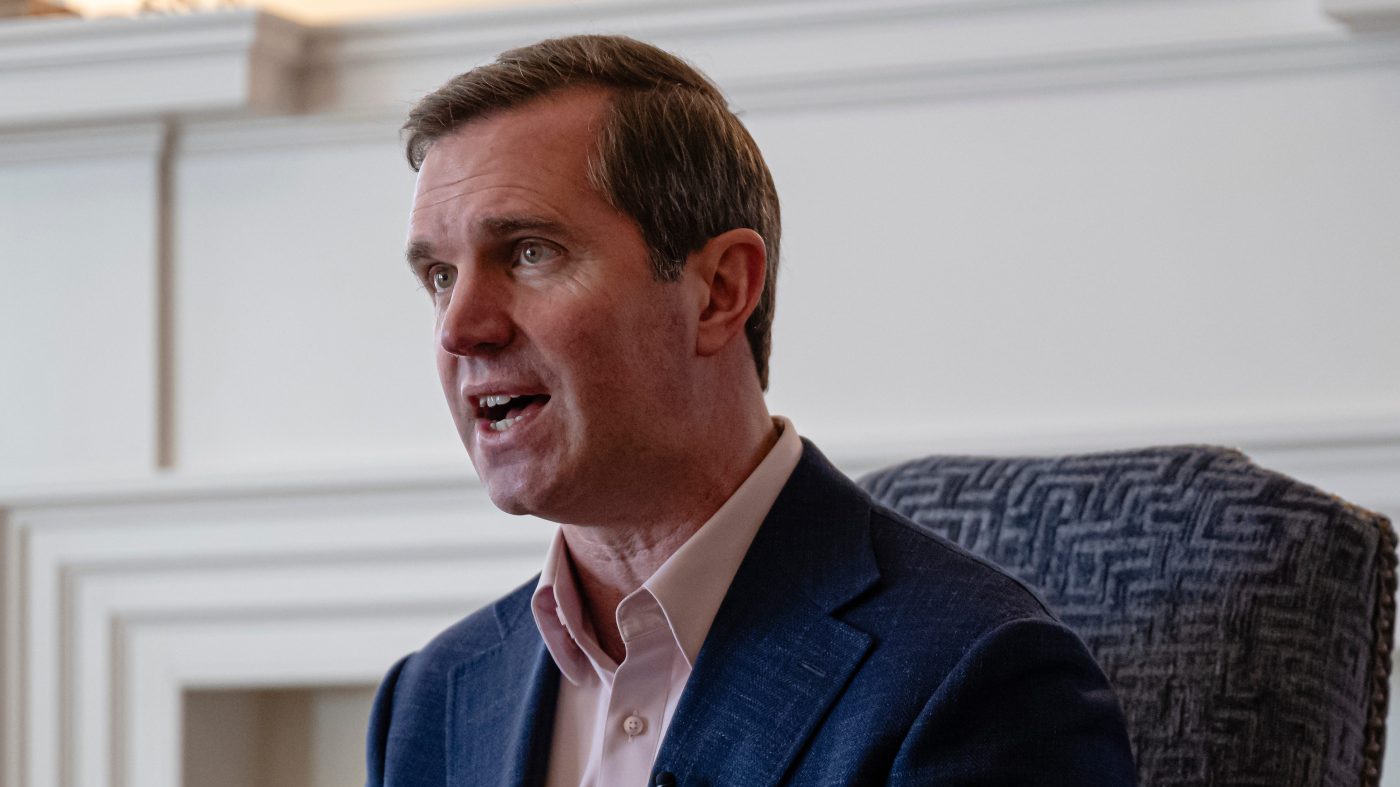
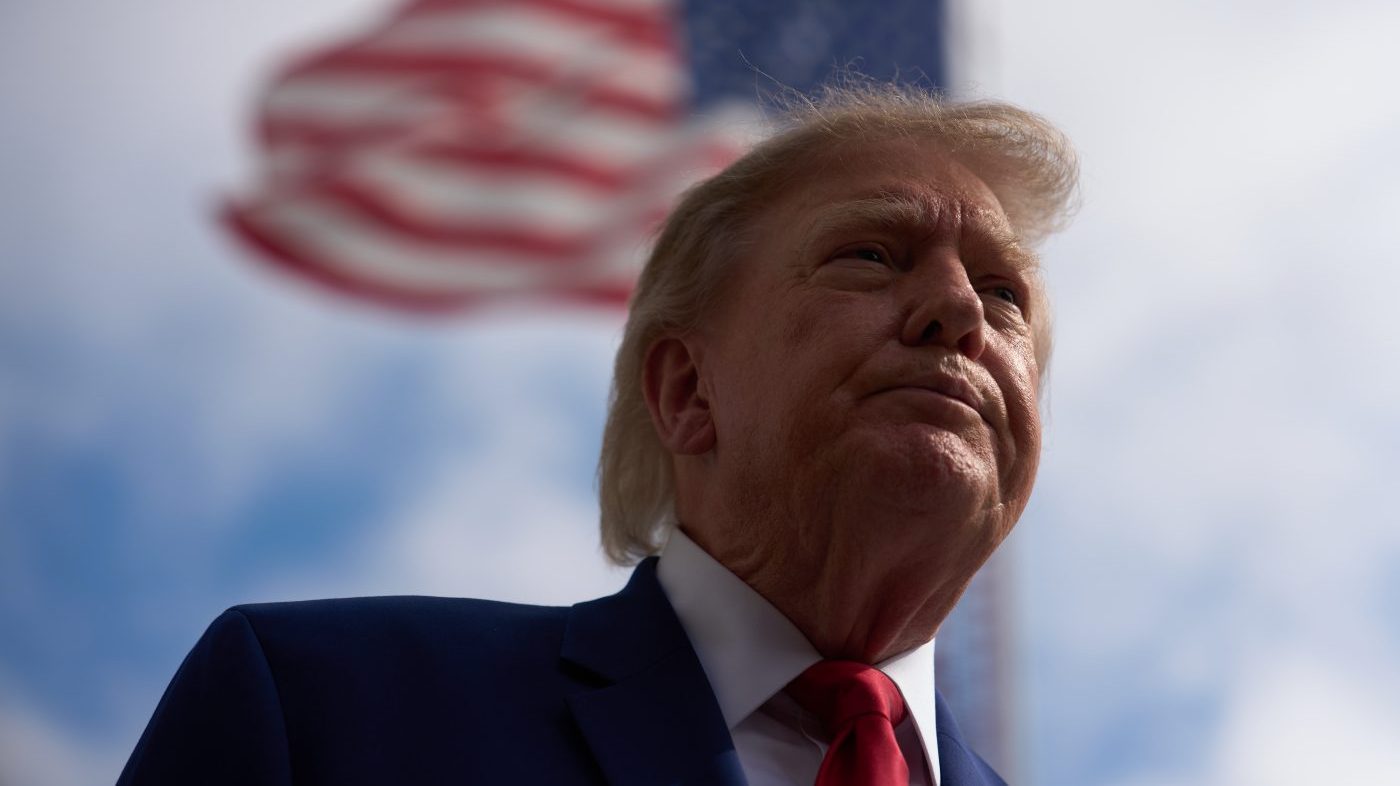
While most Democrats considering a 2028 presidential run focus their fire on former President Donald Trump, Kentucky Governor Andy Beshear is charting a different course. He has identified Vice President JD Vance as his principal political adversary, a strategic move that could carve out a distinct lane for the centrist Democrat in a crowded primary field.
A Calculated Strategy
Beshear's approach crystallized during a Democratic Party event in Butler County, Ohio—Vance's home county—where the governor delivered his most pointed remarks to date. "There is no one who will work harder—no matter what I am doing that year—to beat JD Vance in 2028," Beshear declared. He labeled the Vice President "the most arrogant politician I have ever seen," adding, "given his current boss, that’s saying something."
This was not an isolated incident. In recent weeks, Beshear has consistently attacked Vance's character and judgment. On the "Raging Moderates" podcast, he called Vance "the most conceited elected official that I’ve ever heard speak," warning that such an attitude leads to dangerous policy decisions. He expanded on this critique in an interview with The Bulwark, accusing Vance of "fraying our alliances with Europe" and "supporting far-right groups."
Roots of a Regional Rivalry
The animosity stems from a deeper contest over who authentically represents working-class Appalachian voters. Vance built his political identity on this foundation with his memoir "Hillbilly Elegy." Beshear, however, seeks to dismantle that image, portraying the Vice President as condescending and out of touch with the very communities he claims to champion.
Their feud turned intensely personal during the 2024 election cycle over the issue of abortion. Beshear, a supporter of abortion rights, criticized Vance for describing a pregnancy resulting from rape as merely "inconvenient." "Make him go through this," Beshear said during an appearance on MSNBC's "Morning Joe." "It shows they don’t have any empathy at all. And a president and a vice president has to have empathy." Vance responded on social media, calling Beshear "a disgusting person."
Even trivial matters have fueled the conflict. The two briefly sparred over the merits of Diet Mountain Dew, with Beshear later issuing an apology—directed at the soda company, not the Vice President.
The 2028 Political Calculus
Beshear's focus on Vance is politically astute. As the presumptive Republican frontrunner for 2028, Vance represents the future of the GOP. By attacking him directly, Beshear differentiates himself from Democratic rivals who remain fixated on Trump. This strategy allows him to critique current administration policies—such as potential strained national security apparatus during a DHS shutdown—through the lens of Vance's influence and judgment.
The governor's allies expect these attacks to continue. At the Ohio gala, Beshear framed his opposition in stark, cultural terms, condemning Vance's bestselling book. "His book 'Hillbilly Elegy' was just hillbilly hate," Beshear told the crowd. "It was poverty tourism. Because he ain’t from Appalachia." He accused Vance of blaming struggling communities for addiction instead of pharmaceutical companies that "flooded our communities with pills."
A Shifting GOP Landscape
While Vance remains the leading contender for the Republican nomination, his position is not unchallenged. Following recent international conflicts, Secretary of State Marco Rubio has gained traction with some GOP donors. Former President Trump has reportedly been soliciting opinions on both men, indicating a dynamic internal party landscape. This uncertainty makes Beshear's preemptive strikes against Vance a gamble on the future shape of the opposition.
Beshear's offensive coincides with a period where Democrats are rewriting their campaign playbook, seeking new ways to connect with voters. His deeply personal, regionally framed critique of a likely general election opponent represents one experiment in that broader shift. Whether this approach resonates beyond Appalachian political theater remains a central question for his national ambitions.