Imagine a scenario where the United States relies on China for life-saving medicines. That is not a distant hypothetical—it is the direction we are heading, and our own policies are accelerating the trend, warns former Rep. Michael Burgess, a Texas Republican and physician who chaired the House Health Subcommittee.
Beijing is executing a deliberate, state-directed strategy to seize control of the pharmaceutical supply chain, mirroring its playbook in rare earth minerals and semiconductors. The stakes are higher now: American lives hang in the balance.

How China Gains Leverage
China's biotech firms conduct clinical trials three to five times faster than the U.S. gold standard—but at the cost of weaker safeguards, less transparency, and limited independent oversight. Western companies and investors, lured by lower costs and faster timelines, are shifting early-stage research (Phase I and II trials) to China. This transfers valuable intellectual property and scientific know-how to a strategic adversary.
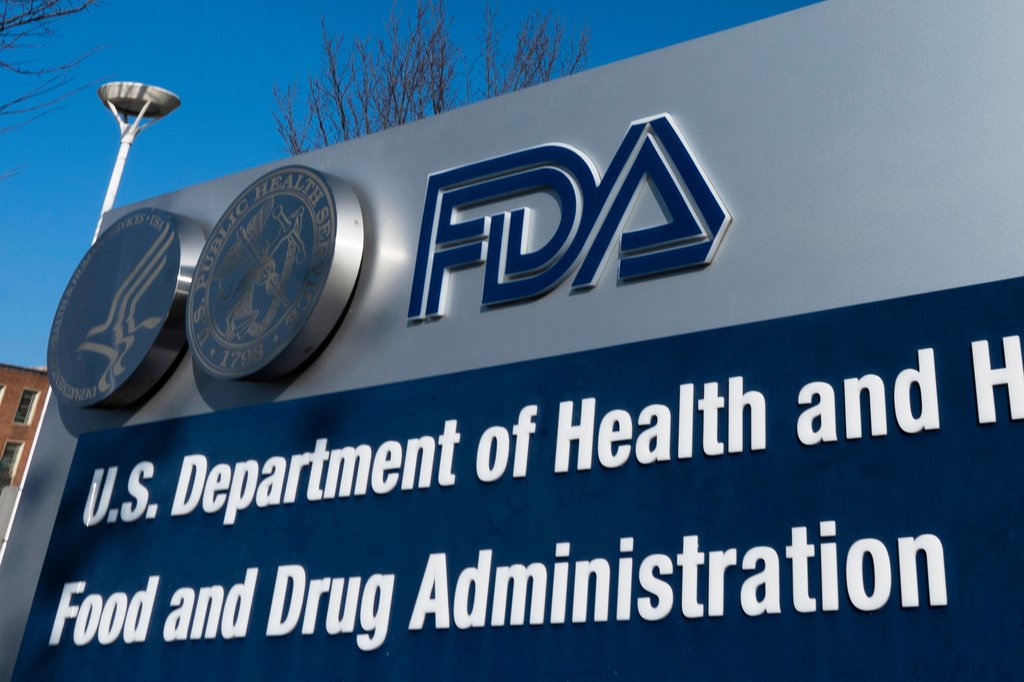
The FDA inadvertently encourages this by allowing Chinese clinical data to support U.S. drug approvals. This creates a perverse incentive: conduct cheap, lower-standard trials abroad, then fast-track approval at home. As Burgess notes, the system rewards offshoring while undermining the ethical and scientific rigor that built American biomedical leadership.
China's goal is not mere participation—it is domination. Beijing aims to build world-class pharmaceutical companies funded by American dollars and built on American innovation. Once mature, China will control the supply chain for medicines U.S. patients depend on, turning access into a geopolitical bargaining chip. This dynamic is compounded by broader trends, such as Putin's war in Ukraine deepening Russia's economic subordination to China, which further concentrates power in Beijing.
Three Urgent Actions
Burgess outlines three steps to reverse this trajectory. First, Congress and the FDA must scrutinize how policies incentivize offshoring clinical research. Enhanced transparency and rigorous enforcement of ethical standards for foreign data are essential.
Second, the Treasury Department and Congress should impose targeted measures to block transfers of sensitive biomedical knowledge to nations of concern—refining outbound investment rules and increasing scrutiny of critical technology partnerships. As with Huawei and TikTok, decisive action is needed now. The risk extends beyond pharmaceuticals; as Anthropic warns AI is slipping beyond human control, regulatory gaps in biotech could compound national security threats.
Third, the U.S. must reinvest in domestic infrastructure—expanding clinical trial capacity and streamlining regulatory pathways without weakening protections. This is the only way to preserve the biomedical ecosystem that has long been the world's gold standard.
Burgess, who served in Congress from 2003 to 2025, emphasizes that the window for action is narrow. If we fail to address the incentives driving research offshore, we risk becoming dependent on a supply chain we do not control—and products we cannot afford to live without. The time to act is now, before China's quiet takeover becomes irreversible.