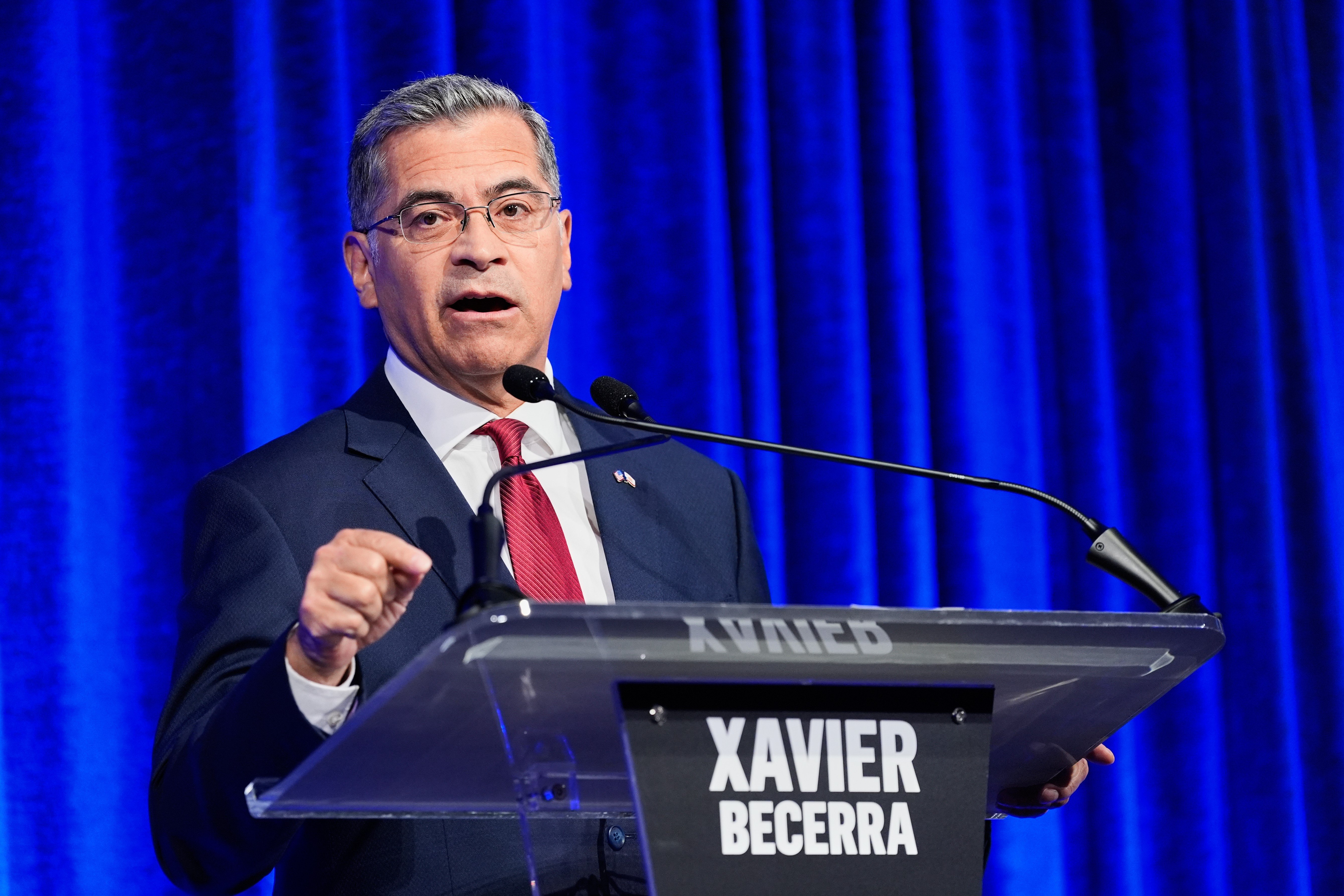
California gubernatorial frontrunner Xavier Becerra is facing scrutiny over his approach to press freedom after a revealing exchange with a Los Angeles TV reporter. During a May 12 interview with KTLA's Annie Rose Ramos, the former Health and Human Services Secretary asked for assurances that the segment would be a profile piece, not a "gotcha" interview. Ramos replied that the questions would be fair, but Becerra pressed for boundaries, saying a profile should include tough questions but not exclusively those.
This incident has ignited debate about whether Becerra, who leads the Democratic primary to replace Gavin Newsom, truly understands the role of a free press. Critics argue that his attempt to limit questioning betrays a discomfort with accountability, especially for a candidate poised to lead a state with a proud tradition of journalistic independence.
The exchange is not an isolated misstep. Becerra, a former U.S. House member and California attorney general, has extensive political experience. Yet his on-camera attempt to manage the interview suggests a lingering tension with the press, one that many politicians share. Barack Obama and Howard Dean have both complained about "gotcha" journalism in the past, but Becerra's remarks come at a critical moment when state and local leaders are being called upon to defend press freedom against federal attacks.
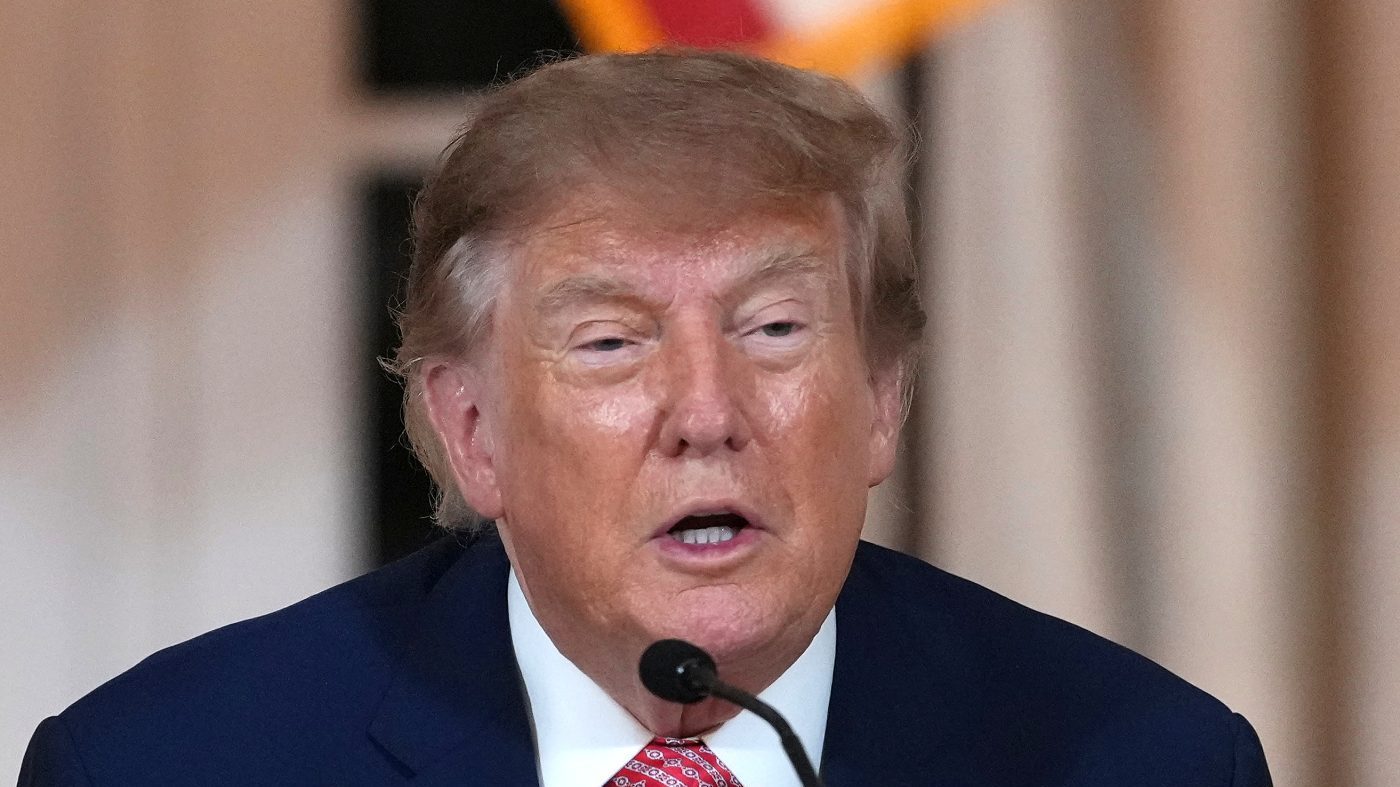
As President Trump continues his campaign against the media, governors and mayors are increasingly seen as key defenders of the Fourth Estate. They can support journalism through creative policies such as tax credits for hiring local reporters, incentives for small businesses to advertise with local outlets, and state-funded journalism fellowships. California already participates in some of these programs, and Becerra has previously praised journalists for countering disinformation and holding power accountable.
However, his KTLA gaffe has fueled doubts about whether he would embrace such initiatives wholeheartedly. The Rebuild Local News Coalition advocates for these measures, which are designed to bolster news gathering without compromising editorial independence. Becerra's campaign has not yet detailed a press freedom platform, leaving voters to wonder if his actions match his words.
If elected, Becerra would become a prominent national Democrat, and his stance on press freedom would carry weight beyond California. The New York Times editorial board recently noted that journalists must ask questions leaders do not want to answer and publish information they want hidden. Becerra's test will be whether he can accept that discomfort as a feature of democracy, not a bug.
For now, the incident serves as a reminder that even seasoned politicians can struggle with the adversarial nature of a free press. As California voters head to the polls on June 2, they will decide whether Becerra's vision for the state includes a robust commitment to the journalism that holds power in check.