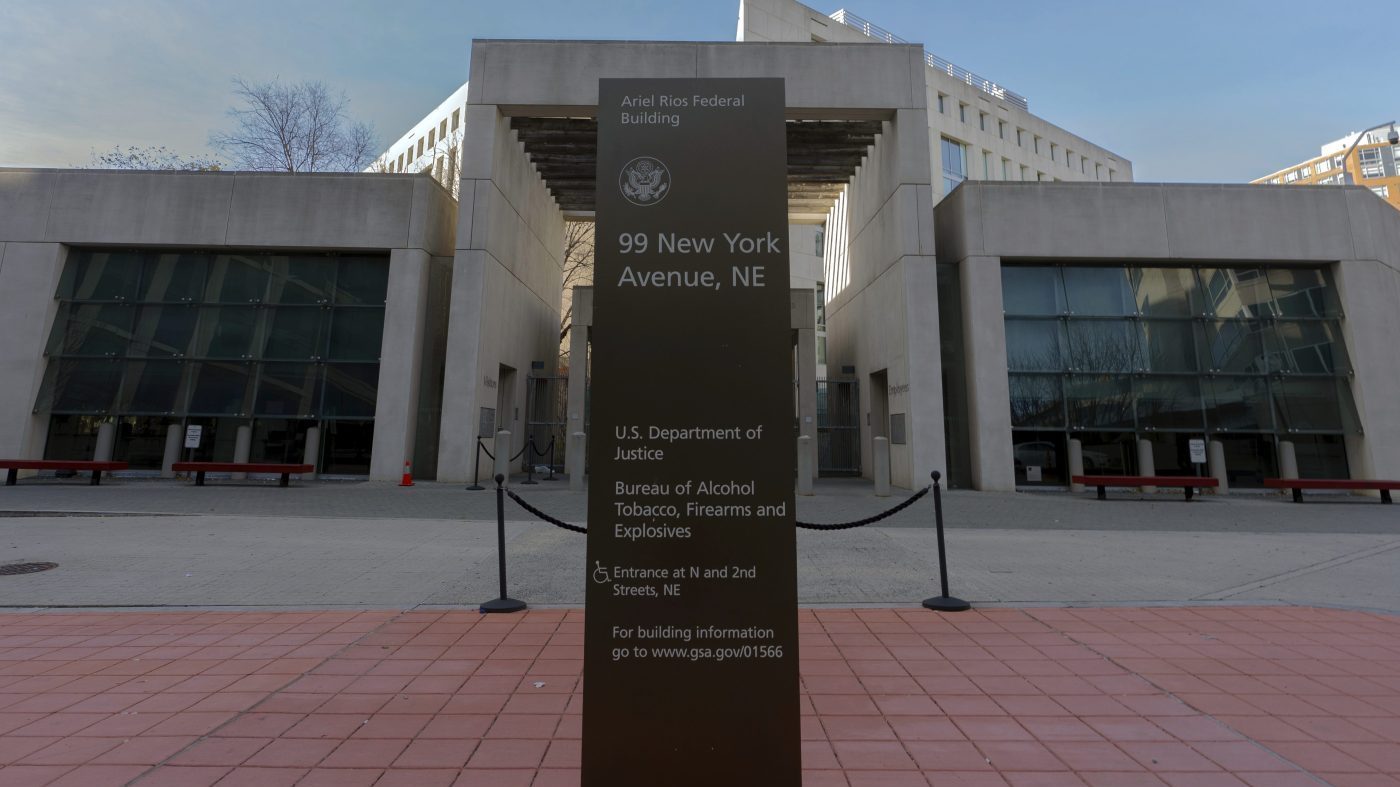
The Bureau of Alcohol, Tobacco, Firearms and Explosives (ATF) has launched an investigation into a significant cybersecurity breach, a development that comes as the Russia-linked Qilin ransomware group has claimed responsibility for the attack. The agency disclosed the probe on Wednesday, noting that senior Department of Justice (DOJ) officials have classified the event as a “major incident” under federal guidelines.
According to an official statement, the breach affected a standalone system that operates independently from the ATF’s main network. The agency emphasized that its enterprise network, the eForms system, and other critical infrastructure were not compromised. “Upon discovery of the incident, ATF immediately terminated connections to the affected environment and initiated incident-response and forensic activities,” the statement read. “ATF is coordinating closely with the Department of Justice to investigate.”

While the ATF did not confirm or mention Qilin by name, nor did it specify when the breach occurred or what data might have been exfiltrated, the cybercriminal group posted the ATF on its dark web leak site early Wednesday, along with five other victims in the manufacturing and industrial sectors. CyberNews reported that if Qilin’s claim is legitimate, the consequences of any data theft from the ATF “could be enormous,” given the agency’s role in regulating firearms and explosives.
The disclosure comes amid a broader federal crackdown on state-sponsored cyber threats. On the same day, the DOJ announced the seizure of two hacking platforms—QScan and QTRouter—that were operated by a state-run group linked to the Chinese firm Nanjing Xinjiuwei Network Technology Co. These platforms had targeted multiple federal entities, including the DOJ, NASA, the Federal Reserve, the Department of Energy, the U.S. Senate, and the Department of Health and Human Services, according to a court affidavit unsealed in the Southern District of California.
Attorney General Todd Blanche issued a stern warning to malicious actors, stating, “State-sponsored malicious hackers preying on America’s critical infrastructure will be stopped and prosecuted.” He added, “We are here to ensure security for the American people and will use every tool we have to keep that promise.”
The ATF incident underscores the persistent threat that ransomware gangs pose to federal agencies. While the agency’s quick response limited the damage, experts note that even isolated breaches can yield sensitive information. The investigation is ongoing, and further details may emerge as forensic teams analyze the affected system.
This development also highlights the intersection of cybersecurity and national security, a topic that has drawn increasing attention from lawmakers. Recent legislative efforts, such as a proposed $300 million annual boost for water cybersecurity, reflect growing concerns about vulnerabilities in critical infrastructure.
As the ATF works with the DOJ to assess the full scope of the breach, the incident serves as a reminder that federal agencies remain prime targets for both criminal groups and state-sponsored actors. The agency has not yet indicated whether any data was stolen or whether the attack will disrupt its operations.