Artists Rally Against Administration's Cultural Influence
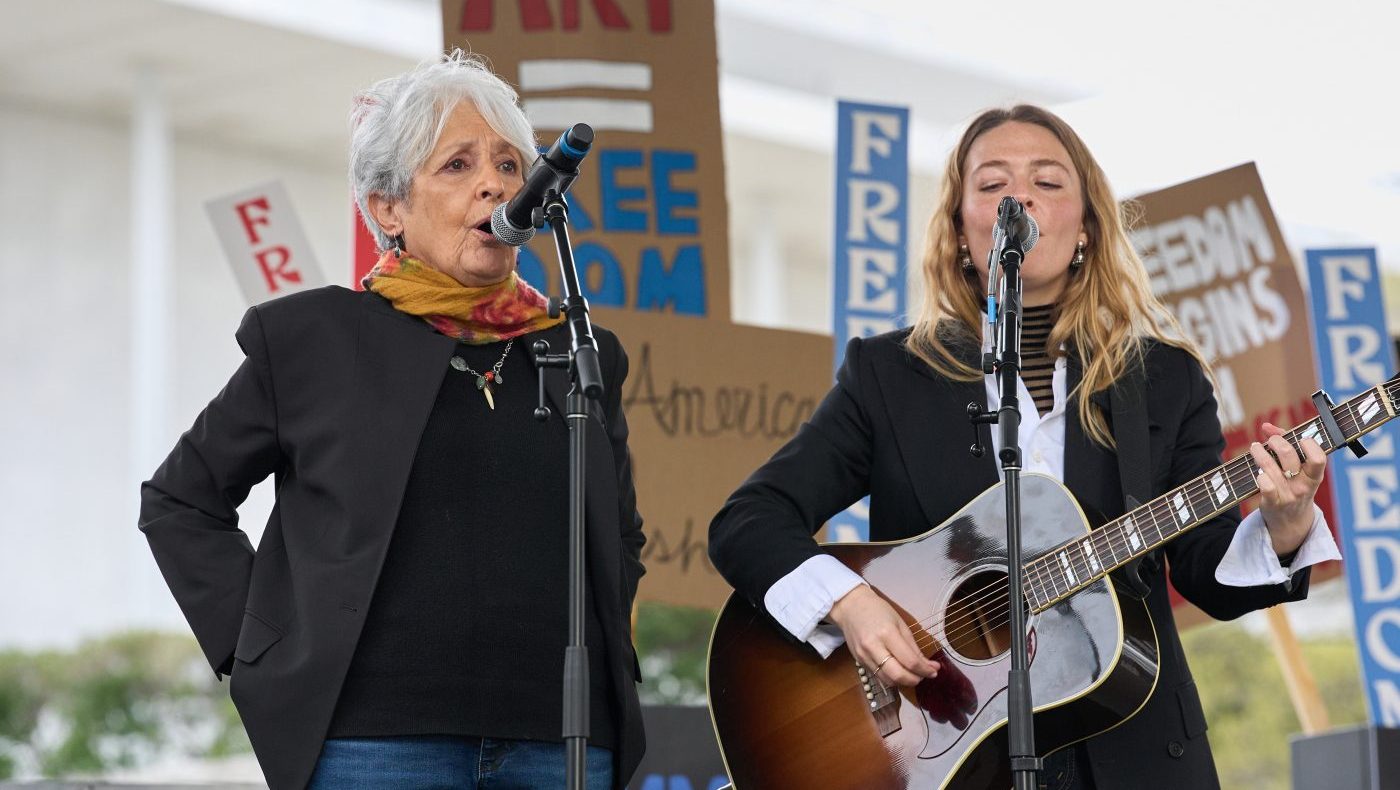
Actors, musicians, and writers gathered outside the John F. Kennedy Center for the Performing Arts on Friday in a coordinated demonstration against what organizers describe as systematic threats to free speech under President Trump's second term. The event, titled "Artists United for Our Freedoms," featured prominent figures including actor Jane Fonda and folk singer Joan Baez, who framed the protest as a defense of democratic principles.
Symbolic Location for First Amendment Defense
Organizers selected the Kennedy Center deliberately, citing its transformation under the current administration. "This institution has become emblematic of what's occurring nationwide," Fonda stated from a small stage. She represented the Committee for the First Amendment, a group originally founded by her father that she revived last October following the temporary suspension of Jimmy Kimmel's late-night show amid government pressure.
The protest comes amid substantial changes to the Kennedy Center's governance and operations since President Trump assumed office. The administration has overhauled the center's board, installed the president as its chair, added his name to the building's exterior, and announced plans to close the facility for two years of renovations. These moves have triggered a wave of performance cancellations by artists and a sharp decline in ticket revenue.
Institutional Fallout and Employee Impact
The cultural institution's operational challenges have escalated to workforce reductions. Executive Director Matt Floca informed staff via internal email this week that layoffs would commence ahead of the scheduled closure. DC News Now reported at least forty employees face termination. "The center has been effectively silenced after artists refused to bow to ideological demands," Fonda remarked, acknowledging affected workers in attendance.
Protest signs conveyed direct messages: "Performing arts are for everyone! Not Trump branding" and "we are the Kennedy Center." The stage backdrop featured hand-painted declarations reading "Freedom begins with expression" and "Art = Freedom." Former Kennedy Center employee Diana Ezerins, who worked there for eighteen years, expressed solidarity with colleagues and lamented the loss of an institution that once represented "arts from every corner of our country."
Artistic Voices and Personal Testimonies
Indie pop singer Maggie Rogers shared her childhood connection to the venue, stating, "I don't think it's the role of any administration to tell someone how to feel." She described creating music as a response to fear. Joan Baez revealed she considered returning her Kennedy Center honor but decided against it, explaining, "It would mean we've given into a bully and a tyrant who is doing his best to strip us of our freedoms." Baez and Rogers performed a modified protest song together, with lyrics addressing "pagan bigotry" and "censorship."
Country folk singer Kristy Lee described withdrawing from a Kennedy Center performance, stating it would have cost her "integrity," which she valued above any paycheck. She performed her song "Free Love," with the crowd responding "love is free" at designated intervals. Other participants included actors Sam Waterston and Billy Porter, former CNN correspondent Jim Acosta, and author Ann Patchett.
Broader Political Context and Future Actions
The demonstration occurred one day before nationwide "No Kings" protests, with organizers distributing flyers for a march across Memorial Bridge to the National Mall. This protest aligns with other political actions challenging administration policies, including recent bipartisan demands for sanctions against Bosnian Serb leader Milorad Dodik and the president's rejection of a Senate homeland security funding bill over border enforcement provisions.
Fonda concluded the event by encouraging attendees and livestream viewers to join Saturday's protests. The demonstration represents growing tension between the artistic community and an administration that has increasingly deployed direct communication tools to bypass traditional media channels, while simultaneously exerting influence over cultural institutions previously considered nonpartisan.