For hunters and anglers, the vast, unbroken landscapes of America's public lands inspire a deep sense of gratitude. From the rolling rangelands of Eastern Montana, where antelope and mule deer roam, to the Gila Backcountry in New Mexico, where Gila Trout thrive in high-mountain creeks, these lands are the lifeblood of those who cherish the thrill of the hunt or the quiet of a fishing stream. But that lifeblood is thinning, critics argue, as political leaders prioritize private interests over the public's long-term inheritance.
On June 5, a lease sale in the Arctic National Wildlife Refuge opened the coastal plain—one of the wildest remaining areas in North America—to oil and gas drilling. The decision has drawn sharp opposition from outdoors enthusiasts and lawmakers alike. Representative Gabe Vasquez (D-N.M.) and Ryan "Cal" Callaghan, president of Backcountry Hunters & Anglers, jointly condemned the move, warning it sets a dangerous precedent for public land management.
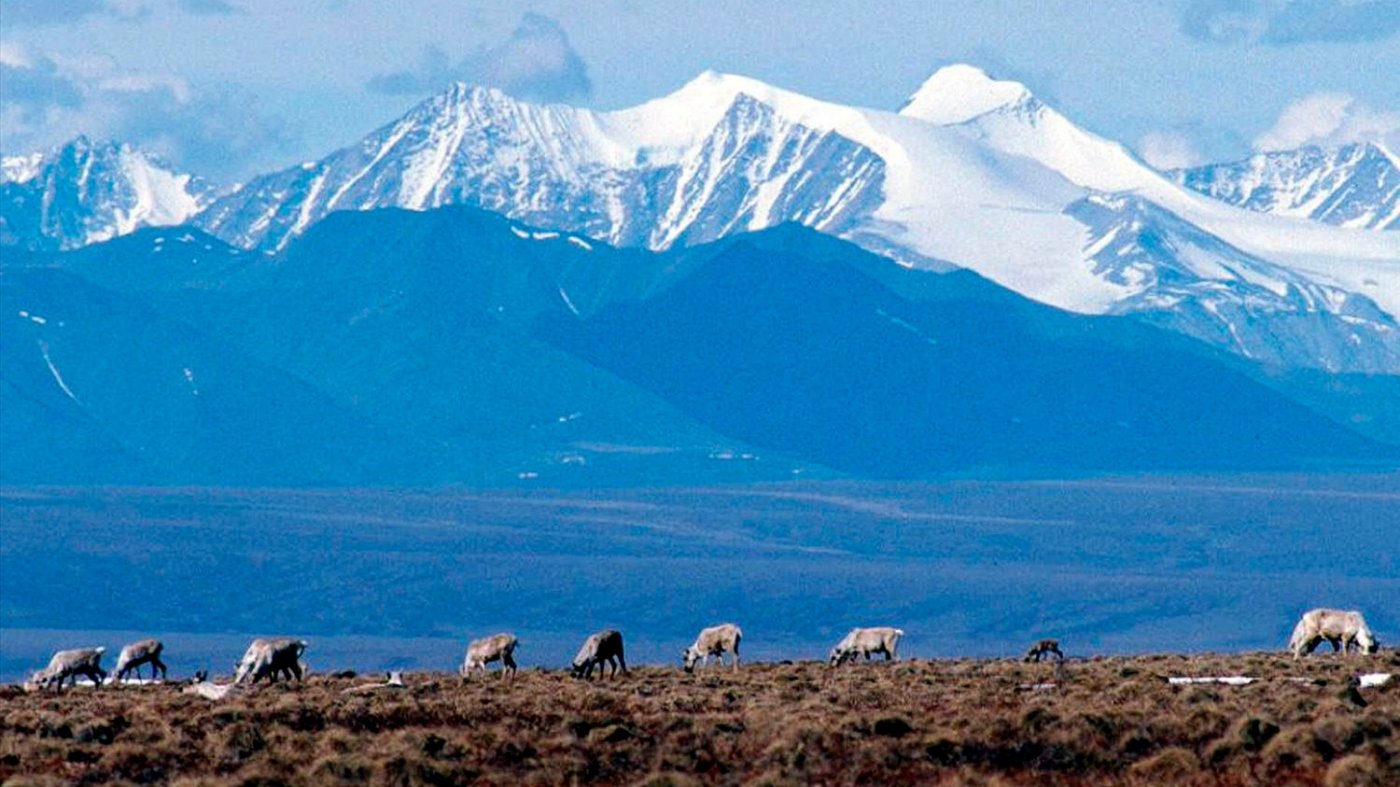
The refuge spans 19.6 million acres, roughly the size of South Carolina, and hosts some of the continent's most extraordinary wildlife: caribou, musk ox, Dall sheep, wolves, grizzly and polar bears, and over 200 species of migratory birds that travel from all 50 states. For those who have ventured into this remote terrain, it is the crown jewel of the American public lands system—a place every backcountry hunter and angler dreams of experiencing firsthand.
"If you've never seen the Arctic Refuge, take the wildest place you've ever explored and inject it with steroids, then remove all roads and trails," Vasquez and Callaghan wrote. The landscape ranges from rugged mountains to expansive tundra, sustaining one of North America's largest caribou herds and serving as a critical rest stop for birds migrating along every North American flyway. They argue that without the coastal plain, duck and goose hunting across the lower 48 would suffer.
The authors stress they are not opposed to all development. Rather, they call for thoughtful decisions about where drilling occurs and what is sacrificed. "Expanded oil and gas development can change how these landscapes function," they note, affecting wildlife patterns, access, and the very experience that draws people to these places. Public lands, they insist, are meant to serve the broader public over the long term—not just deliver short-term returns.
This fight echoes broader tensions in Washington over public land stewardship. Earlier this year, outdoor advocates successfully pushed back against the One Big Beautiful Bill Act, which would have sold millions of acres of public land. The Arctic lease sale, they warn, could weaken protections elsewhere. "What happens in places like the Arctic sets a precedent," the authors write. "If we are not careful, it becomes harder to draw the line elsewhere."
The debate also intersects with growing concerns about national unity and democratic values. As America marks 250 years, polls show young people increasingly skeptical of democracy, while shared national pride appears fragile. The Arctic Refuge dispute underscores how public lands can either unite or divide, depending on how they are managed.
For Vasquez and Callaghan, the stakes are personal. They recently climbed peaks in the Brooks Range and looked north across the coastal plain. "This land is yours and mine," they wrote. "It belongs to our kids, our grandkids." They urge elected officials to steward these lands for the access and opportunities that define America's outdoor heritage, warning that today's decisions will shape whether future generations can experience true wild expanses on their own terms.