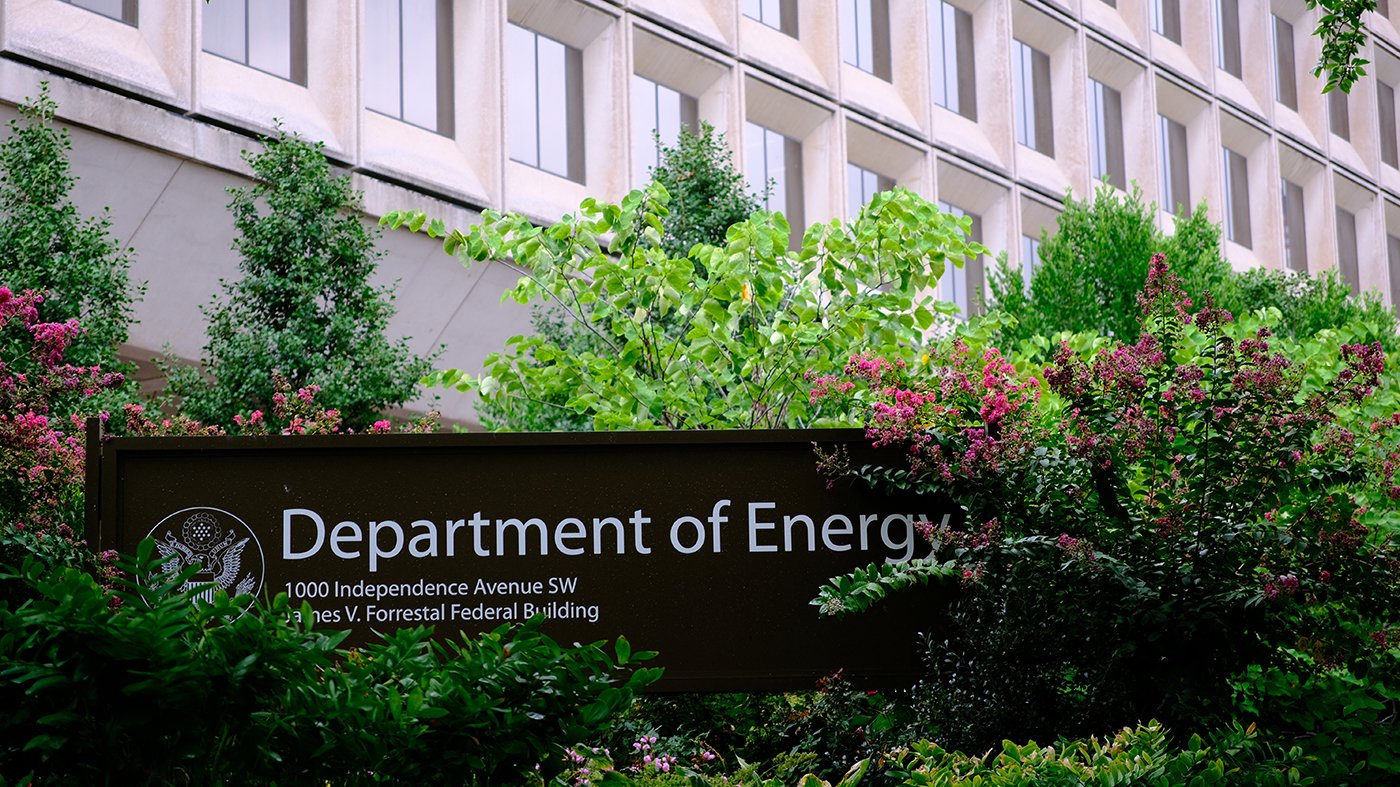
The Energy Department announced Tuesday it has signed memorandums of agreement with five states to begin exploring the construction of nuclear waste storage sites, a major step toward resolving a decades-old bottleneck in the nation's nuclear energy strategy. Utah, Tennessee, Oklahoma, Louisiana, and Idaho were chosen from 28 applications submitted by 26 states, according to Energy Secretary Chris Wright.
Wright described the initiative as a cornerstone of what the administration calls a "nuclear renaissance." The goal is to have initial facilities operational by 2027, a timeline that reflects the urgency the Trump team places on expanding atomic power as a climate-friendly energy source. The selection process was competitive, with states vying to host what the department calls Nuclear Lifecycle Innovation Campuses.
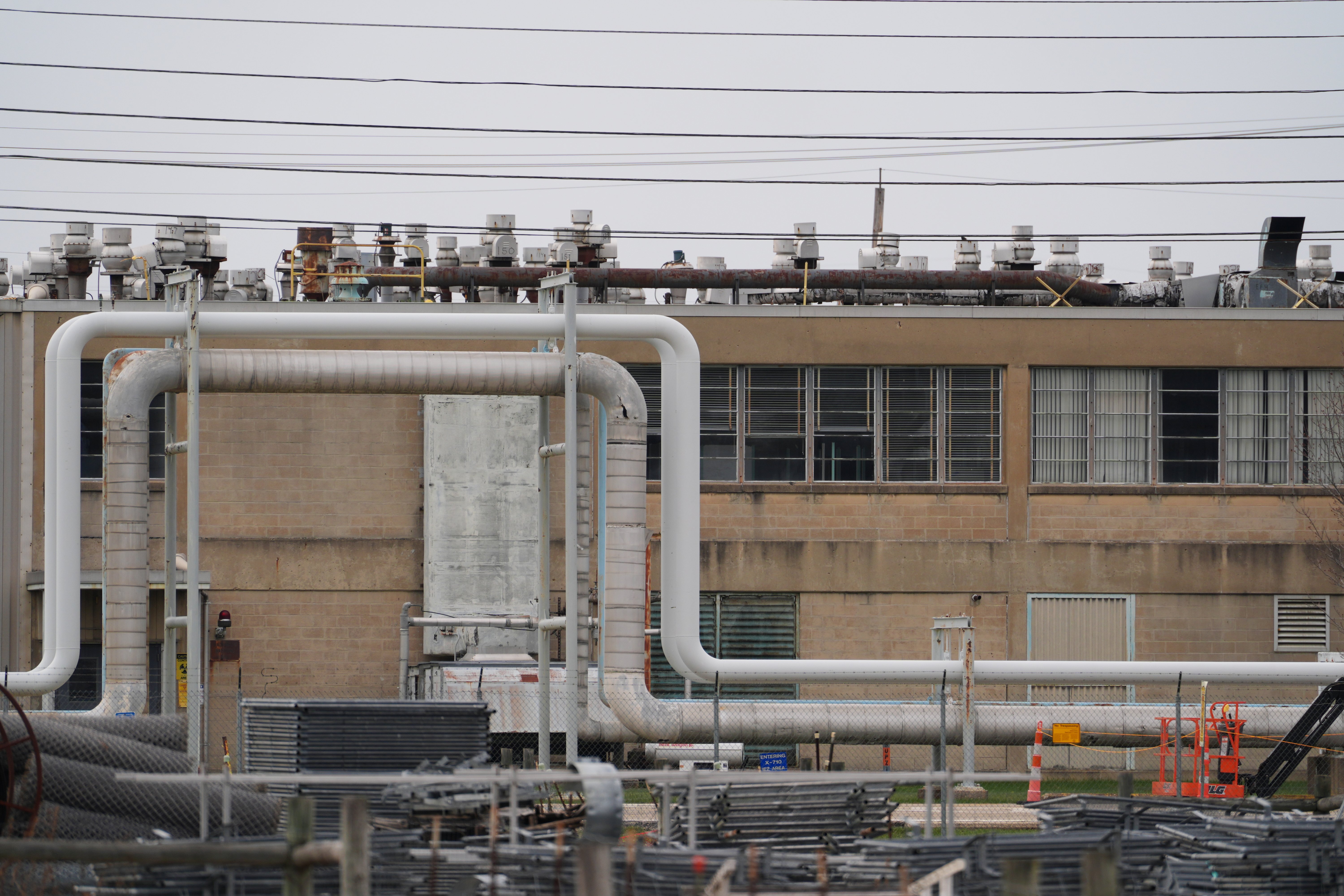
Nuclear energy enjoys broad bipartisan support in Washington as a low-carbon alternative to fossil fuels, but the question of what to do with spent fuel has long stymied the industry. The Trump administration has set an ambitious target to quadruple national nuclear capacity by 2050, making waste storage a critical piece of that puzzle.
The memorandums signed Tuesday are only the first step. They authorize the Energy Department and state officials to discuss technical, regulatory, and financial arrangements for potential storage sites. No final decisions have been made, and any facility would require extensive environmental reviews and local approvals.
The search for a permanent nuclear waste repository has been fraught for decades. In 1987, Congress designated Yucca Mountain in Nevada as the primary candidate, but fierce local opposition and political wrangling have kept the project in limbo. The Trump administration's approach—soliciting voluntary interest from states—represents a shift from the top-down Yucca Mountain model.
Critics warn that the five states may face similar resistance. Environmental groups and some local officials have already raised concerns about safety and transportation risks. Supporters argue that modern storage technologies and the economic benefits of hosting a facility can overcome past hurdles.
Energy Secretary Wright framed the initiative as a matter of national security and energy independence. "These campuses are crucial to unleashing America's nuclear renaissance," he said in a statement. The administration also sees nuclear power as a hedge against reliance on foreign energy sources, a theme that resonates with Trump's broader energy policy.
The selection of these five states—each with existing ties to the nuclear industry or energy infrastructure—suggests the administration is prioritizing locations that may have a head start on regulatory and community engagement. Utah, for instance, already hosts a private spent fuel storage facility, while Idaho is home to a national laboratory with nuclear expertise.
The timeline remains tight. With a target of 2027 for initial operations, the Energy Department will need to move quickly on environmental impact statements, licensing, and public hearings. The Trump administration has shown a willingness to use executive authority to fast-track energy projects, as seen in other areas of its agenda, including controversial legal maneuvers.
For now, the five states are in the early stages of what could be a multi-year process. The memorandums signal a serious push by the administration to resolve the nuclear waste impasse, but the path to a working facility remains uncertain. The next steps will be closely watched by energy markets, environmental advocates, and the communities that may soon find themselves at the center of the nuclear debate.