When Cathy Cowan Becker moved to Hilliard, Ohio, three years ago, she didn't expect to be on the front lines of a fossil fuel battle. But a new state law—House Bill 15—changed that, allowing data centers to fast-track approval for behind-the-meter gas generation without public notice or hearings.
HB 15, passed in 2025, lets data centers get approval for major utility facilities on their own land in just 60 days, with no public input or local consultation. Approval is automatic, and the only viable fuel source is natural gas, since the generation must be on data center property. The result: the largest fracked-gas fuel cell project in North America was quietly approved for an Amazon data center in Hilliard, emitting 1.45 million pounds of CO2 daily—equivalent to 66,000 cars running 24/7—next to homes, a park, and an elementary school.

Hilliard is just one example. Across Ohio, 11 combustion gas turbine plants totaling 5,200 MW have been proposed or approved to power data centers. In New Albany, the Socrates North and South gas plants—400 MW combined—were approved for Meta's Prometheus complex, the world's first gigawatt data center. Additional power comes from deals for three offsite nuclear projects. In Wood County, the 350 MW Apollo gas plant was fast-tracked for a Meta data center with no public hearing, and a shell company used non-disclosure agreements to hide the project from officials for months.
In the tiny village of Ashville, EdgeConneX proposed an 800 MW gas plant to power a data center complex next to children's soccer fields and atop the village aquifer. The village council supported it after the company offered $102 million for schools and wastewater upgrades. Meanwhile, Vantage aims to build a 1,350 MW gas plant with 40 turbines near Millersport, where diagrams show particulate pollution would blanket the village, Buckeye Lake State Park, and Cranberry Bog Nature Preserve—the world's only floating sphagnum moss island. The project received a $76.1 million state tax break.
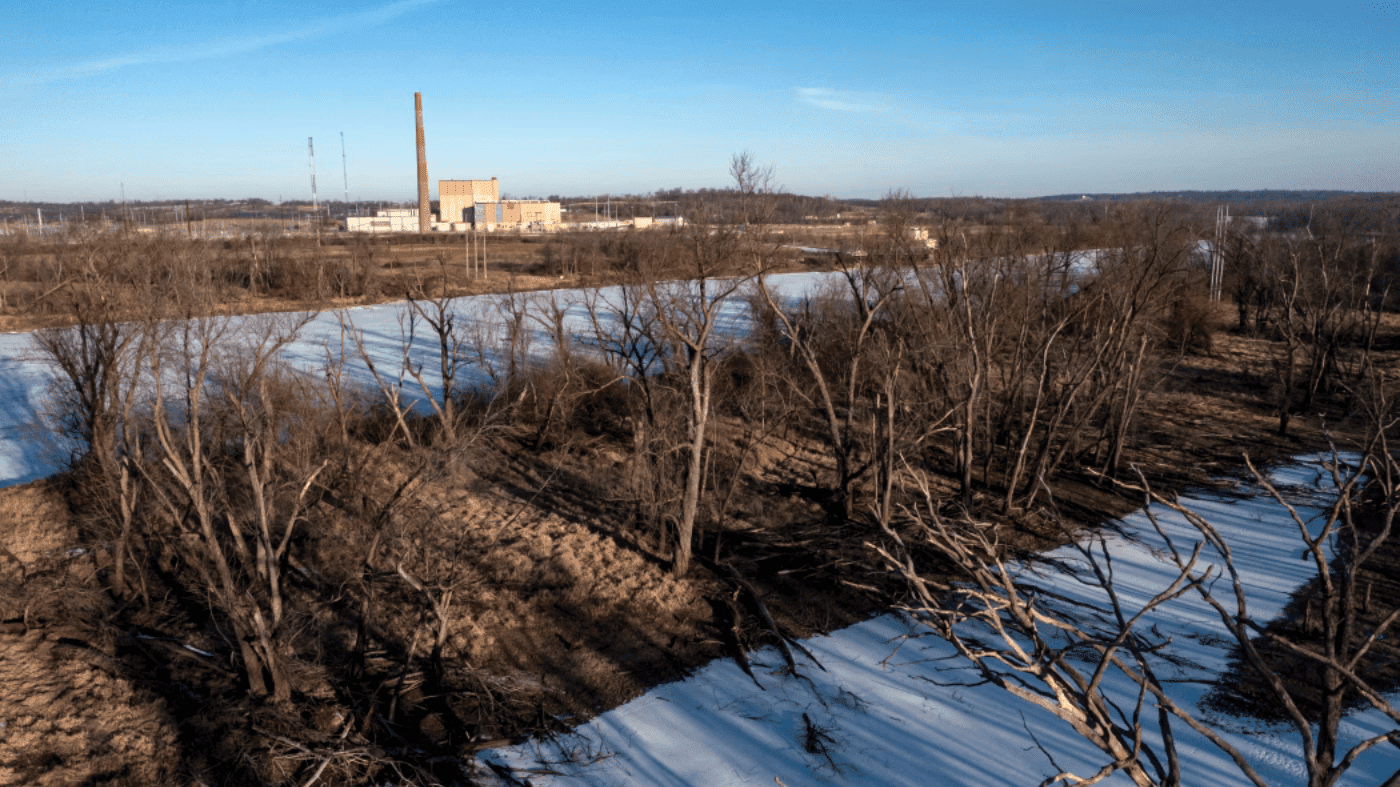
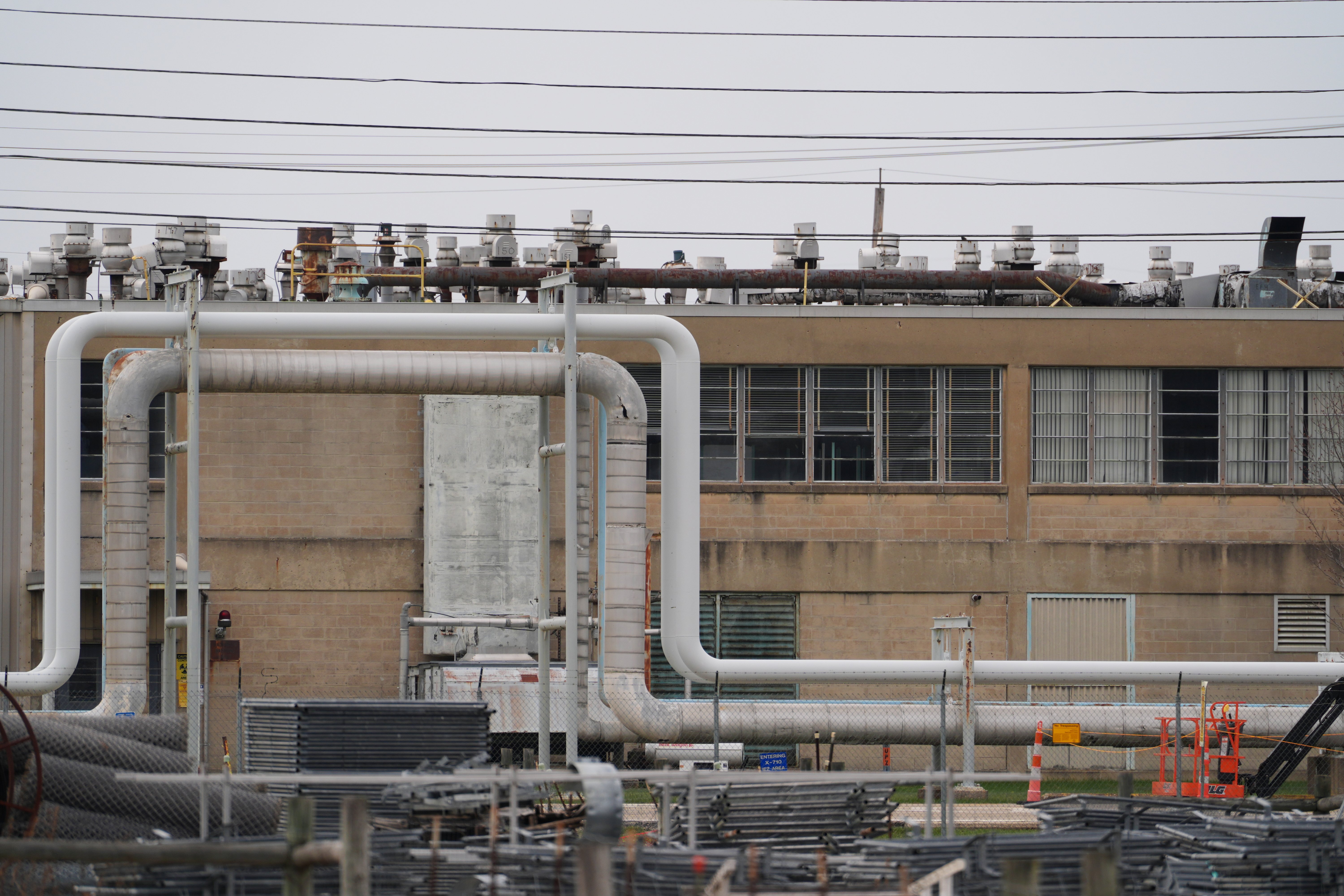
At the federal level, Energy Secretary Chris Wright and Commerce Secretary Howard Lutnick unveiled plans for a 9.2 GW gas plant in Pike County, on the site of the former Portsmouth Gaseous Diffusion Plant that enriched uranium for atomic weapons. Financed by $33 billion from Japan's SoftBank, it would be the largest gas project in the world, emitting over 53 million tons of greenhouse gases annually. Combined, all these gas projects will produce more pollution than many entire countries.
The health costs are staggering. A Harvard study found that a 96 MW gas plant with eight turbines could cause $53 million to $99 million in health damages, including 3.4 to 6.5 additional deaths per year from asthma, hospitalizations, and lost productivity. Most plants now being built are much larger. The demand for gas has also fueled a rush to frack Ohio's public lands, with nearly 22,000 acres of state parks and wildlife areas approved for extraction.
The backlash is growing. More than 50 Ohio communities have passed data center moratoriums, and a statewide volunteer group is collecting signatures for a ballot initiative to ban data centers over 25 MW. Ohio now ranks fifth nationally for data centers, with 240 statewide, putting it on the front lines of fossil fuel expansion. But Cowan Becker argues it doesn't have to be this way. She urges residents in other states to demand renewable energy and guardrails for data centers before it's too late.
With the right laws and incentives, data centers can become an engine for clean energy and community building, not an extractive burden. The wrong way is clear—but citizens can push their states to do it right. For more on how rising electricity costs from AI data centers are affecting ratepayers, and how GOP leaders are spinning legislative wins amid grim polls, The World Signal continues to track the political fallout.