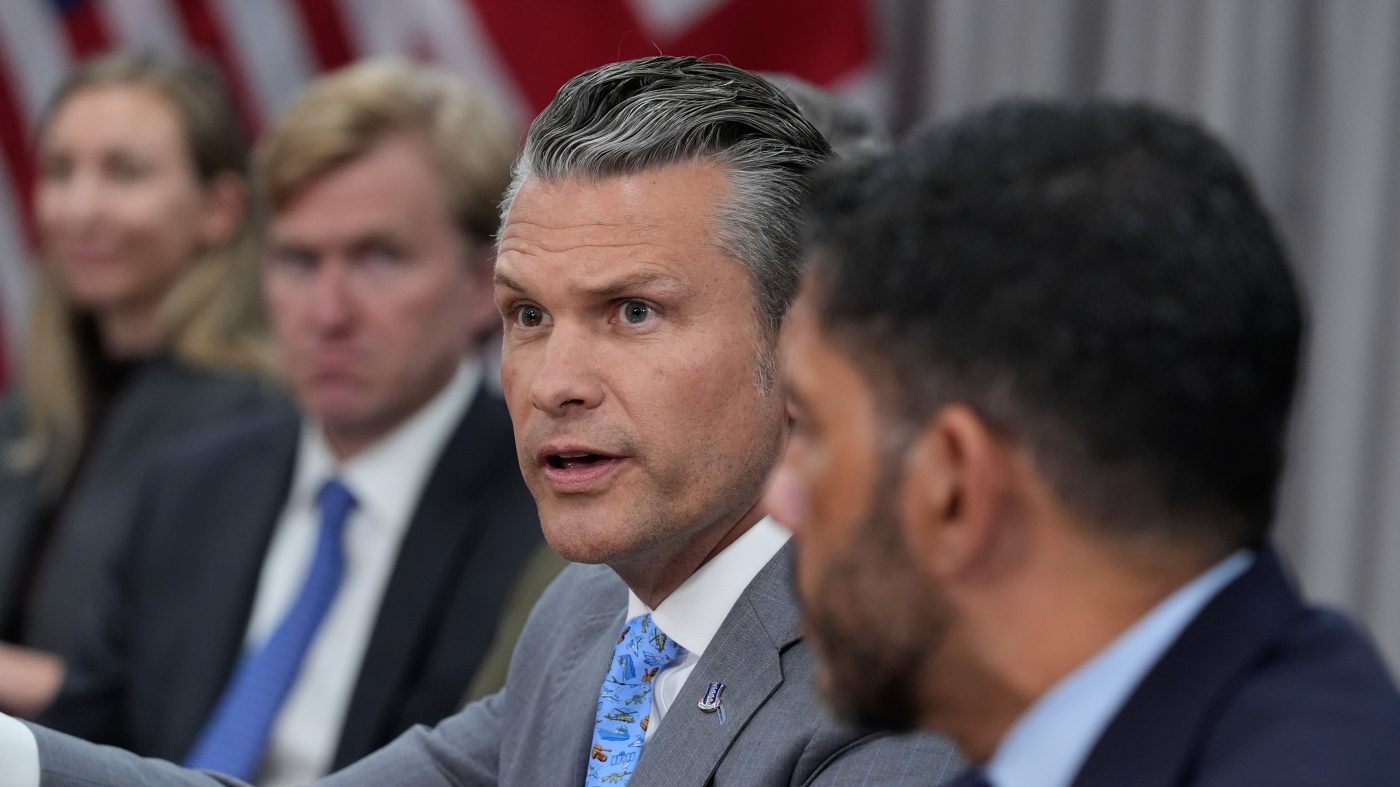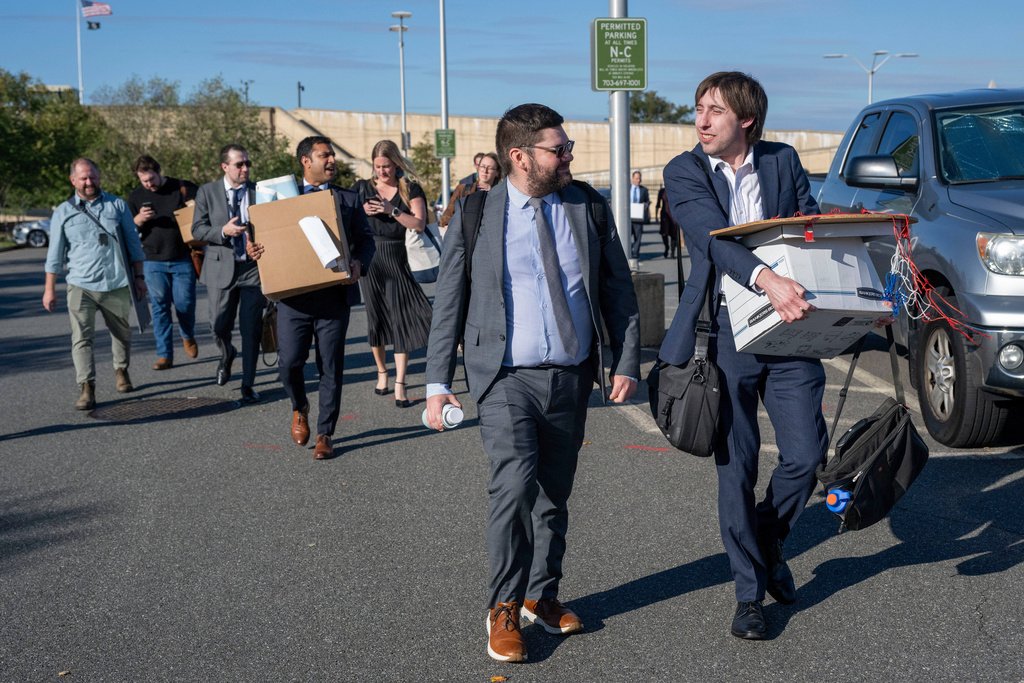
A divided federal appeals court ruled Monday that the Defense Department can continue requiring reporters to be escorted while on Pentagon grounds, as the Trump administration appeals a judge's earlier decision ordering the restoration of full press access. The ruling, from a three-judge panel of the U.S. Court of Appeals for the District of Columbia Circuit, grants the government's request to temporarily suspend the April 9 order that had compelled the Pentagon to comply with a district judge's March 20 directive.
The majority opinion, authored by Circuit Judges Justin Walker and Bradley Garcia, concluded that the administration is “likely to succeed” in arguing that its escort policy is legally valid. The case stems from a lawsuit filed by The New York Times in December, challenging a strict new press credential policy that barred journalists who refused to sign an agreement limiting how they could solicit or report on information within the military.
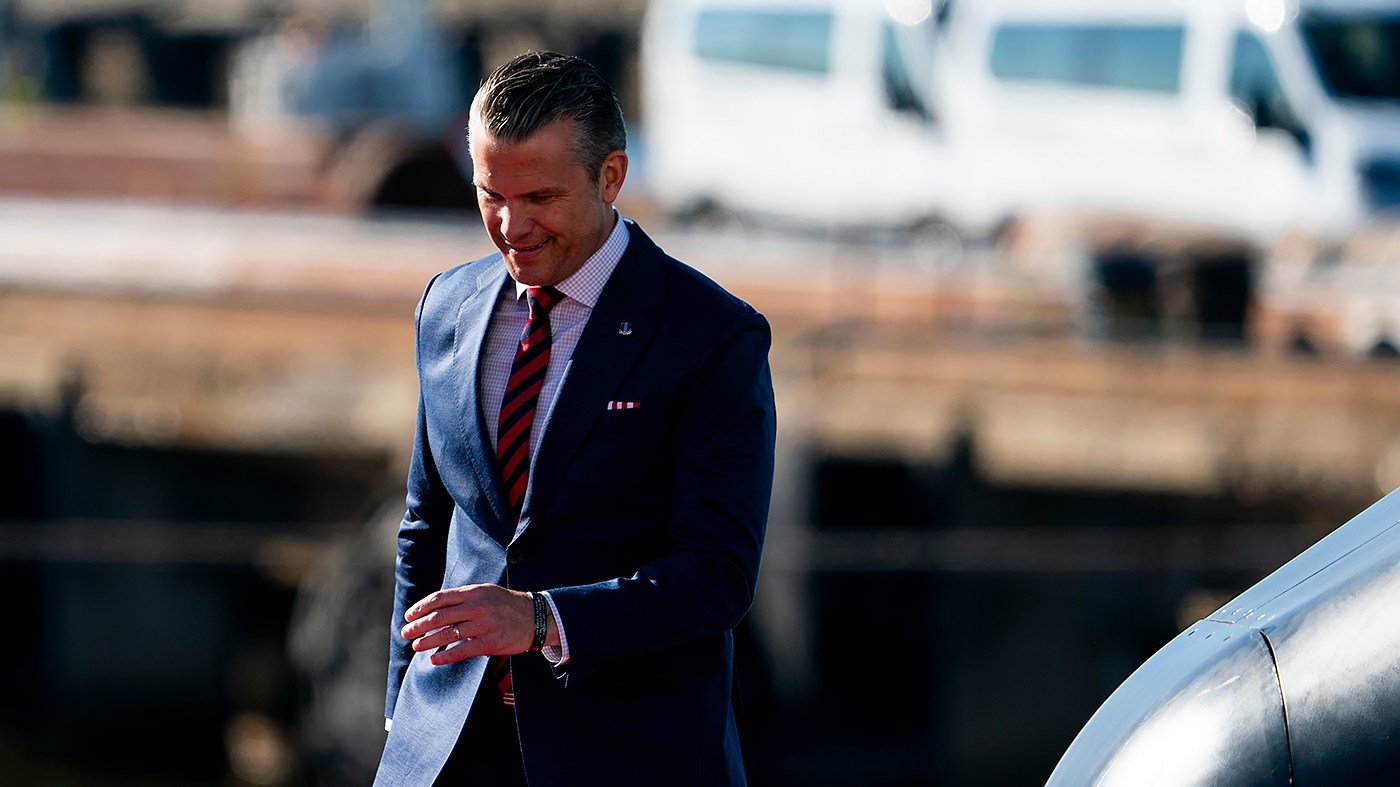
Pentagon spokesman Sean Parnell submitted a declaration to the court asserting that, before the policy took effect in October, journalists regularly obtained sensitive or classified information—often monthly, sometimes multiple times a month—including details about operational plans and intelligence assessments. “Unescorted access to the Pentagon was, according to the Department, ‘a significant contributing factor’ to that pattern because it enabled reporters to ‘observe activity patterns’ and identify potential sources of sensitive information,” the majority ruling stated. “On that basis, the Department argues that unescorted access to the Pentagon will increase the risk that journalists obtain and disseminate sensitive information, jeopardizing national security.”
U.S. District Judge Paul Friedman had sided with the Times in March, ruling that the policy violated the First and Fifth Amendments and ordering the Pentagon to restore reporters' access to the building. In response, defense officials imposed a revised set of rules that still kept journalists out without an escort. The Times' attorneys called the new policy an “attempted end-run around this Court’s ruling,” and Friedman agreed, ordering full compliance on April 9. The Pentagon appealed that decision.
In her dissent, Circuit Judge J. Michelle Childs wrote that “reporters can hardly verify sources, gather information, or speak candidly with Department personnel with an escort looming over their shoulders.” The Times' attorneys had argued that the escort requirement burdens newsgathering by restricting journalists' ability to ask questions, confirm information, and receive timely updates—opportunities that, once lost, are gone forever.
Following the ruling, Parnell said the Pentagon welcomes the panel's decision and looks forward to presenting the merits of its full case. In a statement on social platform X, he wrote that unescorted access to the Pentagon was a “significant contributing factor in the regular unauthorized disclosure of sensitive and classified national defense information.” He added that “since implementing the current access policy, the Department has seen a meaningful reduction in these unauthorized disclosures, which when they occur can endanger the lives of service members, intelligence personnel, and our allies.”
Times lawyer Theodore Boutrous said in a statement that the panel's ruling is “a narrow, preliminary one” and that he and other attorneys “look forward to defending the full scope of the district court’s rulings in The Times’s favor in this appeal.” The case continues as the appeals process unfolds, with broader implications for press access to military facilities and the balance between national security and First Amendment rights.
This dispute echoes broader tensions over Pentagon press policies, including recent controversies over the Pentagon's seizure of Stars and Stripes, which threatened troops' independent news source. Meanwhile, the administration's handling of national security information has drawn scrutiny, as seen in Senate Democrats' probe into the Pentagon's response to a fatal Kuwait drone strike. The ruling also comes amid broader debates about defense policy, including European NATO spending surges as the U.S. cuts defense budgets.