The Pentagon has moved to strip Stars and Stripes of its long-standing editorial independence, firing the newspaper's ombudsman and placing it under direct military control—a shift that critics warn will turn the historic troops' publication into a mouthpiece for Secretary of Defense Pete Hegseth and President Donald Trump.
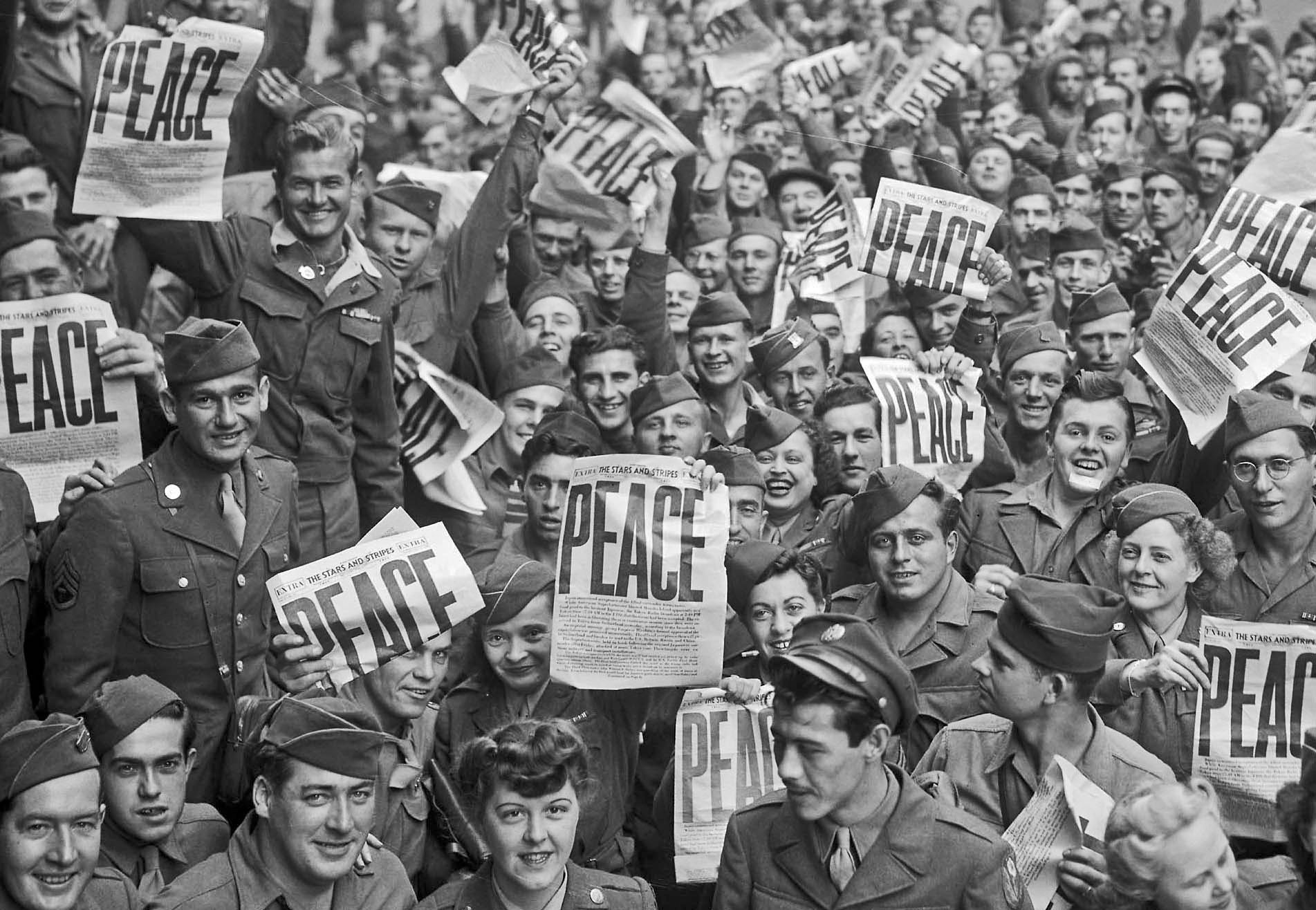
Founded by Union soldiers during the Civil War, Stars and Stripes has delivered news to American service members along what it calls “the world’s most dangerous paper routes.” It evolved from a weekly into a daily during World War II, covering national and international affairs alongside frontline reports from Europe, Asia, and the Middle East. For decades, the paper operated independently of the brass—a status Congress codified in the late 1980s.
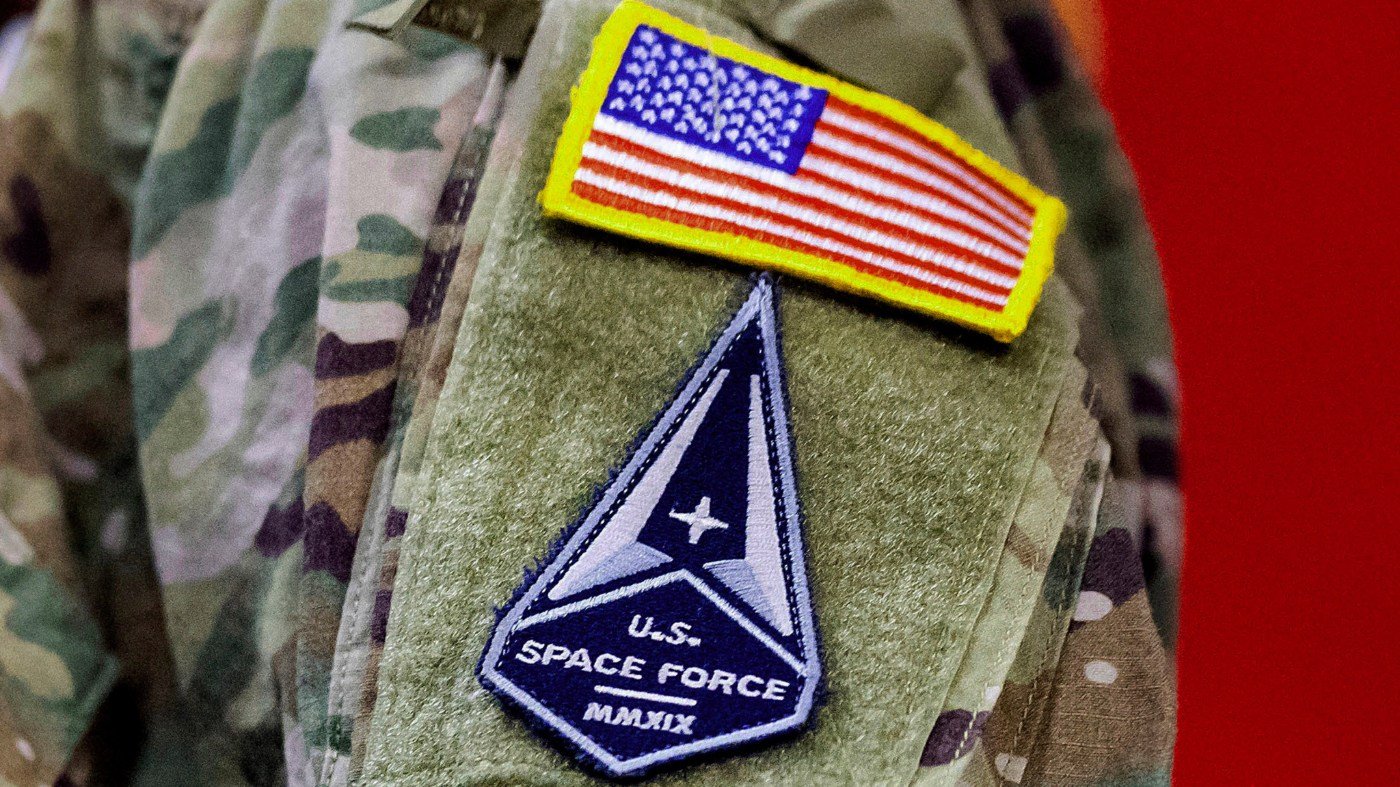
That independence is now in jeopardy. The Pentagon announced it is taking over the paper to “modernize its operations, refocus its content away from woke distractions that siphon morale, and adapt it to serve a new generation of service members.” The move came after the firing of Jacqueline Smith, the paper’s ombudsman, who had been a watchdog for editorial integrity.
William S. Becker, a former Army sergeant who served as a combat correspondent for Stars and Stripes in Vietnam in 1966 and 1967, described the change as a betrayal of the paper’s mission. “We didn’t wear rank or military uniforms,” he recalled. “We traveled throughout South Vietnam, embedding ourselves in combat operations to give the soldiers’ perspectives on the war.” Becker worries that under Hegseth, the paper will abandon coverage of peacekeeping and humanitarian missions in favor of a relentless focus on “intimidating, demoralizing, hunting, and killing our enemies.”
Hegseth’s rhetoric has alarmed many. He has mocked “stupid rules of engagement” and “tepid legalities” like the Geneva Conventions, and his policy advisers have suggested punishing NATO allies for not joining Trump’s military campaign against Iran. Trump himself has called NATO a “paper tiger” and threatened to encourage Russia to “do whatever the hell they want” to member countries that don’t meet defense spending targets.
The administration’s approach to alliances has been consistently confrontational. Trump pulled out of the Iran nuclear deal in 2018, leaving France, Germany, and the UK in the lurch. He has imposed punitive tariffs on European goods and threatened to seize Greenland by force. And he has downplayed allied sacrifices, including the 1,000 European troops who died in Afghanistan, even as he accused NATO of shirking its duties.
Becker sees a direct line from these foreign policy moves to the takeover of Stars and Stripes. “Hegseth and Trump have poisoned our relationship with allies,” he said. “Will they now try to poison the views of the rank-and-file military?”
The stakes are high. Stars and Stripes currently reaches 1.4 million people and generates 26 million page views on its digital edition. Its reporting has often provided a soldier’s-eye view of war, including stories about humanitarian efforts and the quiet professionalism of the force—coverage that critics fear will be replaced by partisan cheerleading.
Former Labor Secretary Robert Reich has warned that media acquisitions should be treated differently from other corporate takeovers because of “the media’s central role in our democracy.” That principle applies with special force to a publication that serves the men and women who risk their lives for the country.
The mounting costs of Trump's Iran strategy and the administration’s push for Christian nationalism have already strained relations with allies and service members alike. Now, with Stars and Stripes under Pentagon control, the question is whether Congress will step in to restore the paper’s independence—or whether the troops will lose one of their last independent voices.