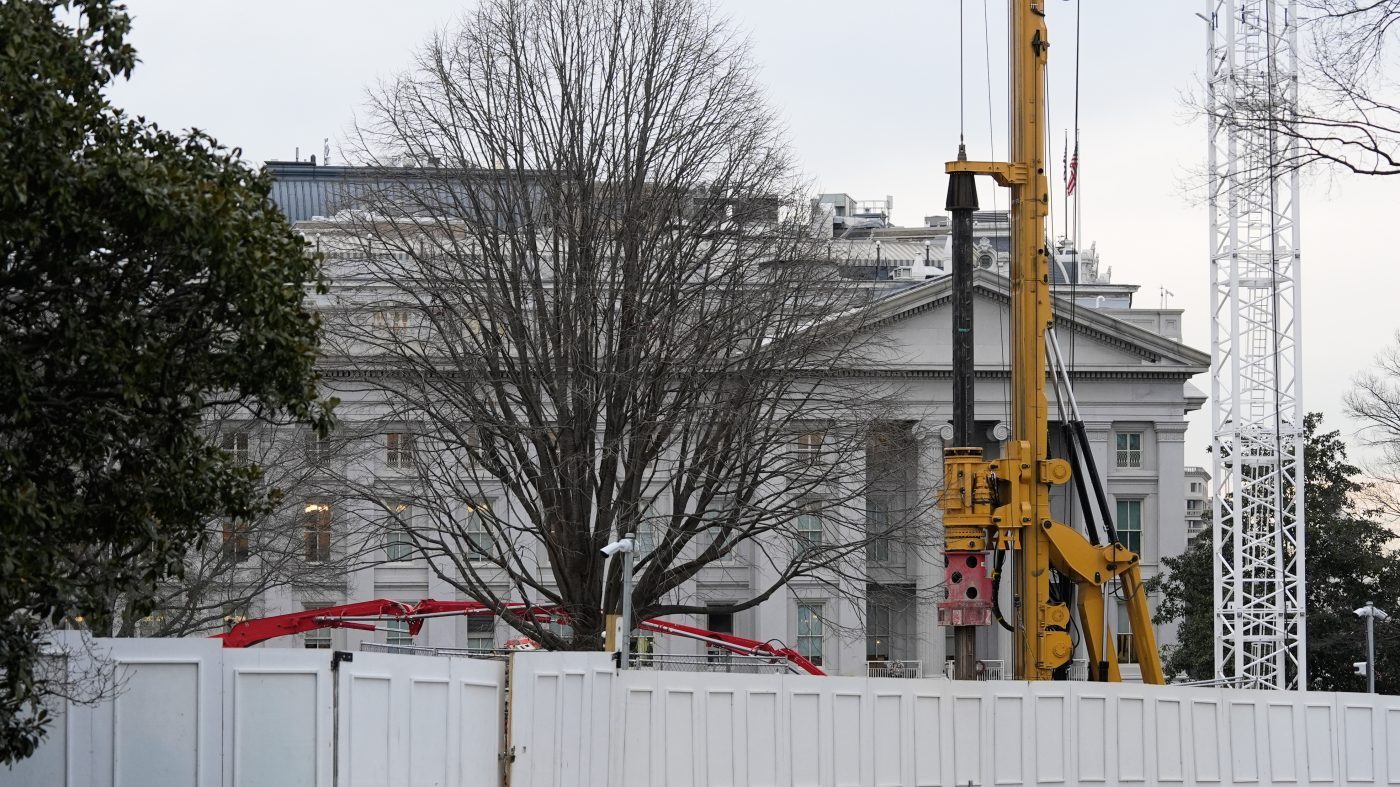
The National Trust for Historic Preservation is holding firm against a Department of Justice demand to abandon its legal challenge to President Trump’s planned White House ballroom. In a letter sent Sunday, the preservation group’s attorney, Gregory B. Craig, informed the DOJ that the organization would not dismiss what it calls a necessary constitutional case.
“That lawsuit seeks to require the President to secure authorization from Congress—as mandated by the Constitution and federal law—before undertaking further construction on the proposed ballroom,” Craig wrote. “The National Trust respectfully declines the invitation to dismiss.”
The DOJ had urged the group to drop the suit in the wake of the shooting at the White House Correspondents’ Association dinner on Saturday. In its own Sunday letter, the department labeled the lawsuit “frivolous” and set a Monday morning deadline for dismissal, warning it would otherwise move to dissolve the injunction and have the case thrown out, citing “last night’s extraordinary events.”
Trump himself seized on the incident to argue for the ballroom’s necessity. “I didn’t want to say this but this is why we have to have all of the attributes of what we’re planning at the White House,” he told reporters on Saturday. “It’s actually a larger room, and it’s much more secure.”
Democratic Senator John Fetterman of Pennsylvania echoed that sentiment, posting on X that the venue used for the dinner “wasn’t built to accommodate an event with the line of succession for the U.S. government.” He added, “After witnessing last night, drop the TDS and build the White House ballroom for events exactly like these.” Fetterman’s reference to “Trump derangement syndrome” is a term the president uses to dismiss his critics.
The clash comes as the administration faces scrutiny over security protocols at high-profile events. The suspect charged with attempted assassination after the WHCA dinner remains in custody, and the White House press secretary has linked the shooting to what she described as Democrats’ anti-Trump rhetoric.
The National Trust, which has argued that the ballroom project violates the National Historic Preservation Act and the Constitution’s requirement for congressional approval of alterations to the White House, shows no sign of backing down. Legal experts suggest the case could set a precedent on executive authority over historic landmarks.
Meanwhile, the DOJ’s aggressive posture has drawn criticism from some legal observers, who see it as an attempt to exploit a security crisis to silence a legitimate legal dispute. The preservation group’s refusal signals that the fight over the ballroom—and the boundaries of presidential power—is far from over.