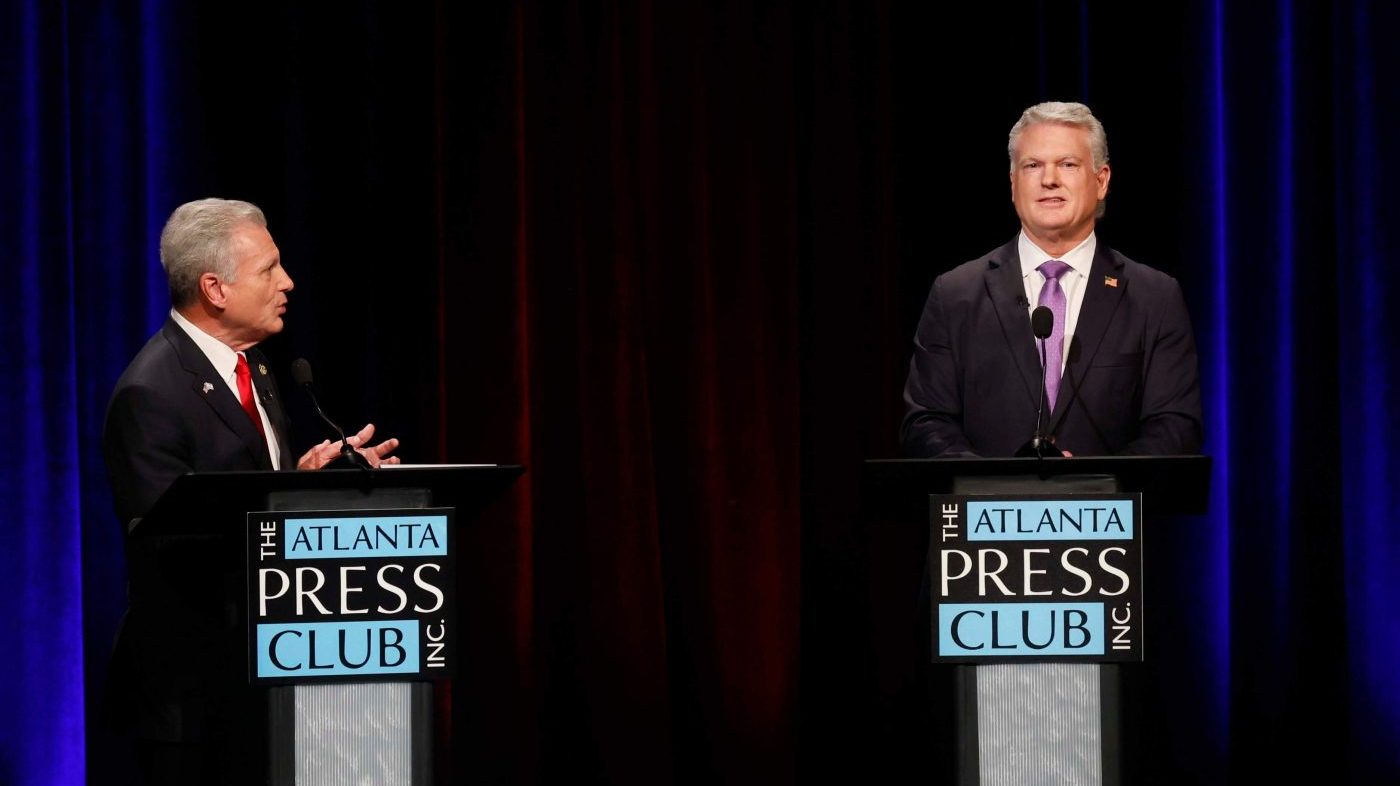
Reps. Buddy Carter (R-Ga.) and Mike Collins (R-Ga.) clashed repeatedly during Sunday’s Georgia Senate GOP primary debate, with Carter hammering Collins over a House Ethics Committee probe and Collins firing back by painting Carter as a career politician with his own ethical baggage. The debate, hosted by the Atlanta Press Club's Loudermilk-Young series, took place just one day before early voting begins in the state’s crowded Republican primary.
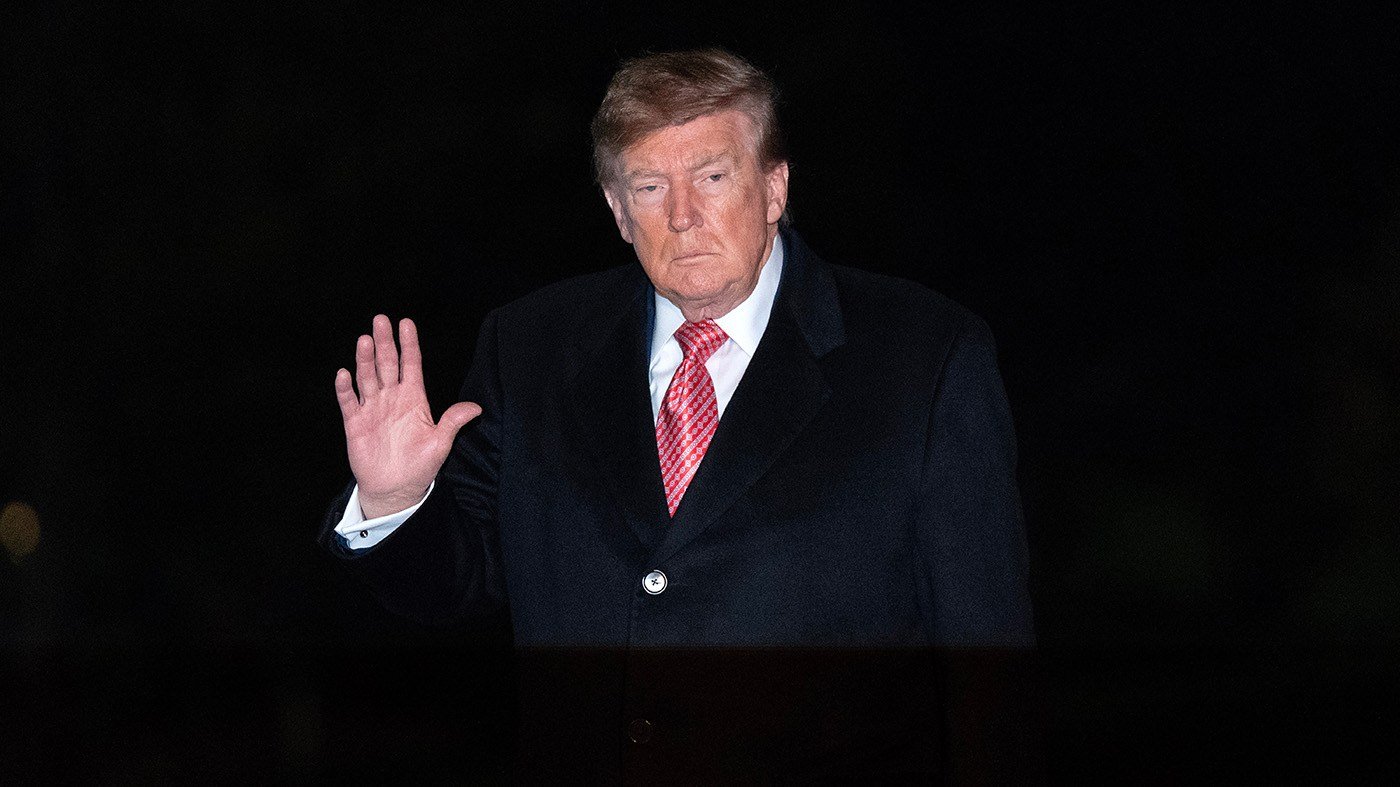
The five-candidate field also features former University of Tennessee football coach Derek Dooley, former Senate candidate John Coyne, and retired Brig. Gen. Jonathan McColumn. The winner will face Sen. Jon Ossoff (D-Ga.) in a general election that Republicans view as one of their best pickup opportunities, despite the state’s recent Democratic lean. The race is drawing national attention, with former President Donald Trump’s possible endorsement looming over the May 19 primary.
Carter went on the offensive early, targeting Collins over an ongoing investigation by the Office of Congressional Conduct (OCC). The probe alleges that Collins’ office may have used taxpayer resources improperly, including hiring an intern who had a relationship with then-chief of staff Brandon Phillips and reportedly performed no work. “Mike, we all know you’re under federal investigation by your own Republican colleagues for misuse of taxpayer funds,” Carter said during the debate. “If taxpayers can’t trust you to properly steward their money, how can they trust you to be a U.S. senator?”
Collins dismissed the allegations as a “total nothing burger” and accused Carter of hypocrisy. “You know, Buddy, I can tell through the voice that you know how the polling is going out there,” Collins shot back. He went on to claim that Carter’s career has “been littered with complaints, crooked land deals,” and pointed to two Federal Election Commission (FEC) complaints against Carter—both later dismissed—as well as scrutiny over his pharmaceutical business interests and a land purchase in Camden County that he failed to disclose on financial forms.
Carter has faced questions about a 2020 land purchase near a proposed spaceport, which he said was for hunting and fishing and not required to be reported because it was for personal use. The Savannah Morning News reported that Carter later sought to sell the property after the spaceport project collapsed. Carter has also been criticized for supporting legislation that some argue could benefit his wife’s pharmaceutical businesses, though he maintains there is no conflict of interest.
Dooley, who has the endorsement of Georgia Gov. Brian Kemp (R) and is polling third, largely stayed out of the crossfire. He took a subtle jab at both frontrunners by arguing that Washington needs a political outsider. “It’s time we start sending a different kind of leadership to Washington,” Dooley said, positioning himself as an alternative to the two sitting congressmen.
The debate underscored the intensity of a primary that could hinge on Trump’s endorsement, which remains unclaimed. The Georgia Senate race is seen as a key battleground for Republicans hoping to flip a seat in a state that has trended Democratic in recent cycles. For more on how internal GOP dynamics are shaping other primaries, see our analysis of the California gubernatorial debate, where a similar lack of a clear frontrunner has emerged.
Meanwhile, Collins’ defiance of GOP leadership on certain issues, such as his support for restoring SNAP funding, has set him apart from some colleagues, as noted in our report on Collins and Sullivan bucking party leadership on food aid. As early voting begins, all five candidates are making final pitches to a Republican electorate that remains deeply divided between establishment and insurgent wings.