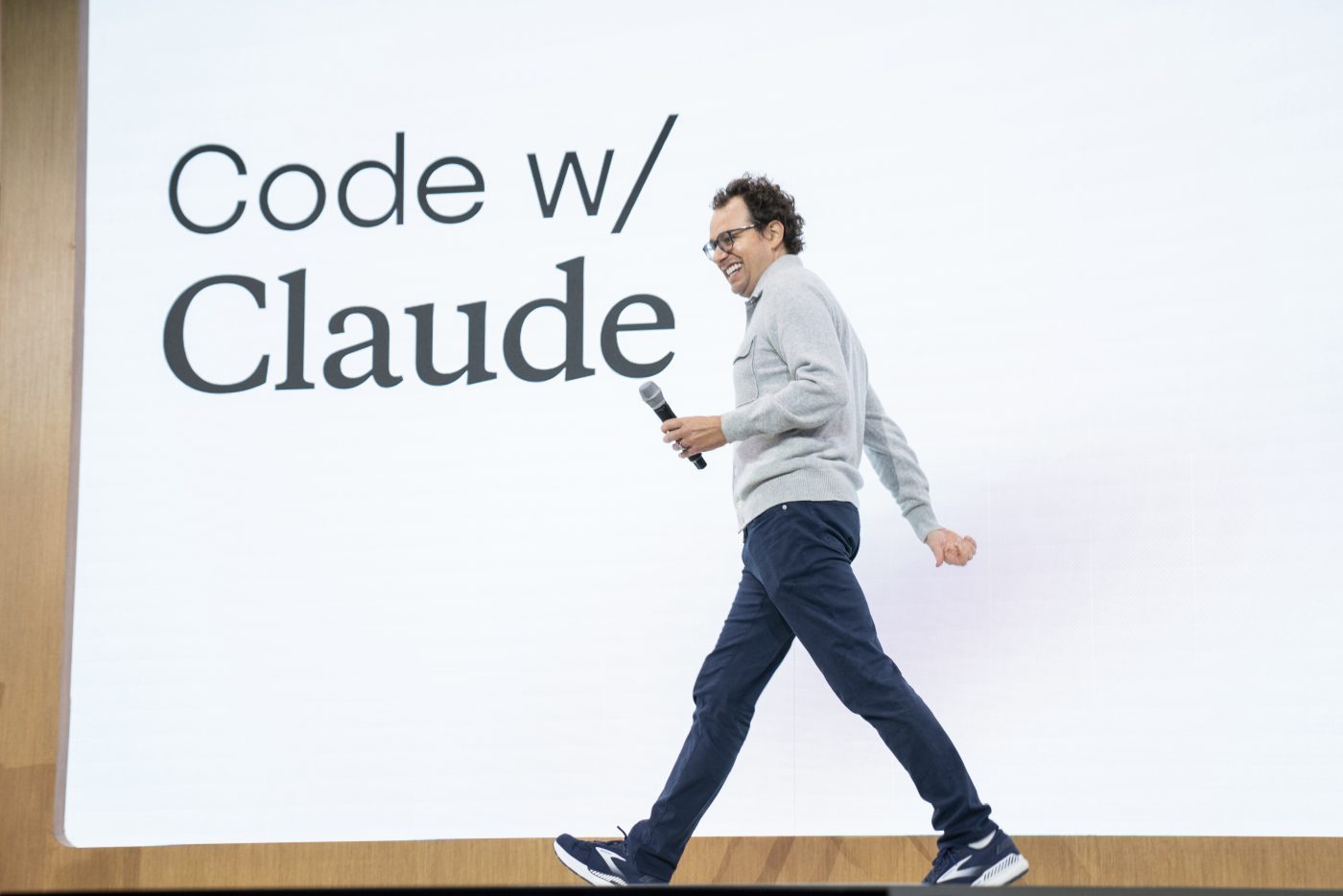
In a striking reversal of Silicon Valley's anti-regulatory ethos, Anthropic CEO Dario Amodei has publicly called for government oversight of artificial intelligence, including the possibility of a "kill switch" for advanced AI systems. Speaking on CBS News after publishing an essay urging tech leaders to slow AI development, Amodei warned of "great risks" to the public, such as losing control of AI, its misuse for cyberattacks and bioterrorism, and severe economic disruption. He endorsed "some kind of oversight, some kind of joint governance," echoing proposals from Rep. Ted Lieu (D-Calif.) and Rep. Nathaniel Moran (R-Texas) that would establish federal guardrails for the technology.
Remarkably, Amodei's rivals—OpenAI's Sam Altman and Tesla's Elon Musk—quickly voiced support. Musk posted on X that "Dario is right." This rare consensus among tech billionaires signals a pivotal shift in the industry's stance, as they now acknowledge a vital role for government regulation. Yet this admission collides with a decades-long political orthodoxy in Washington, where both parties have championed deregulation as a path to economic prosperity.
Since the 1970s, Republicans and many Democrats have pushed to reduce federal oversight across banking, energy, labor, and telecommunications, arguing that fewer rules spur hiring, investment, and lower consumer prices. The Trump administration's 2025 AI Action Plan explicitly prioritized removing regulatory barriers to AI development and infrastructure. Meanwhile, corporate tax rates have plummeted—from Reagan's 1981 cut of the top individual rate to 50%, to the 2017 Tax Cuts and Jobs Act that slashed the corporate rate from 35% to 21%.
What this debate has long ignored is that regulation delivers essential public benefits that markets alone won't provide: cleaner air, safer workplaces, financial stability, and consumer protection. Amodei himself questioned the private-sector dominance of AI development, telling CBS, "It has always been very strange that this technology is being built by a private company... I agree with them, I'm uncomfortable." His discomfort points to a deeper structural problem.
Indeed, the Trump administration has increasingly fused public power with private enterprise. The expansion of ICE crackdowns has funneled billions to private prison companies, whose 2025 revenue is projected at $5.5 billion, with $2.4 billion from ICE alone. The government has also become a partial owner in corporations: a $620 million loan to Vulcan Elements, linked to Donald Trump Jr., and an $8.9 billion investment in Intel for a 9.9% equity stake. Just this month, the Pentagon took a 35% stake in North American Blue Energy Partners, giving Washington ownership in a Venezuelan oil venture.
These arrangements invert the constitutional design, where government's coercive powers are constrained precisely because it holds unique authority. Now, taxpayers are effectively subsidizing private firms that depend on favorable federal decisions, blurring the line between public interest and corporate profit. Yet the Republican Party continues to insist that markets alone can solve public problems, a mantra that Amodei suggests has been dishonest.
"I think for too long the industry lied to people about the fact that this technology had risks," Amodei said. But corporations are legally bound under Delaware law to prioritize shareholder wealth, not social welfare. That duty is the government's—enshrined in the Constitution's promises of justice, domestic tranquility, and the general welfare.
As AI accelerates, the debate over regulation is no longer academic. The push by tech leaders for oversight may finally force voters to question a deregulatory faith that has dominated politics for half a century. Whether that translates into political change will be tested in November. For now, the irony is unmistakable: the very industry that once resisted regulation is now demanding it—and exposing the myths of a bygone era.