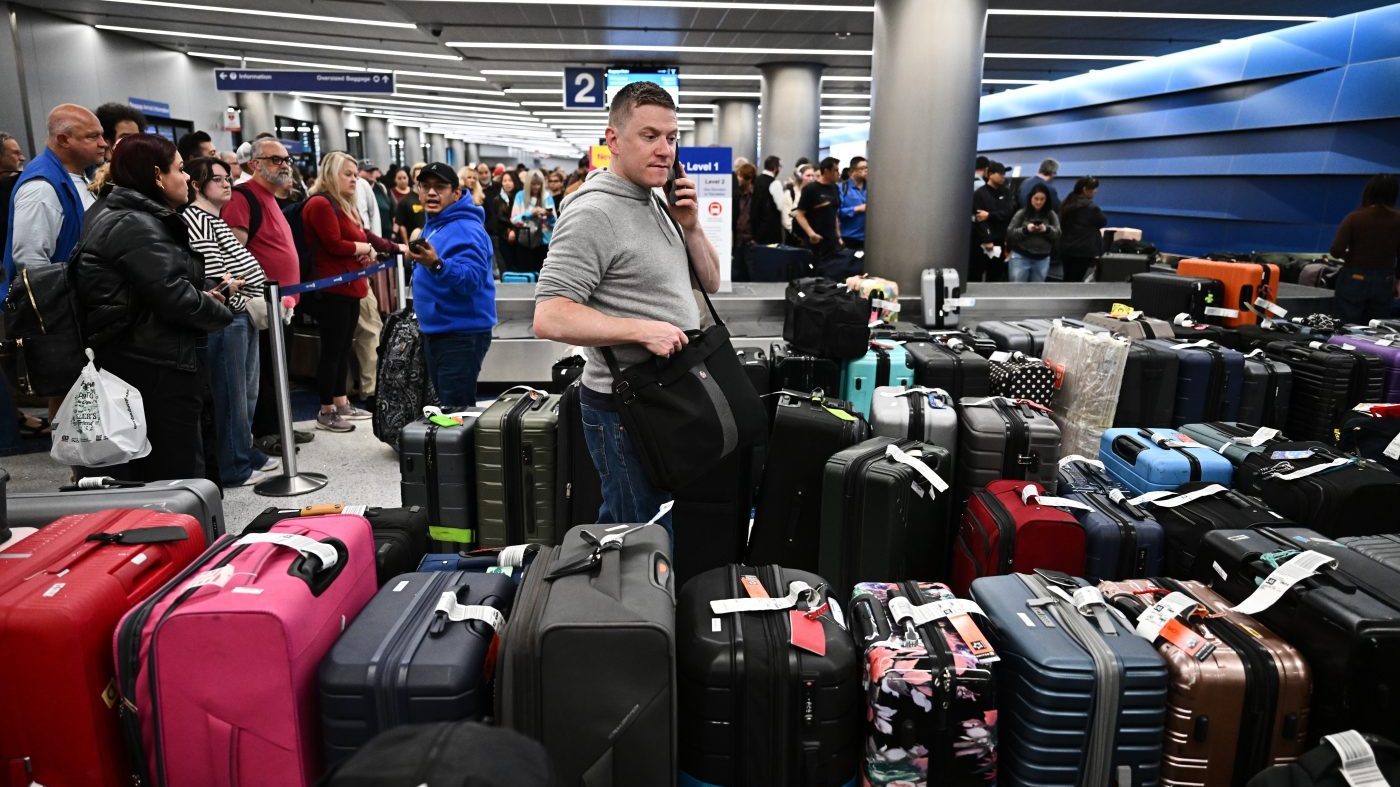
U.S. airports and airlines continued to work through lingering disruptions on Saturday, a day after a rare nationwide ground stop halted flights for roughly four hours. Travelers across the country faced delays and cancellations as carriers scrambled to reposition planes and crews. Transportation Secretary Sean Duffy said Friday evening that the return to normal operations would be "slow," attributing the stoppage to a data overload and outdated air traffic control systems.
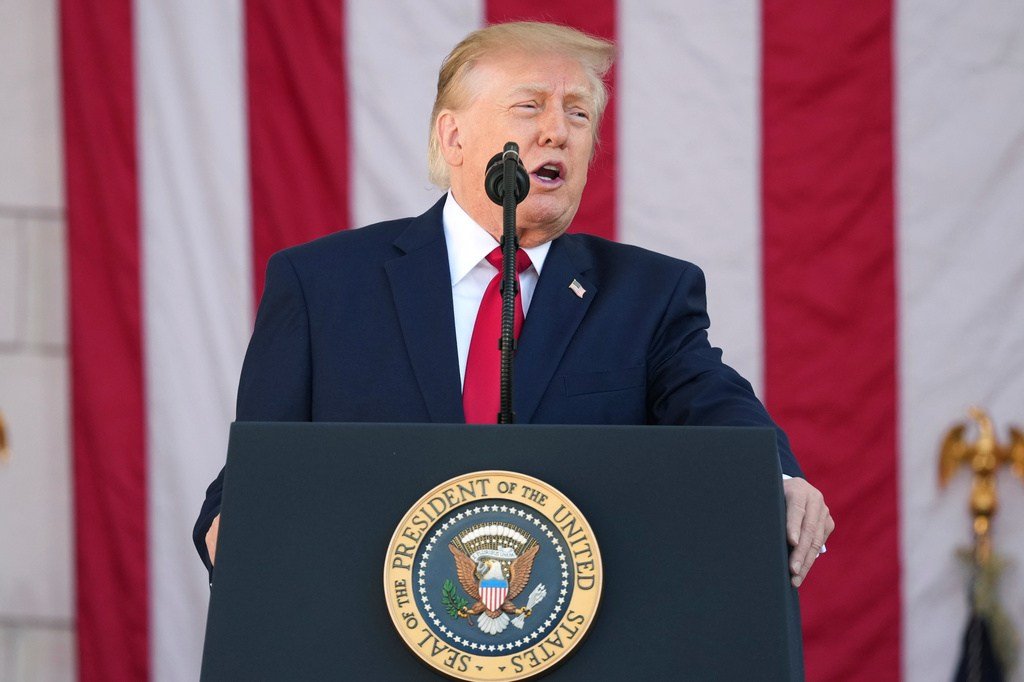
The Federal Aviation Administration's decision to ground all domestic departures drew sharp criticism from lawmakers and industry officials. Duffy and other administration figures took to the podium to explain the technical failure, but President Trump remained silent on the matter throughout Friday afternoon. The president has no public events scheduled for the weekend, leaving the administration's response largely in the hands of his cabinet.
While the FAA works to restore confidence, the aging air traffic control infrastructure has come under renewed scrutiny. Duffy has called for a $50 billion investment to modernize the system, arguing that Friday's disruption underscores the urgency of replacing decades-old technology. Critics, however, have questioned whether additional funding alone would prevent similar failures, pointing to management and oversight issues within the agency.
In a related development, the FAA's AI vendor has denied any role in the ground stop, with Duffy blaming a router overload instead. The conflicting explanations have fueled demands for transparency from lawmakers such as Rep. Garcia, who called the incident "disturbing" and pressed for a full accounting of what went wrong. The ground stop was lifted after several hours, but the ripple effects were felt well into Saturday.
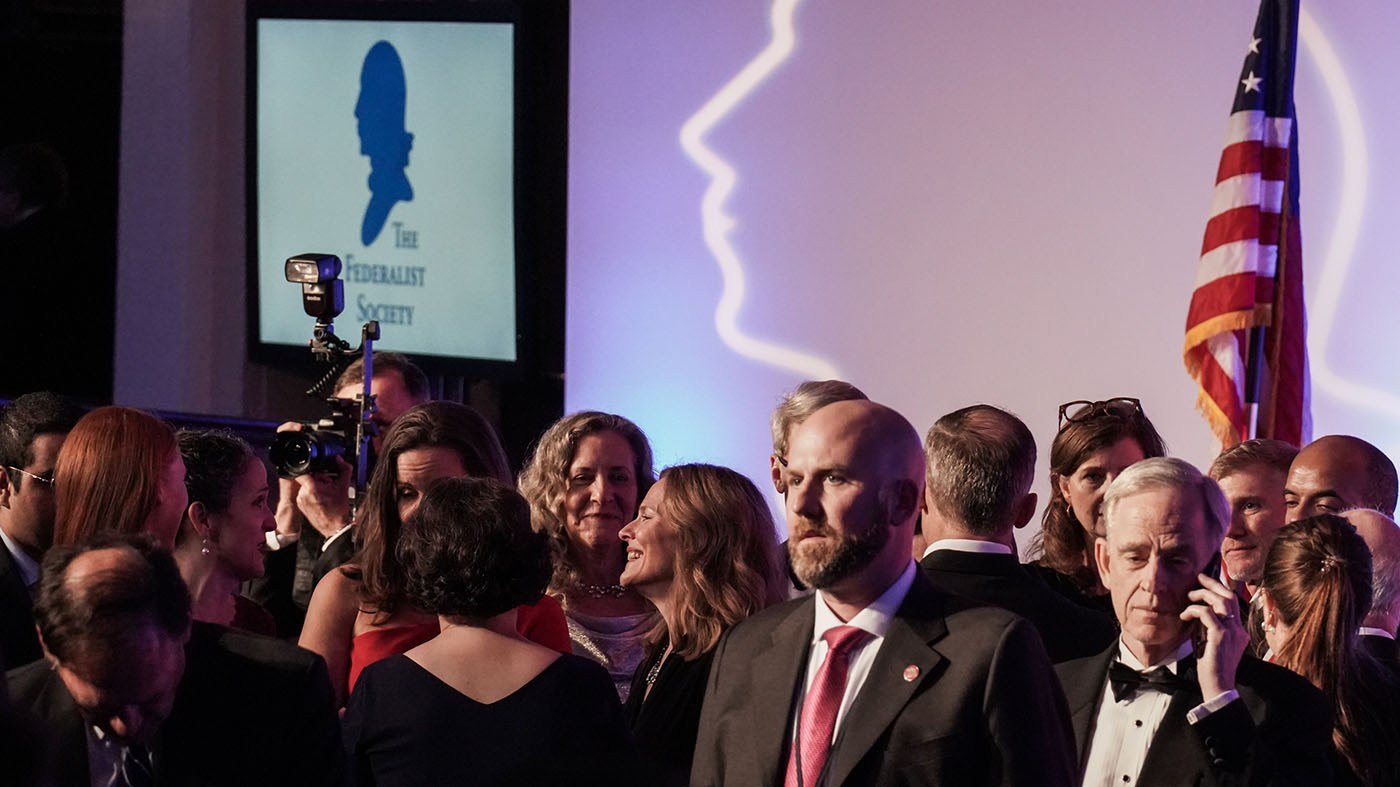
Meanwhile, Washington played host to the Federalist Society's annual National Lawyers Convention, now in its second day. The conservative legal organization's gathering drew prominent figures, including Secretary of State Marco Rubio, whose keynote address on Friday struck an optimistic note of American idealism. Rubio's remarks, which were partly unscripted, fueled speculation about a potential 2028 presidential bid, as noted by The Hill's Laura Kelly. His speech was closely watched by political insiders eager for signals about his ambitions.
The convention comes at a politically charged moment, with several midterm races still unresolved more than a week after Election Day. Among the most closely watched is Alaska's Senate contest, where incumbent Republican Dan Sullivan faces a challenge from Democrat Mary Peltola. The race remains too close to call, reflecting the broader uncertainty that lingers as ballots continue to be counted in a handful of states.
The combination of the FAA disruption and the Federalist Society's gathering highlights the convergence of policy and politics in Washington. While the ground stop raised questions about government competence, the legal conference offered a venue for conservative thought leaders to shape the judicial and political agenda. Both storylines are likely to persist in the coming weeks as investigations into the FAA failure proceed and as 2028 positioning begins to take shape.
For now, travelers are advised to check with their airlines for the latest status updates, as residual delays are expected to continue through the weekend. The administration has pledged to conduct a thorough review of the incident, but for many Americans, the immediate concern remains getting to their destinations safely and on time.