New York City voters head to the polls Tuesday in a Democratic primary that has become a high-stakes proxy war between artificial intelligence companies and safety-focused nonprofits, with the race to replace retiring Rep. Jerry Nadler turning into a test of political influence for the tech industry.
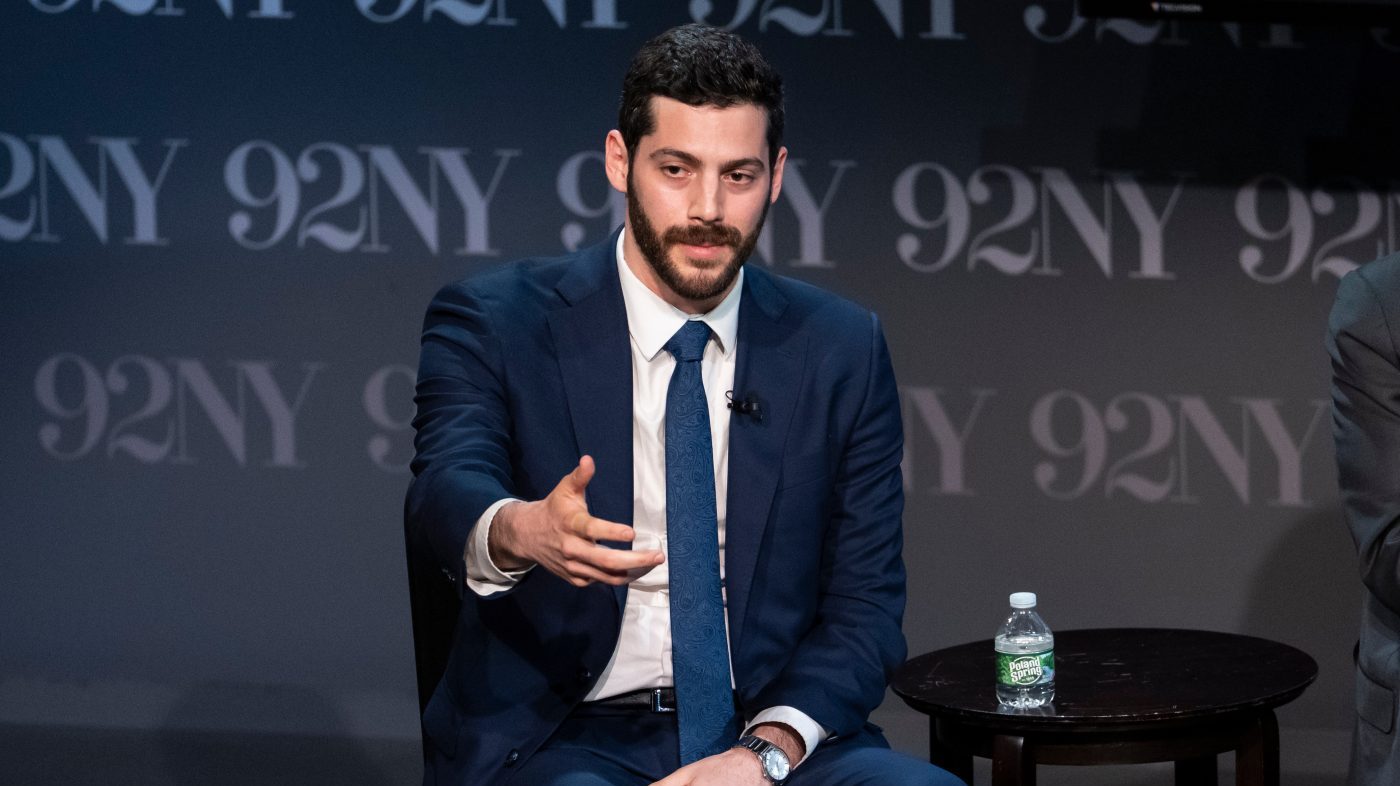
State Assembly member Alex Bores, a former Palantir engineer, has made AI safety the centerpiece of his campaign, drawing intense spending from both sides. The Silicon Valley-backed super PAC Leading the Future has dropped more than $8 million to block his nomination, while AI safety groups have poured over $20 million into supporting him, making this the second most expensive House primary on record, according to AdImpact.
The race has become a bellwether for how AI policy will shape elections nationwide, forcing candidates to take sides on whether and how to regulate the rapidly evolving technology. Democratic strategist Eddie Vale described it as an “interesting test case” for both industry and safety groups, noting it shows “a lot of the different AI PACs starting to poke and prod and look for what the best strategy is.”
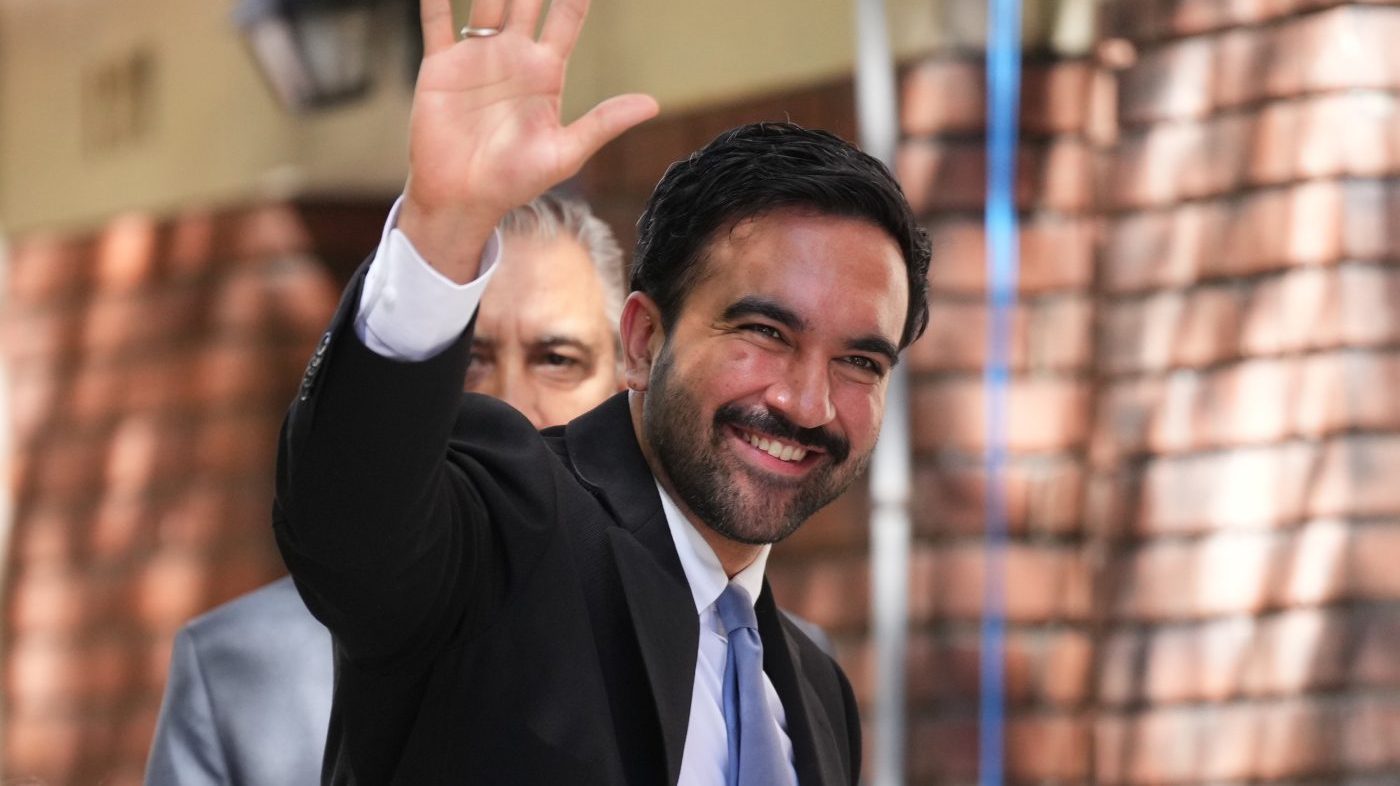
Recent polls show Bores neck-and-neck with former State Assembly member Micah Lasher, who was long considered the front-runner to succeed Nadler. Jack Schlossberg, grandson of former President John F. Kennedy, and George Conway, a former Republican turned Democrat, trail behind. Lasher’s campaign has been boosted by the attention from AI-related spending, with Vale noting that “getting attacked by an industry group can help you” by raising your profile and aiding fundraising.
AdImpact reports about $3.6 million was spent on ads attacking Bores and $1.6 million against Lasher, while $9.3 million went to supporting Bores and $8.6 million to Lasher. Leading the Future, which launched last summer with over $100 million from tech heavyweights like OpenAI co-founder Greg Brockman and venture capitalist Joe Lonsdale, opposes candidates who favor state-level AI regulations that could hamper innovation. The group specifically targeted Bores for his RAISE Act, which requires AI firms to disclose safety protocols and report incidents—a law signed by Governor Kathy Hochul last year.
In its first anti-Bores ad, Leading the Future’s Democratic arm, Think Big PAC, argued the RAISE Act would “create a chaotic patchwork of state rules” that would “crush innovation, cost New York jobs” and “fail to keep people safe.” Despite this, major AI firms like OpenAI and Anthropic have endorsed the law and similar measures in Illinois and California. LTF co-strategist Josh Vlasto emphasized the group supports a national regulatory framework that “creates jobs for American workers, helps America win the race against China, and includes strong guardrails that protect the safety of kids, users and communities.” The Trump administration has also pushed for federal preemption of state AI laws, but Congress has yet to act.
Think Big also targeted Bores for his past work at Palantir, where he focused on strategic partnerships with the U.S. government. Bores resigned in 2019, citing disagreements with the company’s work with ICE. His campaign has framed LTF’s backers as “Trump mega donors,” capitalizing on the attention from ads that have garnered hundreds of thousands of views on YouTube.
In a recent op-ed for The Nation, Bores framed the primary as a pivotal moment for tech industry spending. “If they succeed—if tens of millions of dollars in attack ads can take out a candidate before he ever sets foot in Congress—a chilling effect will sweep into every statehouse and every congressional office in the country,” he wrote. “But if we win, this dynamic gets turned on its head.”
Despite the industry spending against him, Bores has received more total support from pro-safety groups. The Guardrails Alliance recently threw $285,000 behind his campaign, calling LTF’s efforts “billionaires trying to steal our elections.” Another group, Public First, launched last fall by former Reps. Brad Carson and Chris Stewart, has committed $20 million to back candidates like Bores, signaling that the AI safety movement is building a long-term political infrastructure.