Millions of Americans turned out over the weekend to mark the 250th anniversary of the nation's founding, even as a punishing heat dome blanketed more than two dozen states and forced Washington, D.C., to scale back its festivities. Temperatures soared into triple digits in several major cities, with the National Weather Service's HeatRisk index warning that over 125 million people faced either “major” or “extreme” heat-related impacts on Saturday alone.
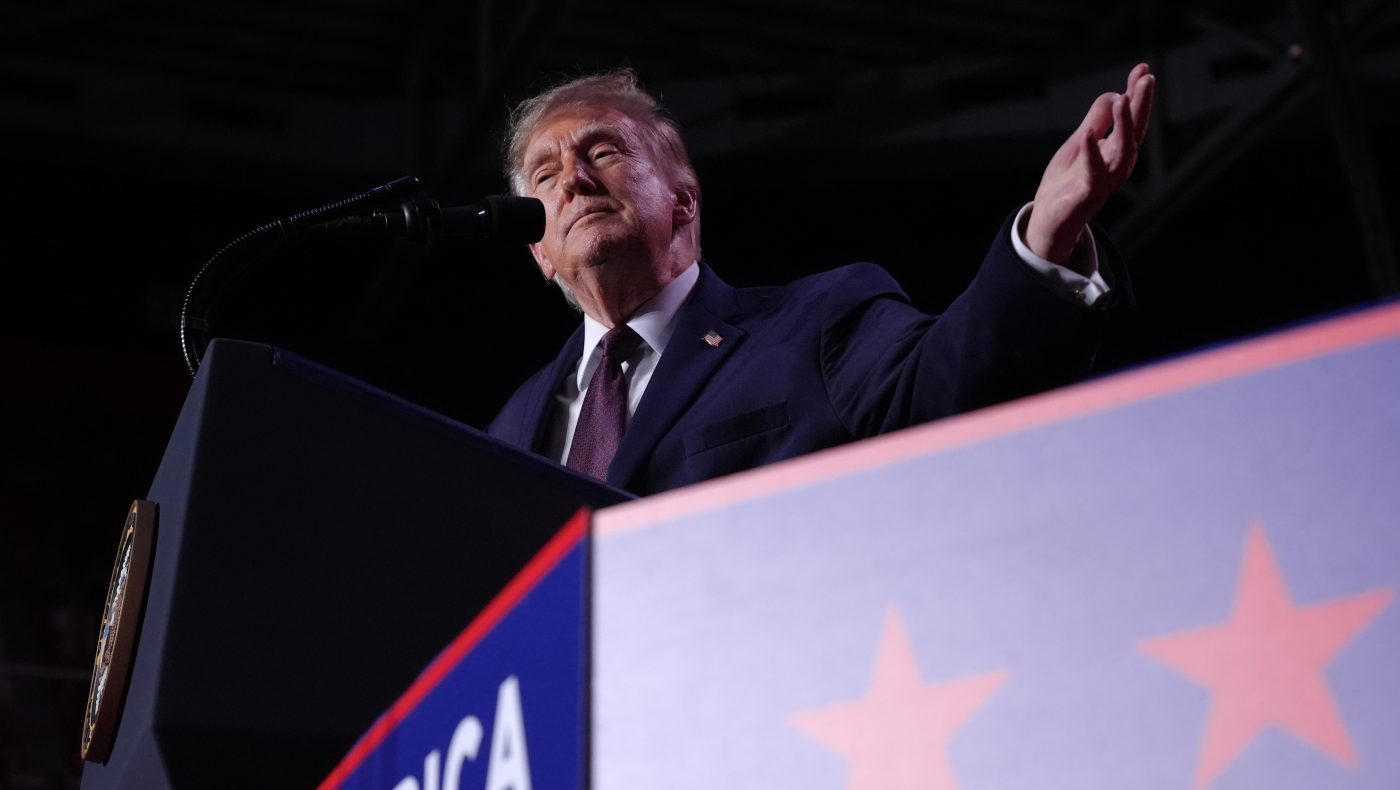
The oppressive weather disrupted July 4th traditions nationwide: parades were canceled or shortened, fireworks displays were pushed to later hours, and the Great American State Fair on the National Mall delayed its opening. Yet President Trump shrugged off concerns, declaring the crowds at his Salute to America Celebration speech were “INCREDIBLE.” In a Truth Social post, he wrote: “The love of our Country has never been stronger!”
The weekend also prompted deep reflection on the nation's trajectory. Former Presidents Joe Biden, Barack Obama, George W. Bush, and Bill Clinton each issued statements emphasizing themes of resilience and progress, as they reflected on America's unfinished democratic experiment. Those themes are expected to carry into a special edition of NBC's “Meet the Press” on Sunday, featuring documentarian Ken Burns, presidential historian Doris Kearns Goodwin, and Smithsonian Institution Secretary Lonnie Bunch.
Interior Secretary Doug Burgum, whose department oversaw multiple multi-million-dollar beautification projects around D.C. ahead of the holiday, will appear on ABC's “This Week” and CNN's “State of the Union.” But the celebrations unfolded against a backdrop of deep political polarization, with elected officials using their Independence Day remarks to paint sharply contrasting visions of America. New York City Mayor Zohran Mamdani (D) urged Americans to confront the nation's flaws through “righteous dissent,” while Vice President JD Vance called on them to reject a “two-dimensional view” that “sees only its sins, but not its grace and its greatness.”
Maryland Gov. Wes Moore (D), who framed his remarks as counterprogramming to Trump, argued that July 4 must be both a “day of reverence” and a “day of reflection.” Speaking from the Maryland State House in Annapolis, he said: “The history of our country and the history of this state is powerful and it is painful. It is complex but inside that complexity is something uniquely American. The strength for self-correction and the strength to self-heal.” Moore is scheduled to appear on “Fox News Sunday.”
Trump's Mount Rushmore Speech Sets the Tone
Trump's own remarks from Mount Rushmore on the eve of the 250th birthday struck a far different chord. The White House described the address as inspirational and optimistic, but it also included what it called a “fierce rebuke” of communism. “As we approach this magnificent anniversary, we see our American identity under a renewed attack,” Trump said. “There is now a resurgence of the communist menace in our land, including from newcomers to our country who embrace ideas totally opposed to our way of life and our great success.” Trump and his Republican allies have increasingly conflated democratic socialism with actual communism, a tactic they are leaning into ahead of the midterms.
Democratic socialism has gained fresh attention following a series of high-profile primary wins in major cities like New York and Los Angeles. Those candidates, along with progressives, are seeking to capitalize on Americans' growing economic anxieties by directly campaigning on affordability issues. The affordability crisis is also weighing on Republican minds, as GOP lawmakers scramble to rack up legislative wins before November.
Legislative Standoff: Voter ID and FISA
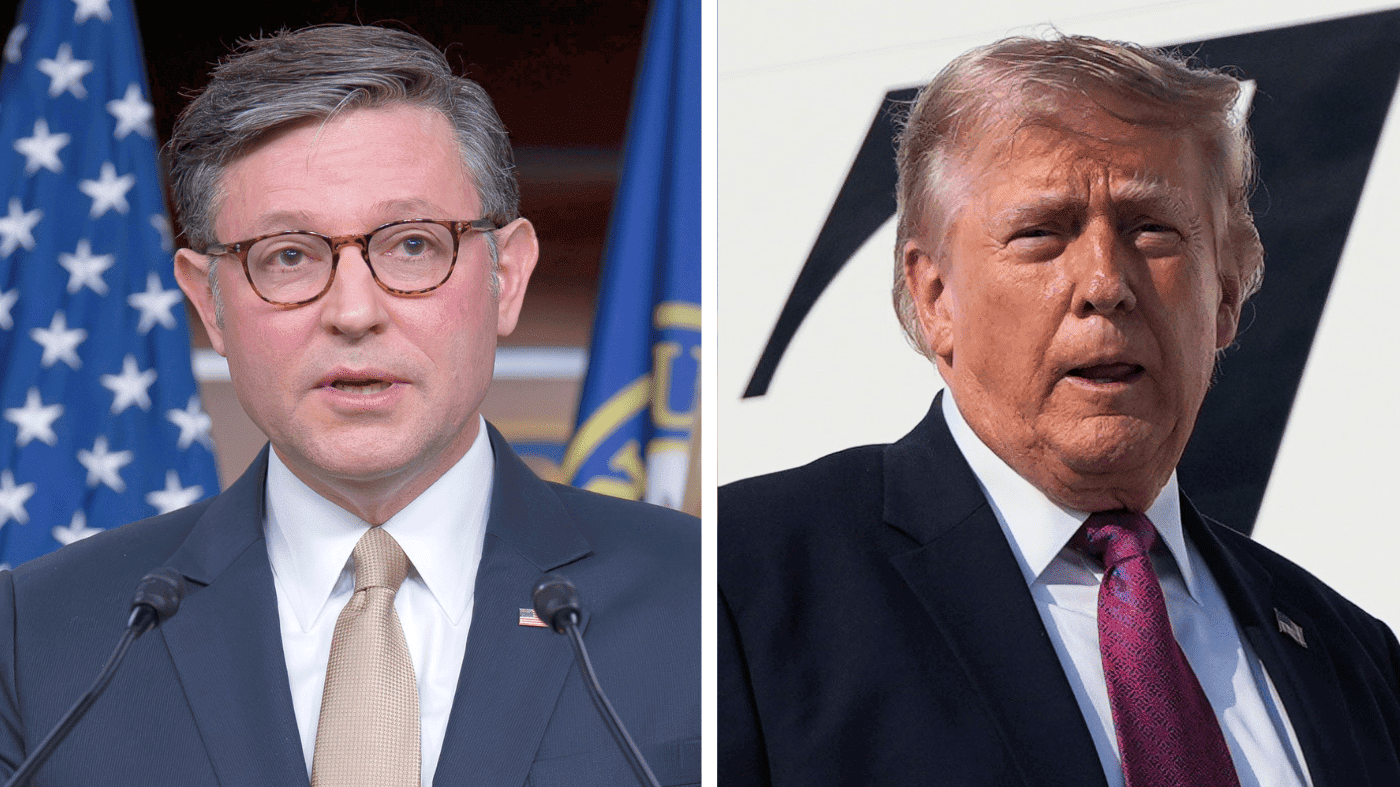
Trump delivered a setback to GOP leaders last week by refusing to sign the bipartisan 21st Century ROAD to Housing Act until the SAVE America Act—a sweeping voter ID bill he has championed as his top priority—was passed. However, after a two-hour meeting with House Speaker Mike Johnson (R-La.) on Monday, the president appears poised to change his mind. “He won't veto the bill,” Johnson told USA Today. “He'll either allow it to just go into law, or he'll put his signature on it and take partial ownership, and I hope he does the latter.”
A group of hardline House conservatives has attempted to block legislative business to ensure passage of the SAVE America Act, which has stalled in the Senate due to Democratic opposition. Johnson, who is also set to appear on “Fox News Sunday,” has described those efforts as “self-defeating” and proposed attaching the election bill to the annual defense budget measure. With the SAVE America Act facing resistance in the upper chamber, Trump has also pushed Republicans to link it to the extension of the Foreign Intelligence Surveillance Act's (FISA) enhanced surveillance powers, conditioning his support for the latter on the former. Both chambers of Congress failed earlier this month to pass an extension to Section 702 of FISA, which allows warrantless surveillance of foreigners abroad. The program lapsed on June 11, and no votes are currently scheduled.
As the political calendar ticks toward the midterms, the battle lines are clear: Trump is demanding action on his voter ID bill and FISA, while Democrats and progressives hammer away on affordability and institutional reform. The coming weeks will test whether the GOP can deliver legislative wins—or whether internal divisions and a stalled Senate will leave the party empty-handed.