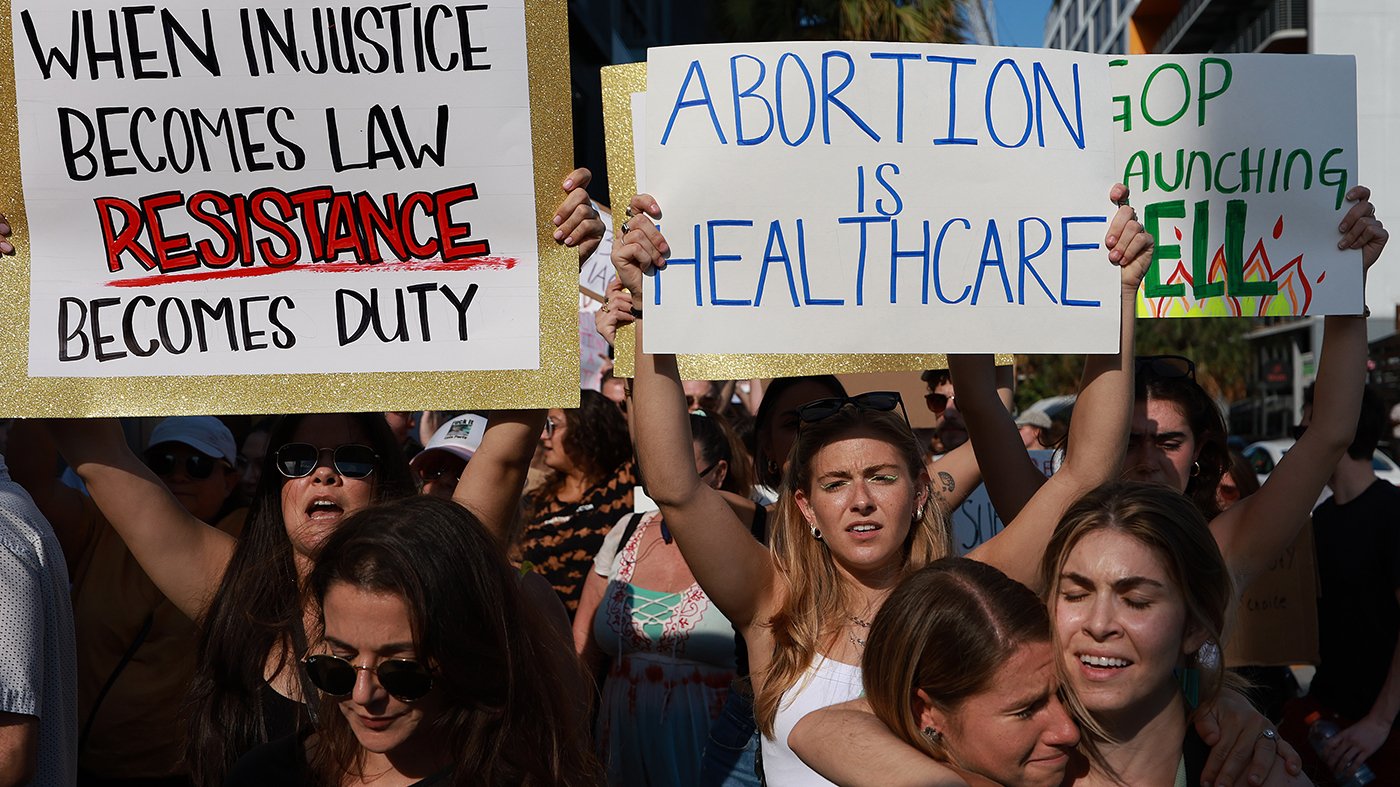
Abortion rights advocates are making an unprecedented push to reshape the House of Representatives this midterm cycle. Reproductive Freedom For All (RFFA) announced a $23.5 million campaign—the largest midterm investment in the group's history—aimed at flipping key districts by electing Democrats who support abortion access.
The effort zeroes in on persuading independents, soft Republicans, and split-ticket voters in Arizona, Michigan, Nevada, California, and Georgia. According to the organization, these are voters whose support for reproductive freedom puts them at odds with former President Donald Trump and his endorsed candidates. The announcement marks the fourth anniversary of the Supreme Court's decision to overturn Roe v. Wade, which ended the constitutional right to abortion.
“Abortion is popular—more popular than any individual politician,” said Mini Timmaraju, president and CEO of RFFA. “What’s not popular is Trump and the MAGA movement, who continue to lose voter support with every new attack on abortion access. Instead of lowering costs or helping families plan their futures, MAGA Republicans have advanced policies that make it harder for people to decide whether, when, and how to grow their families.”
In an interview, Timmaraju described the current landscape of reproductive rights as “pretty bleak,” citing 21 states that have imposed abortion bans or severe restrictions. While state-level races remain important, she stressed that RFFA is putting an outsized focus on the midterms because only Democratic control of Congress can guarantee nationwide protection for abortion access. “We’ve won most of the state battles,” she said, noting there are few left to fight. “So, for us, a lot of our focus is on the midterms and the federal landscape. If we don’t win at the federal level, we cannot restore access in all 50 states, and that’s becoming more and more urgent.”
Abortion may not top the list of national concerns for Democrats this cycle as it did in previous elections, but Timmaraju argued it remains critical, especially in states with abortion-related ballot measures. “I think in every state where we have a chance to go state by state and fight this battle, where we have the opportunity to take something to the ballot, we win,” she said. That pattern held in 2024, when voters largely approved abortion rights ballot measures while also supporting Trump and other GOP candidates who oppose abortion.
An RFFA-commissioned poll of voters in battleground House districts found that 8 in 10 said it is important for lawmakers to protect access to reproductive care, with 58 percent calling it very important. Half of respondents said lawmakers should pass laws protecting abortion access nationwide. The survey deliberately oversampled voters who backed abortion rights ballot measures in Arizona, Michigan, and Nevada but did not support former Vice President Kamala Harris in 2024—highlighting the group’s focus on split-ticket voters.
The campaign comes amid a broader political landscape where Senate Democrats have criticized the Trump administration's Moms.gov website as a backdoor anti-abortion portal. Meanwhile, Republicans are doubling down on anti-fraud messaging as a midterm strategy, signaling that abortion access will remain a central battleground issue. With record spending and targeted outreach, RFFA aims to turn out voters who believe reproductive freedom is non-negotiable—even if they have previously crossed party lines.