Dissatisfaction with the political status quo has been a constant since Donald Trump's 2016 victory, and 2026 is shaping up to be another year of upheaval. With Trump's approval ratings at historic lows and consumer confidence plunging to levels not seen since 1952, Democrats are poised to capitalize—but not just by winning back Congress. A growing faction within the party is demanding a generational overhaul of its own leadership.
Today's Congress is the third oldest in history, and a new movement, led by gun control activist David Hogg, is pouring $20 million into unseating elderly Democratic incumbents. Hogg's group, Leaders We Deserve, argues that while Trump creates daily crises, too many Democratic leaders are unable or unwilling to respond effectively. This push has already forced out longtime figures like former Speaker Nancy Pelosi, 85, and her deputy Steny Hoyer, 86. Jim Clyburn, 85, is expected to serve his last term.

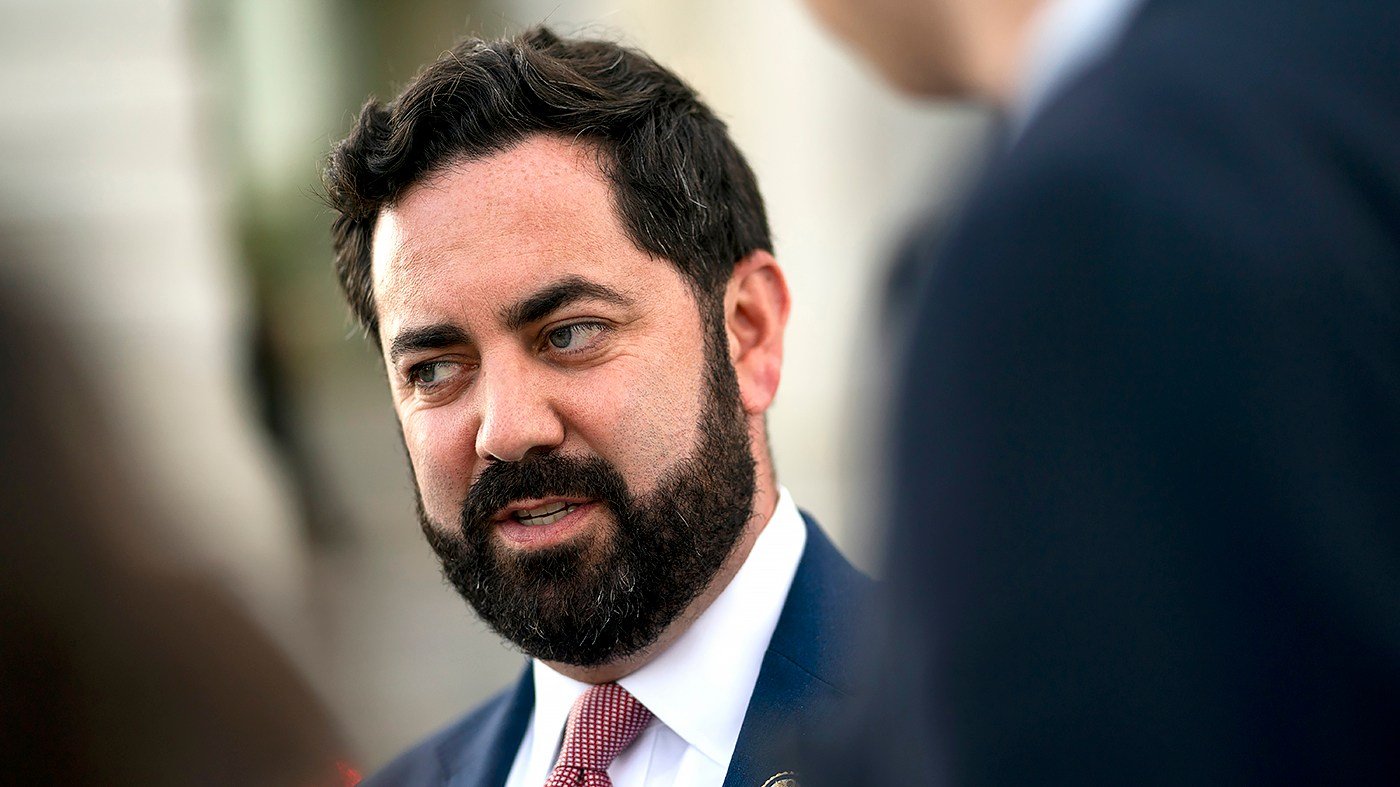
A key test of this generational shift is playing out in Massachusetts's 8th Congressional District, where 39-year-old voting rights advocate Patrick Roath is primarying 71-year-old incumbent Stephen Lynch. Lynch, in his 25th year in Congress, is the only remaining Democrat who voted against the Affordable Care Act—a fact Roath highlights on the trail. Hogg, whose father relied on the ACA during a battle with Parkinson's, has endorsed Roath, calling him the candidate who can finally oust Lynch.
In an interview, Roath framed his campaign as a response to a country in crisis. “It’s a scary time that requires new leadership and fresh thinking,” he said, noting that voters across the district tell him they're “ready for something different.” But Roath insists Democrats must be more than anti-Trump. His platform focuses on affordable housing, childcare access, and reasonably priced healthcare—policies he says are essential to “rebuild public confidence” in democracy and the American Dream.
Roath also targets the role of money in politics, refusing corporate PAC donations and advocating for public financing and donor transparency—positions he honed as former chair of Common Cause Massachusetts. This anti-establishment streak is echoed by other Democratic challengers in 2026. In Maine, Graham Platner forced Governor Janet Mills to suspend her Senate campaign. In Kansas, former Republican pastor Adam Hamilton is seeking the Democratic Senate nomination on a nonpartisan platform. In Nebraska and Montana, Democrats are rallying behind independent candidates Dan Osborne and Seth Bodnar.
While Roath calls himself a “proud Democrat,” he admits he doesn't meet many excited about the party's current leadership. When asked if he'd support the House Democratic leadership, he said, “I’m open to being persuaded.” This skepticism mirrors the “Watergate Babies” of 1974, who overturned the seniority system and ousted three elderly committee chairs. The New York Times described that class as determined to restore Congress as a co-equal branch and curb systemic corruption.
Trump, sensing a Democratic wave, is working to minimize it. How many of these younger progressives will win remains uncertain, but if enough do, they could enact reforms not seen in 50 years. For now, the pressure for generational change is reshaping the Democratic Party from within, with high-stakes primaries like Roath vs. Lynch serving as bellwethers for the party's future.