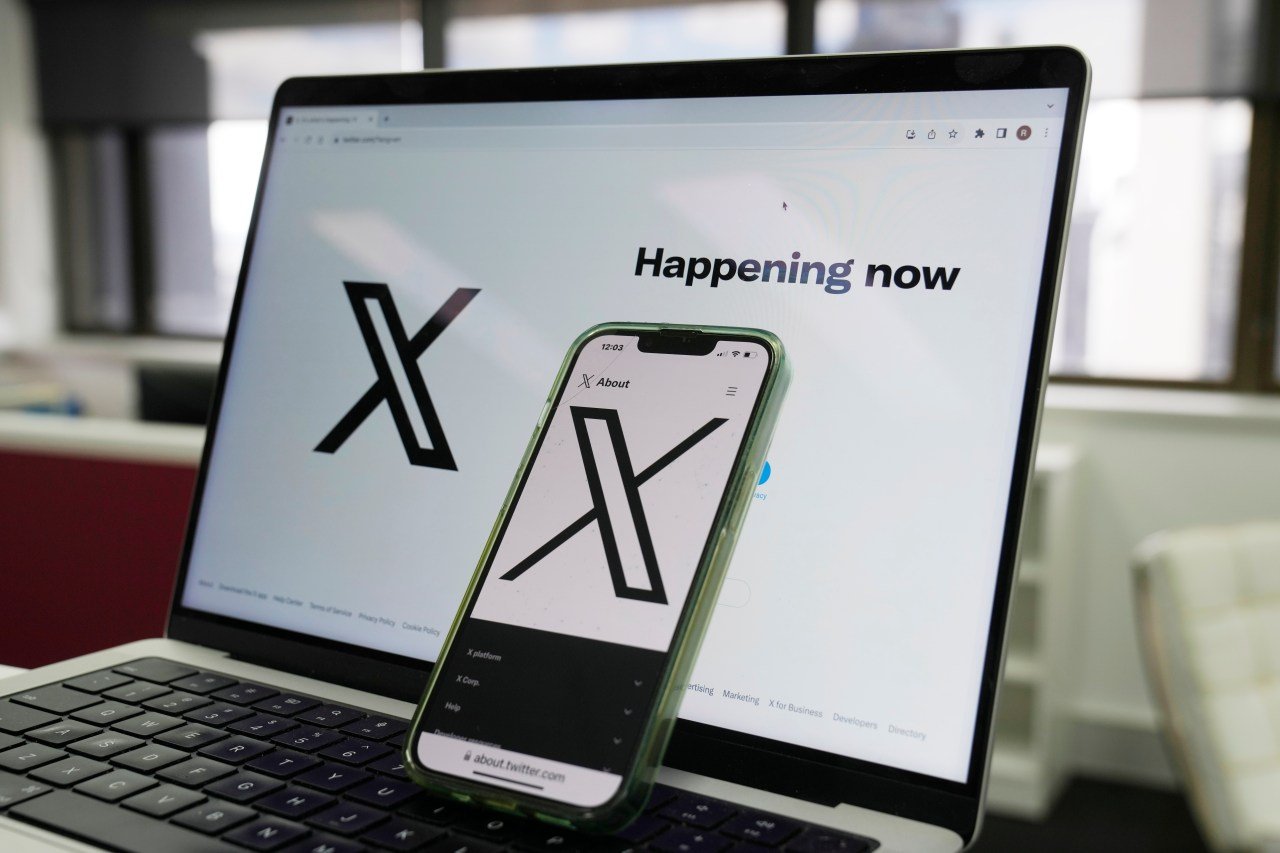
Elon Musk's social media platform X, the company previously known as Twitter, has officially rolled out a new financial product called X Money, marking another step in his long-standing ambition to transform the site into an all-encompassing digital hub. The service, currently invite-only for paying subscribers, includes a Visa-branded debit card and promises features like real-time money transfers between users and a 6% annual yield on deposits.
X Money is not a standalone bank. Instead, it operates on the banking infrastructure of Cross River Bank, a common arrangement for fintech startups that want to avoid the costly and time-consuming process of obtaining a bank charter. The platform effectively rebrands that backend as its own, similar to how many digital wallets and neobanks function today. Musk's history in finance runs deep—he co-founded one of the first online banks under the brand X.com, which later merged with Confinity to become PayPal.

The rollout is limited to X's premium subscribers, who pay at least $8 per month. To qualify for the 6% yield, users must deposit at least $1,000 into their X Money account. Given the monthly subscription fee, a customer would need to deposit roughly $1,600 to offset that cost while earning the advertised return. The company is also offering 3% cashback on eligible purchases made with the X-branded Visa debit card, which can be used at any ATM.
This move places X Money in direct competition with established peer-to-peer payment services like Venmo, owned by PayPal, as well as Zelle and Cash App. Those platforms already dominate the market for quick, casual money transfers among individuals. However, Musk's integration of financial services directly into a social media app could give X a unique edge, especially if it ties into broader features like tipping, content monetization, or e-commerce.
Musk has long described his vision for X as an "everything app," drawing comparisons to China's WeChat, which combines messaging, social media, and payments. The launch of X Money is the most concrete step yet toward that goal, though the company faces significant regulatory and competitive hurdles. The service's invite-only status suggests a cautious, phased rollout to test demand and iron out technical issues before a wider release.
The political implications are also worth noting. Musk's control of X has already reshaped public discourse, and adding financial services could amplify his influence. Critics worry about data privacy and the concentration of power in a single platform that now handles both speech and money. Meanwhile, some GOP figures have embraced Musk's entrepreneurial approach, even as others—like the senators who recently criticized a Trump media plan to sell early access to his posts—remain wary of tech moguls wielding too much sway.
For now, X Money remains a niche offering for the platform's most loyal users. But if Musk can scale it successfully, it could fundamentally alter how people interact with money on social media, potentially forcing rivals like Venmo and Cash App to adapt or risk losing market share. The coming months will reveal whether this latest venture can overcome the skepticism that has greeted other Musk-driven projects.