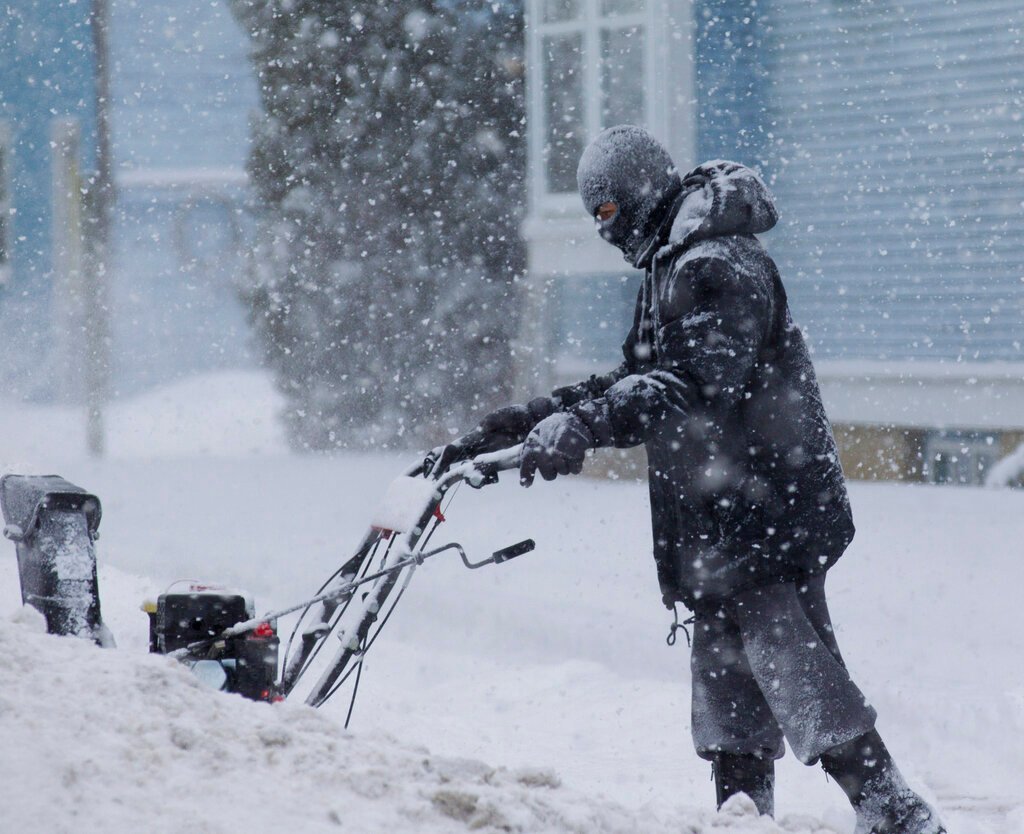
With autumn barely underway, the inevitable question looms: what will winter bring? The calendar may still read late September, but the 2026-2027 winter season is closer than it appears. Whether you'll be reaching for a parka and shovel or an umbrella and sweater depends on whom you consult.
The two most prominent long-range forecasters—the Old Farmer's Almanac and the Farmers' Almanac—have released their annual winter outlooks, and they tell strikingly different stories. The Farmers' Almanac is bracing for “snow, sleet and surprises,” while the Old Farmer's Almanac suggests a milder season with “colder, snowier spots.”
These competing visions highlight the inherent uncertainty of seasonal forecasting. Meteorologists caution that long-range outlooks are probabilistic, not deterministic, and that regional variations can be significant. As meteorologists urge caution about almanac predictions, residents across the country should prepare for a range of possibilities.
What the Almanacs Say
The Old Farmer's Almanac, which has been publishing since 1792, leans toward a gentler winter for most of the United States. It predicts above-normal temperatures for much of the country, with the exception of certain pockets where colder air could dominate. Those “colder, snowier spots” are expected primarily in the northern Plains and parts of the Northeast, where residents might see more precipitation than usual.
In contrast, the Farmers' Almanac, which dates back to 1818, takes a more dramatic tone. It forecasts a winter marked by “snow, sleet and surprises,” suggesting that many areas could experience significant storm activity. The almanac's editors point to a potential for heavier-than-average snowfall in the Midwest and Northeast, with the possibility of early-season storms catching some regions off guard.
Regional Breakdown
For those in the Upper Midwest and Great Lakes region, the Old Farmer's Almanac sees near-normal temperatures but above-normal precipitation. That could translate to a snowy winter, especially if cold air masses align with moisture from the lakes. Meanwhile, the Farmers' Almanac expects the Midwest to be a battleground between mild and cold air, leading to mixed precipitation events.
The South and Southeast are likely to see milder conditions, according to both almanacs, though the Farmers' Almanac warns of possible icy surprises in the interior South. The West Coast, particularly California, is forecast to see a cooler and wetter winter than last year, which could help with drought but also raise flood risks.
Political and Policy Implications
Winter weather has more than just personal consequences; it can affect energy demand, infrastructure, and even political debates. For instance, discussions about permanent daylight saving time could gain traction as darker afternoons and colder mornings prompt renewed scrutiny of time policies. Similarly, winter's approach in global affairs—such as energy security in Europe—remains a concern for policymakers.
While almanacs offer a seasonal preview, they are not infallible. The National Oceanic and Atmospheric Administration (NOAA) typically releases its own winter outlook in October, which uses climate models and ocean-atmosphere patterns like El Niño and La Niña. Those factors can significantly influence temperature and precipitation patterns across the U.S.
Preparing for Uncertainty
Given the conflicting forecasts, the prudent approach is to prepare for a winter that could swing either way. Homeowners should check heating systems, insulate pipes, and have emergency supplies on hand. Communities and local governments should review snow-removal plans and cold-weather shelters.
As the season approaches, keep an eye on updated forecasts from trusted meteorological sources. The almanacs provide a fun and long-standing tradition, but for critical decisions, consult professional weather services. After all, winter is coming—and being ready is half the battle.