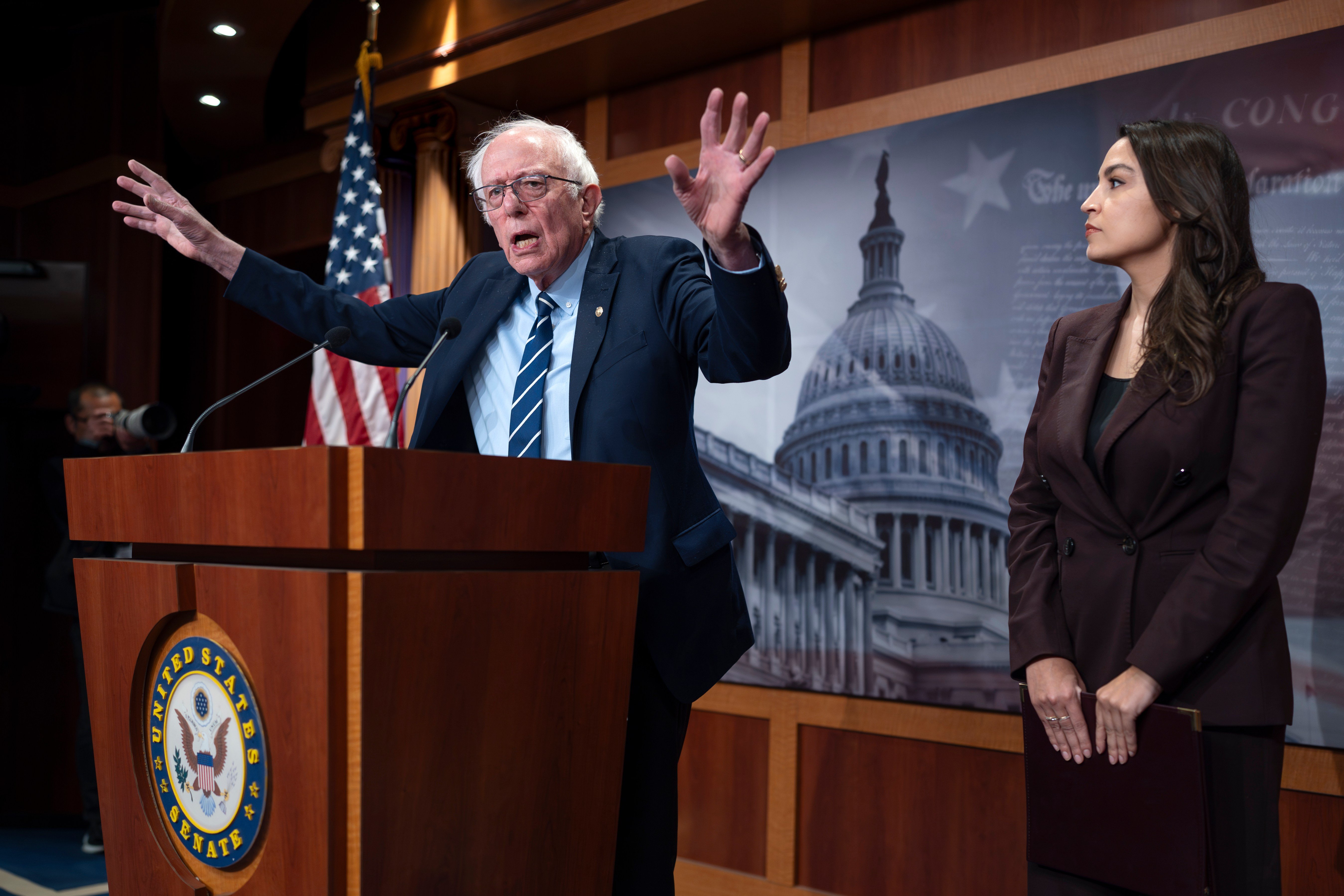
With the country facing a daunting agenda—soaring gas prices, the ongoing conflict in Iran, and the rapid expansion of artificial intelligence—Congress remains on recess, its members out on the campaign trail. Meanwhile, long-term issues like immigration, healthcare, and housing affordability continue to fester. The public's frustration is palpable: only 16 percent of Americans approve of Congress's job performance.
Critics often accuse lawmakers of prioritizing social media clout and partisan theatrics over governance. But a new report from the American Enterprise Institute and the Stavros Niarchos Foundation Agora Institute at Johns Hopkins argues that this behavior is not irrational. Rather, it is a calculated response to the incentives embedded in our electoral system.
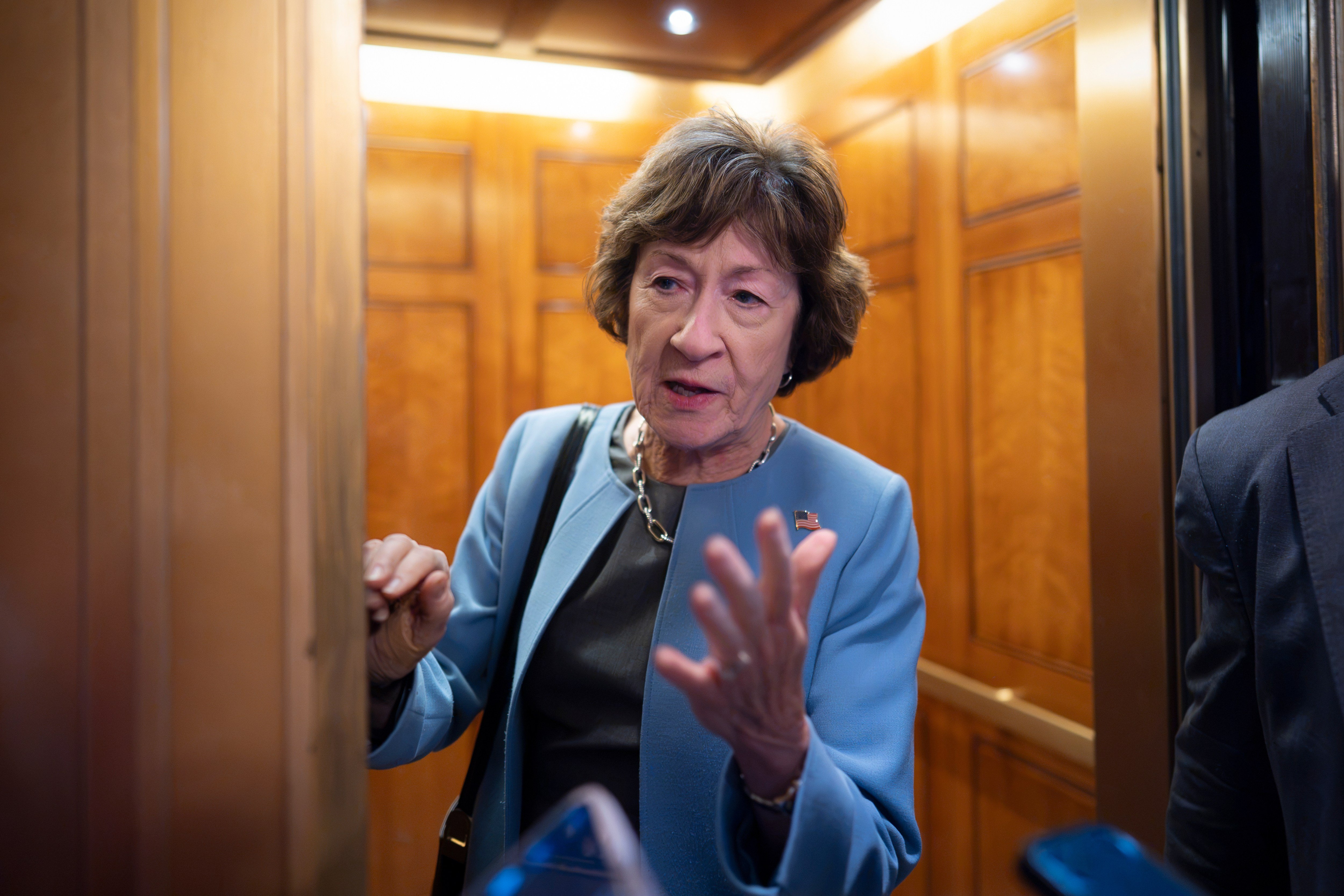
Legislators are strategic actors, the report contends. Their primary goal is re-election, and they are rational to focus on fundraising and campaigning rather than on the hard work of legislating. Crafting good policy is difficult, and the definition of "good" is itself contested. Even when a bill can clear the House, Senate, and presidency, the fear of voter backlash for cross-party compromise often kills it.
Instead, members return home to claim credit for popular outcomes, like the rise in median household income, and blame the other party for unpopular ones, such as high interest rates. Voters' grumbling won't change this calculus, and simply "throwing the bums out" has proven ineffective—control of Congress has flipped repeatedly over the past three decades without fixing the underlying dysfunction.
The report identifies two key drivers of this perverse incentive structure. First, primary elections are a major culprit. Only about 20 percent of voters participate in primaries, and those who do tend to be more ideologically extreme and often single-issue voters, particularly on abortion, guns, or transgender rights. This pushes candidates to the far left or right and discourages moderation and bipartisan bargaining. It also rewards those who can raise money from deep-pocketed interest groups.
Second, the report points a finger at the American electorate itself. Fewer than half of eligible voters turn out for midterms, and despite a growing number of independents, ticket-splitting has nearly vanished. In 2024, only 16 of 435 House districts voted for a presidential candidate of one party and a House candidate of another, compared to over 100 districts in every election from 1972 to 1996. Polls show that a majority of Democrats and Republicans view the other side as "downright evil," even though Americans are not as polarized as they think.
The report suggests that reforming or replacing primary elections with systems that encourage broader participation—such as ranked-choice voting or open primaries—could realign incentives. It also calls on voters to show up and to resist the pull of extreme partisanship.
Ultimately, the authors argue, the U.S. is a representative democracy, and the Congress we get is the one we choose. Changing that outcome requires changing the rules of the game.
Scott Warren is a professor of practice at the Stavros Niarchos Foundation Agora Institute at Johns Hopkins University. Kevin R. Kosar is a senior fellow at the American Enterprise Institute. They are the authors of the report on electoral incentives and congressional performance.