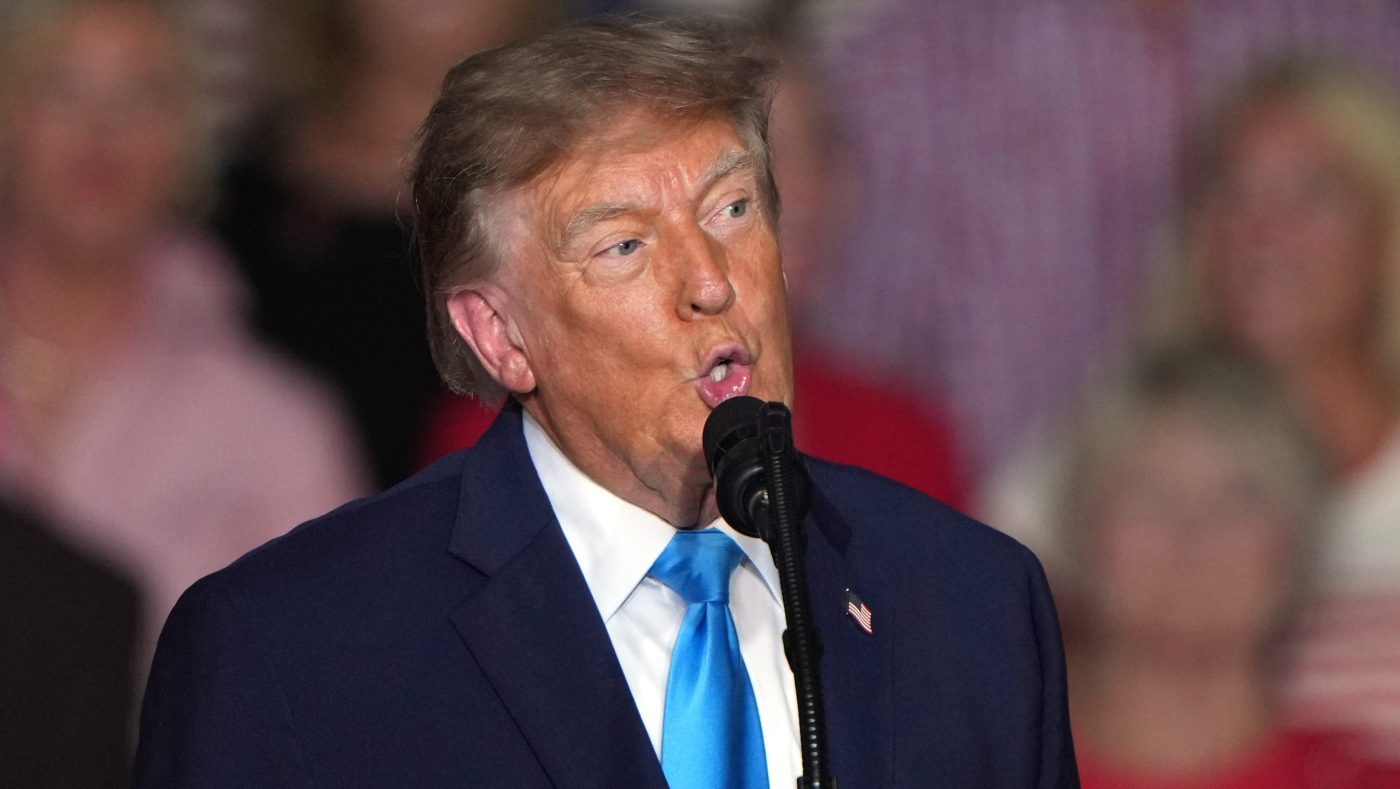
The White House confirmed Tuesday that President Trump will not reimburse the federal government for the cost of political television ads already aired, even though he said Monday he would personally fund such spots going forward.
Trump's announcement on Truth Social that he would pay for the “Patriotic Ads” himself came after bipartisan criticism over using taxpayer money for what many view as campaign-style messaging. But a White House official told NewsNation that the president's statement was not about refunding past expenditures, saying, “The President’s Truth was not referring to reimbursement.”
The ads, part of a $20 million campaign, feature Trump's voice declaring that the country will “defeat socialism and communism.” Democrats and some Republicans have slammed the use of federal funds for such messaging, arguing it is political in nature.
White House officials have defended the ads as non-political, noting that Trump is not on the ballot and the spots lack a call to action. Vice President Vance echoed that defense, pointing to the Obama administration's use of taxpayer money to promote the Affordable Care Act as precedent. “It’s part of, actually, I think, living in a constitutional republic,” Vance told reporters. “You have to be honest with the American people about what you’re doing, about what’s going on.”
FCC Chairman Brendan Carr said the ads don't raise any regulatory red flags, stating there is nothing that “strikes me as out of the ordinary or that would merit any sort of FCC review.”
Despite the administration's stance, public sentiment appears to be against the move. A recent poll found 86% of respondents reject the use of taxpayer money for these ads, underscoring the political risk for the White House.
The controversy adds to a pattern of Trump's provocative statements drawing scrutiny. Earlier, the White House defended Trump's Iran remarks aimed at California cities, which critics called inflammatory. And in a separate episode, California Governor Gavin Newsom called Trump 'deranged' over those threats.
As the administration navigates these flashpoints, the non-reimbursement decision is likely to fuel further debate over the appropriate use of public funds for presidential messaging, especially as the midterm elections approach.