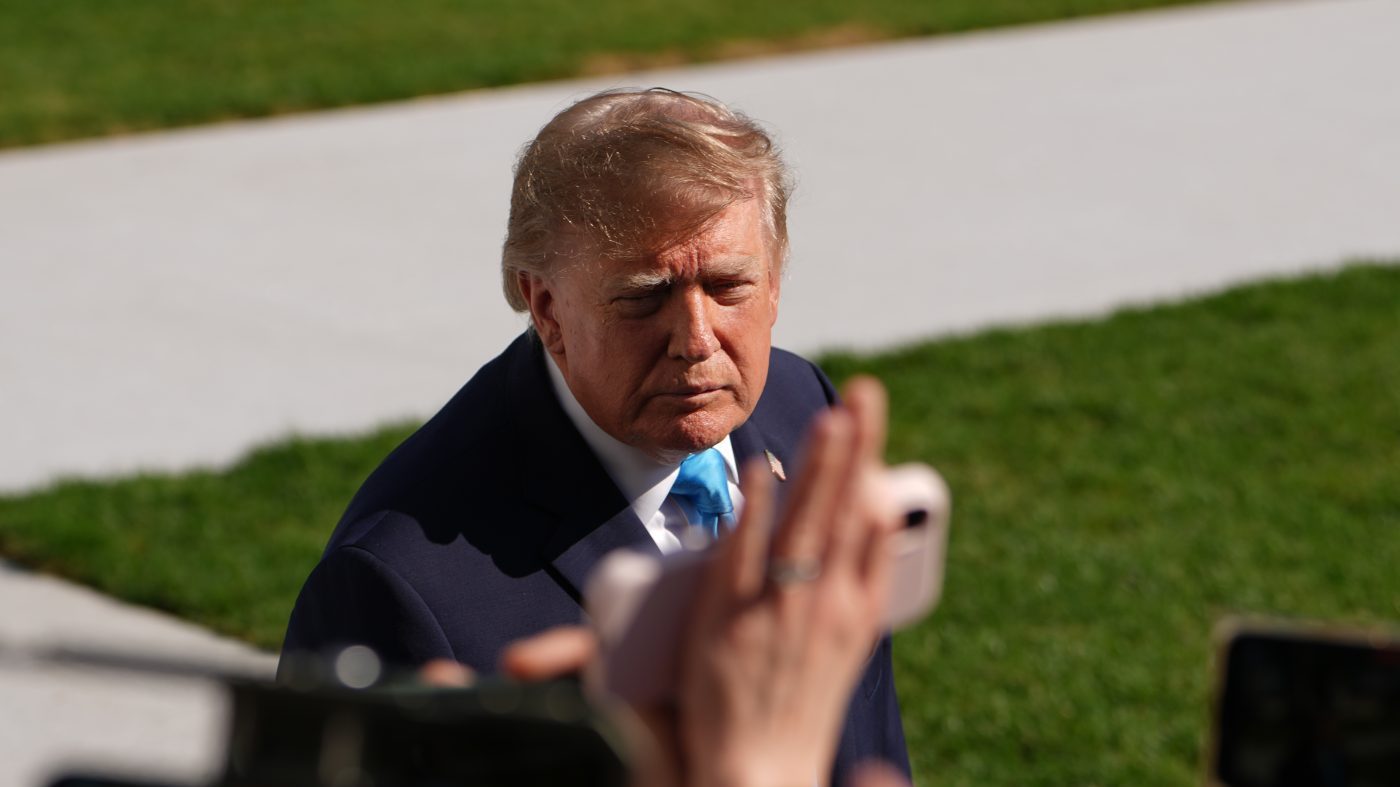
A sweeping majority of Americans consider the Trump administration's decision to spend taxpayer dollars on campaign-style television advertisements inappropriate, according to a Reuters/Ipsos poll released Monday. The survey found that 86% of U.S. adults disapproved of using public funds for the $20 million ad buy, with only 9% expressing support.
The 30-second spot, which features a voiceover of President Trump decrying communism, socialism, and Marxism, was initially funded by federal agencies. After bipartisan criticism, including from Republican allies, Trump announced on Monday that his super PAC, MAGA, Inc., would cover the cost of future "Patriotic Ads."
Senate Majority Leader John Thune (R-S.D.) told reporters last week that while the ad carried a "great message," he objected to the use of taxpayer money. GOP Sen. Mike Rounds (S.D.) echoed that sentiment, saying it was "not something I would have done."
"I just don't think it's right to be using taxpayer money in that way," Rounds said. "I think they need to rethink that strategy."
Richard Painter, who served as chief White House ethics lawyer under President George W. Bush, went further, suggesting that the use of taxpayer funds for such ads could constitute "an impeachable offense."
In a post on Truth Social, Trump defended the ads as "a positive promotion for our Great U.S.A." but conceded to the backlash. "The Radical Left is upset with the fact that I am taking Ads... and paying for them with U.S.A. money," he wrote. "I have decided to do the Patriotic Ads, among others, and pay for them myself, and with money I raised for MAGA, Inc."
The controversy comes amid broader debates over presidential overreach and spending. The poll also found that 72% of Americans disapprove of naming federal institutions after a sitting president, a practice the Trump administration has pursued with venues like the Kennedy Center and the U.S. Institute of Peace. This aligns with growing concerns about executive power, as seen in recent clashes over Trump's approval ratings and midterm prospects.
The Reuters/Ipsos survey, conducted from Sept. 30 to Oct. 5 among 4,506 U.S. adults, has a margin of error of approximately 2 percentage points. The findings underscore the political risk for Republicans as they head into the midterms, with Trump's turnout paradox potentially energizing Democratic voters more than GOP base.
Trump's decision to personally fund the ads may not fully quell criticism, as Democrats and ethics watchdogs continue to question the administration's use of public resources for political messaging. The episode highlights the ongoing tension between the White House and fiscal conservatives, a dynamic that could shape legislative battles in the coming months.