The 2026 midterm season has officially entered its decisive phase. Early voting is already underway in six states, and by the end of next week, that number will climb to 19. A torrent of ballots—eventually exceeding 100 million—is building from these early streams, with roughly half expected to be cast before Election Day on November 3. The machinery of democracy is humming, but the critical question is which party benefits from this surge.
Midterms traditionally operate on subtraction. The 2024 presidential election saw 155.5 million valid ballots, about 64 percent of eligible voters. Historically, midterm turnout runs about a third lower than presidential cycles, suggesting a respectable 103 million votes this year. But that baseline may not hold, given the unique dynamics of the Trump era.
The record-shattering turnout of 2020—over 68 percent of eligible voters, the highest since the Voting Rights Act—was largely a pandemic phenomenon. Expanded mail-in voting and early access made casting a ballot easier, while a nation in turmoil and with ample time on its hands drove participation. Yet the pre-pandemic 2018 midterms were equally remarkable, with roughly half of eligible voters showing up—a level not seen in midterms since the 1980s and 1990s. The lesson: when voters are angry or energized, they turn out; when content, they stay home.
Turnout dipped to 45 percent in 2022, closer to the historical midterm norm of the low 40s, but still far above the dismal 34.4 percent of 2014. That 2014 figure was a shrug from the Obama coalition, contributing to a 30-seat GOP House majority and nine Senate flips—the most since 1946. It was a foreshadowing of 2016, when Democratic complacency and disillusionment helped deliver the presidency to Donald Trump.
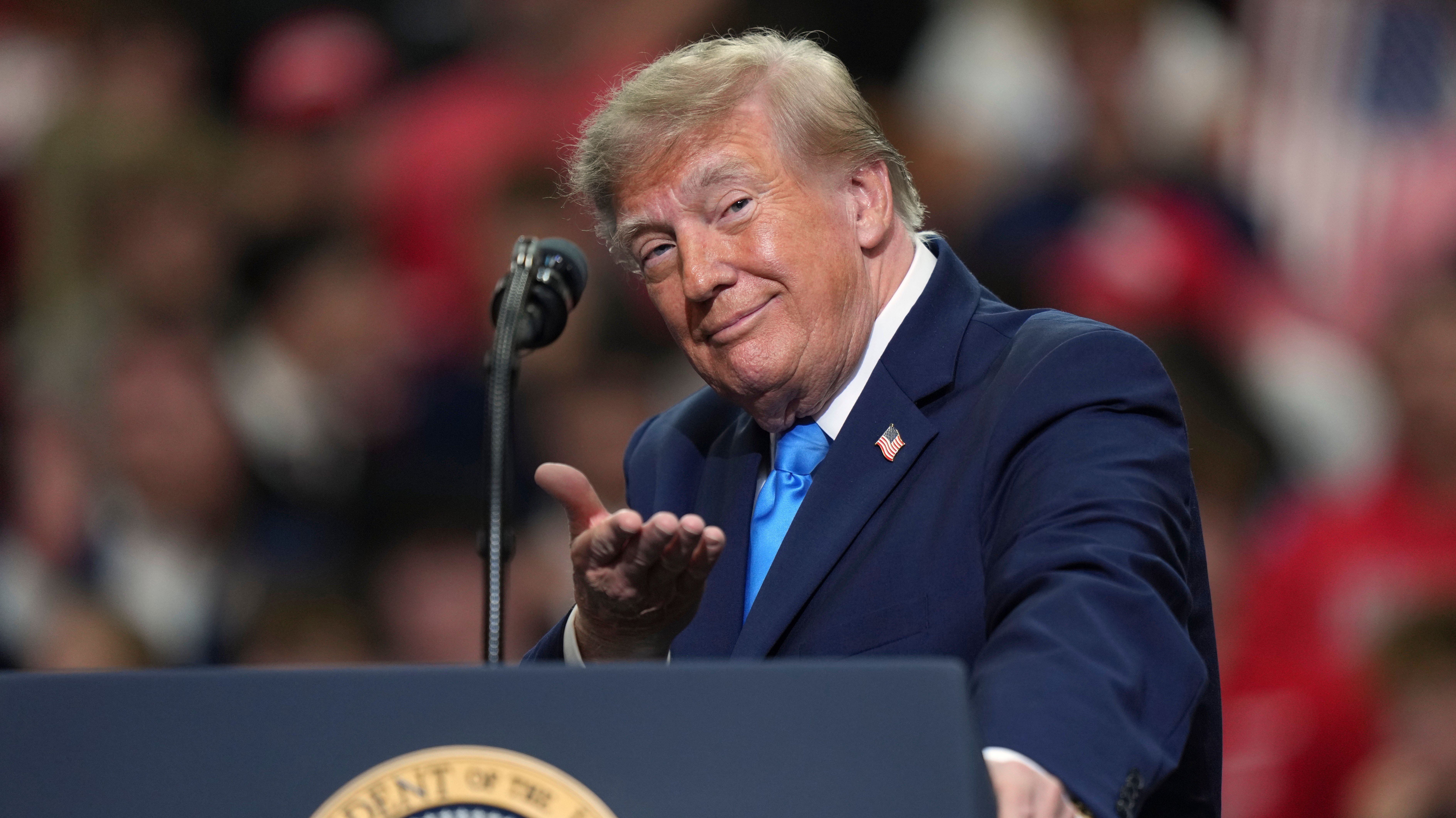
Since then, Trump has become the single greatest mobilizing force in American politics—for both sides. His polarizing presence pulls low-propensity white working-class voters to the polls in his favor, while simultaneously driving college-educated suburbanites, who despise him, to vote in droves against him. This dynamic has defined every election since 2018, and the 2026 midterms are no exception.
Republicans are acutely aware that a typical midterm dropoff—perhaps 42 million fewer votes than 2024—would disproportionately hit their base. That is why Trump is deploying unprecedented measures: using federal funds for self-promotional ads, sending direct payments to voters, and promising more if the GOP retains power. He is campaigning in solidly red states as if he were on the ballot himself, hoping to stave off a collapse like the ones that hit George W. Bush in 2006 and Obama in 2010 and 2014.
But the GOP's nightmare scenario is a second-midterm dropoff for Trump's coalition, compounded by a Democratic base more energized than in 2006 or even 2018. Primary turnout, a reliable predictor of general election partisan enthusiasm, tells the story: in 2018, Democrats led Republicans by 8 points in primary participation; this year, that gap has widened to 11 points. Every available metric suggests a blue wave is already forming.
Democrats are also capitalizing on policy advantages, as recent polling shows they hold a trust edge over Republicans on health care costs—a key issue for voters. Meanwhile, Trump's controversial moves, such as his personal funding of 'Patriotic Ads' and his executive order on diesel fuel taxes, are unlikely to shift the fundamental enthusiasm gap. Even his attack on a Senate rival in a tightening race underscores the intensity of the moment.
The question is not whether Democrats will vote in high numbers—they will. The uncertainty lies in whether Republicans can match that intensity. With early ballots already being cast, the answer may soon be written in the returns.