The Biden administration has formally declined an offer from billionaire Elon Musk to personally pay the salaries of Transportation Security Administration agents who have been working without pay for over a month due to the ongoing Department of Homeland Security funding lapse. White House officials cited significant legal and contractual conflicts as the primary reason for rejecting the proposal from the world's wealthiest individual.
Legal Barriers Cited as Insurmountable
White House spokeswoman Abigail Jackson stated that while the administration "greatly appreciates" Musk's generous offer, accepting it would "pose great legal challenges due to his involvement with federal government contracts." The statement highlights the complex web of regulations governing private payments to federal employees, particularly when the benefactor maintains substantial business relationships with multiple government agencies.
Jackson emphasized that the administration views congressional action as the only legitimate solution to the payroll crisis, stating: "The fastest way to ensure TSA employees — and all DHS employees — get paid is for Democrats to fund the Department of Homeland Security." This position reflects the administration's strategy of maintaining pressure on Congress to resolve the funding impasse that has now stretched past 40 days.
Musk's Public Offer and Political Reactions
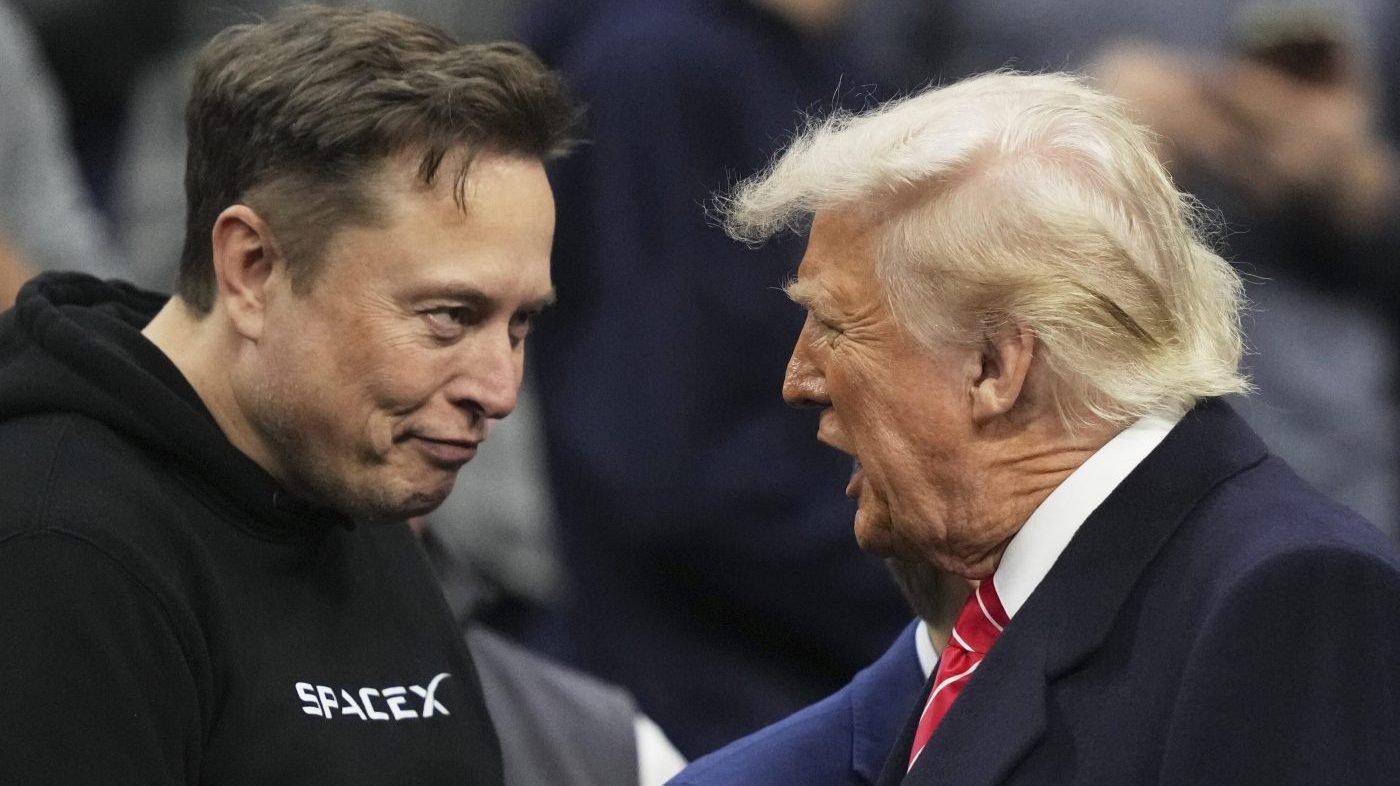
Musk, who leads Tesla and owns social media platform X, made his offer publicly on Saturday, writing: "I would like to offer to pay the salaries of TSA personnel during this funding impasse that is negatively affecting the lives of so many Americans at airports throughout the country." The proposal came as DHS officials warned that extended unpaid work was pushing security agencies toward a 'tipping point' with growing attrition among frontline personnel.
The offer generated immediate political reactions, with former President Donald Trump telling reporters on Monday that he would "love it" if Musk paid the agents' salaries. "I think it's great, let him do that," Trump said, creating a contrast with the administration's position. The former president's comments came as he deployed ICE officers to supplement airport security during the shutdown, a move that has generated its own political and legal controversies.
Broader Shutdown Context and Congressional Stalemate
The DHS shutdown, now in its second month, has left approximately 50,000 TSA agents and thousands of other Homeland Security employees working without pay. The funding lapse represents the longest in the department's history and has created operational challenges across aviation security, border protection, and emergency management functions.
Congressional efforts to resolve the standoff have repeatedly stalled, with both parties facing internal resistance to proposed funding agreements. The deadlock centers on policy riders related to border security measures and immigration enforcement, with neither side showing willingness to compromise on core priorities. House and Senate committees are scheduled to hear detailed testimony from DHS officials about the operational impacts of the prolonged funding gap.
The rejection of Musk's offer underscores the administration's commitment to established budgetary processes, even as creative solutions emerge from the private sector. It also highlights the unusual intersection of billionaire philanthropy, government contracting rules, and political messaging during a protracted governmental crisis. As the shutdown continues, pressure mounts on both the executive and legislative branches to find a sustainable resolution before critical security functions are compromised.