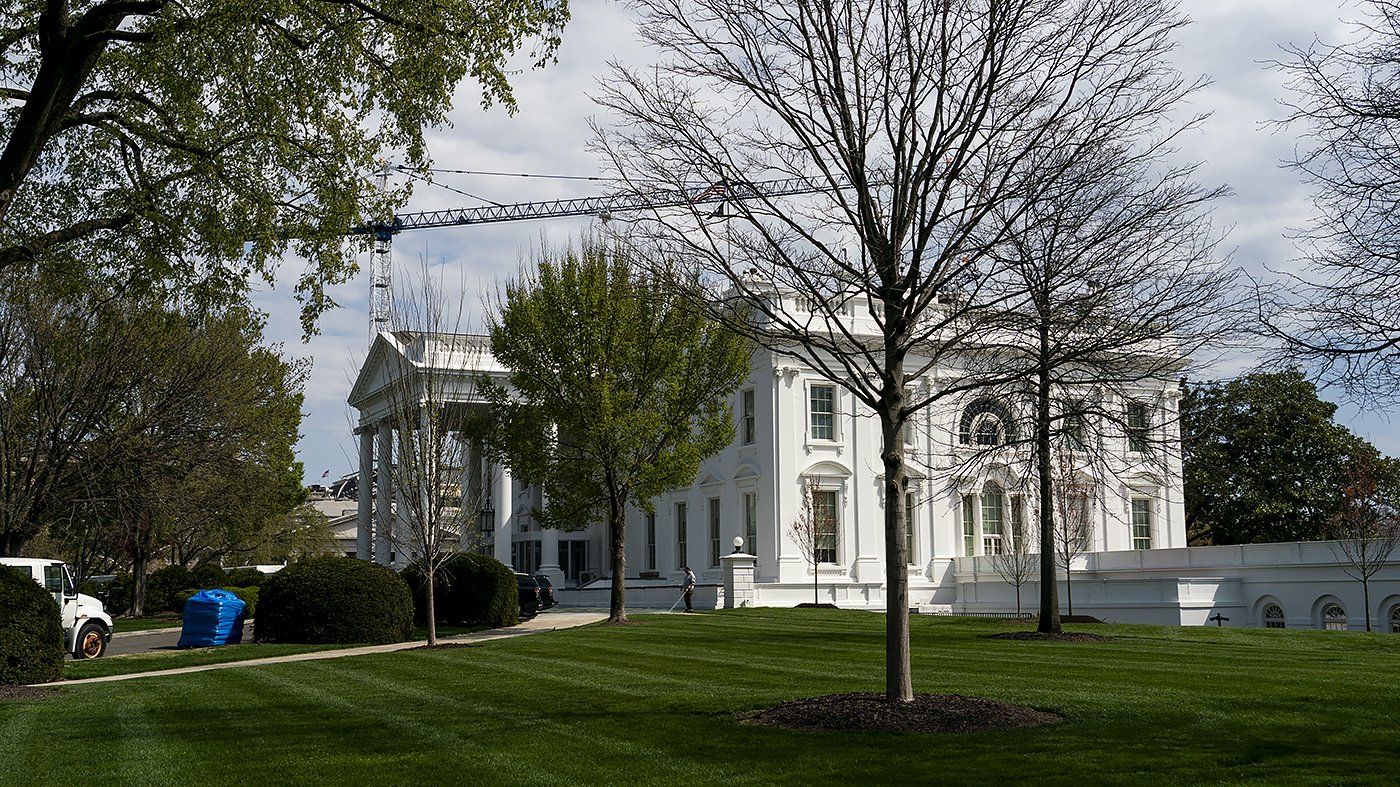
The White House circulated an internal warning last month, explicitly directing staff not to exploit confidential government information for personal financial gain in securities markets. This directive follows multiple reports detailing highly profitable and suspiciously timed trades connected to the ongoing military and diplomatic developments in the U.S.-Iran conflict.
A senior administration official confirmed to The World Signal that the ethics reminder was distributed via email to personnel. The communication reinforced existing federal statutes that strictly prohibit executive branch employees from leveraging nonpublic intelligence for profit or engaging in gambling activities on federal property.
Administration Responds to Trading Scrutiny
In an official statement, White House spokesperson Davis Ingle sought to frame the warning as a proactive measure. "President Trump has been crystal clear: while he seeks a strong and profitable stock market for everyone, members of Congress and other government officials should be prohibited from using nonpublic information for financial benefit," Ingle stated. He added that the administration operates under stringent ethics rules and dismissed any suggestion of wrongdoing by officials as "baseless and irresponsible reporting."
The internal memo specifically referenced recent media investigations into potential market manipulation. According to these reports, traders appear to have acted on foreknowledge of significant geopolitical events, reaping substantial windfalls.
Suspicious Activity on Prediction Markets
One account on the prediction market platform Polymarket reportedly netted over $550,000 from a series of wagers concerning Iran and its late Supreme Leader, Ayatollah Ali Khamenei. These bets were placed just before U.S. airstrikes in late February that resulted in Khamenei's death. In a separate incident, several newly created accounts on the same platform wagered on the likelihood of a U.S.-Iran ceasefire mere hours before President Trump publicly announced a two-week pause in hostilities, collectively earning hundreds of thousands of dollars.
This pattern of activity raises profound questions about the security of sensitive information and the potential for its illicit use in emerging, lightly regulated financial venues like prediction markets.
Oil Markets Under the Microscope
Scrutiny has also extended to traditional commodities markets. Last month, traders placed approximately $580 million in bets on crude oil futures contracts a mere fifteen minutes before President Trump posted on social media about productive negotiations with Iran, a development that would significantly impact global oil prices. The narrow window between these trades and the public announcement has drawn attention from financial regulators.
These incidents occur against the volatile backdrop of the U.S.-Iran confrontation, a situation where the administration's strategic posture has drawn comparisons to historical doctrines and where officials like Senator JD Vance have publicly labeled the current ceasefire as 'fragile'.
The White House warning underscores the persistent ethical challenges within the upper echelons of government, where personnel routinely handle world-moving information. While the administration maintains that no evidence implicates its staff, the directive serves as a stark reminder of the legal and reputational perils at the intersection of confidential statecraft and financial markets.