The White House pushed back Monday against a report suggesting that President Trump's decision to temporarily suspend higher tariffs on ground beef imports was influenced by a Brazilian billionaire with ties to the world's largest meatpacker.
A White House official told News Nation that the president's action to address a short-term supply crunch in the beef market came out of a “long policy planning and coordination process involving domestic stakeholders,” and was “not done as the result of any one conversation.” The official added that the administration remains focused on helping American farmers and ranchers rebuild the nation's cattle herd, which is at a multi-decade low.
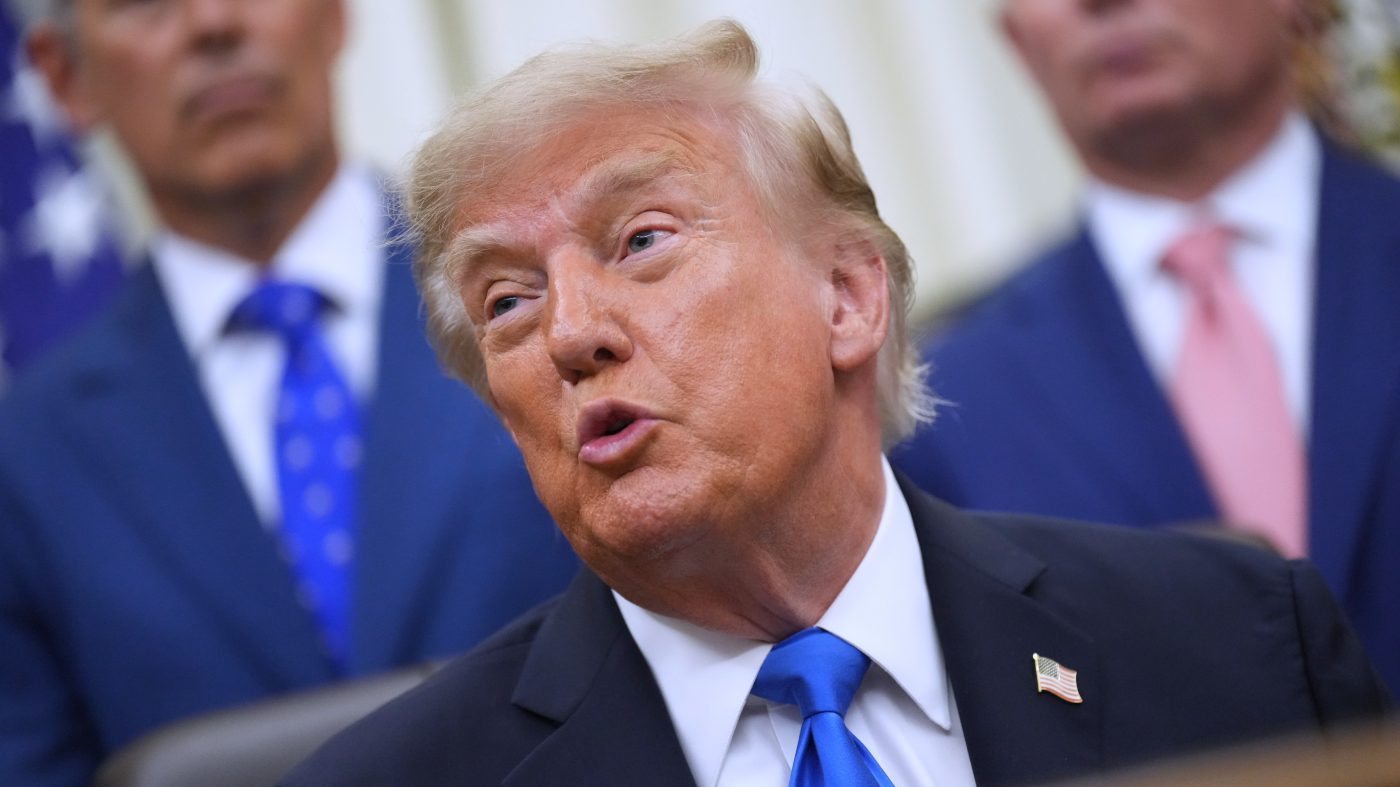
Trump announced Friday on social media that he would suspend tariffs on ground beef imports for 90 days, allowing up to 300,000 metric tons of product to enter at a 25 percent discount below market price. The president said the move was designed to “substantially lower the price of ground beef for working American families” and give the domestic herd room to grow.
The decision drew immediate criticism from some GOP lawmakers, including Montana Republican Senator Steve Daines, who said the pause already hurts ranchers. When asked at Joint Base Andrews which countries would supply the beef, Trump said, “There are a few countries, but they’re going to be sending in the highest quality beef, and it’s something that we need.”
According to a Wall Street Journal report published Monday, Trump met with Joesley Batista, who shares control of JBS, in the Oval Office on Aug. 20. The report, citing people familiar with the matter, said Batista lobbied Trump to drop the 26 percent import tax as a way to address rising food costs. JBS controls Pilgrim’s Pride, the second-largest U.S. chicken processor, which contributed $5 million to Trump’s inauguration, making it the largest donor.
Batista and his brother Wesley were fined $256 million in 2020 by the Justice Department for violating the Foreign Corrupt Practices Act. They admitted to using funds from a bribery scheme to expand JBS’s U.S. operations and to spending roughly $150 million to bribe more than 1,800 Brazilian officials to secure $1.3 billion in loans from state banks.
The White House did not address the specifics of the Batista meeting in its statement, but the official emphasized that the policy decision was routine. “At the same time, the Trump Administration continues to work with American farmers and ranchers to grow America’s cattle herd,” the official said.
This is not the first time Trump’s trade decisions have raised questions about outside influence. Earlier this year, he convened travel industry leaders at the White House to discuss policy, and his administration has faced scrutiny over meetings with business executives. The president’s tariff pause also comes as his broader trade agenda has created uncertainty for agricultural markets, and some Republicans worry about the political fallout heading into the midterms.
For consumers, the move could offer temporary relief at the grocery store, but analysts note that the long-term impact on domestic beef prices remains unclear. The administration argues the pause is a stopgap while the herd rebuilds, but critics question whether the policy benefits foreign producers more than American ranchers.