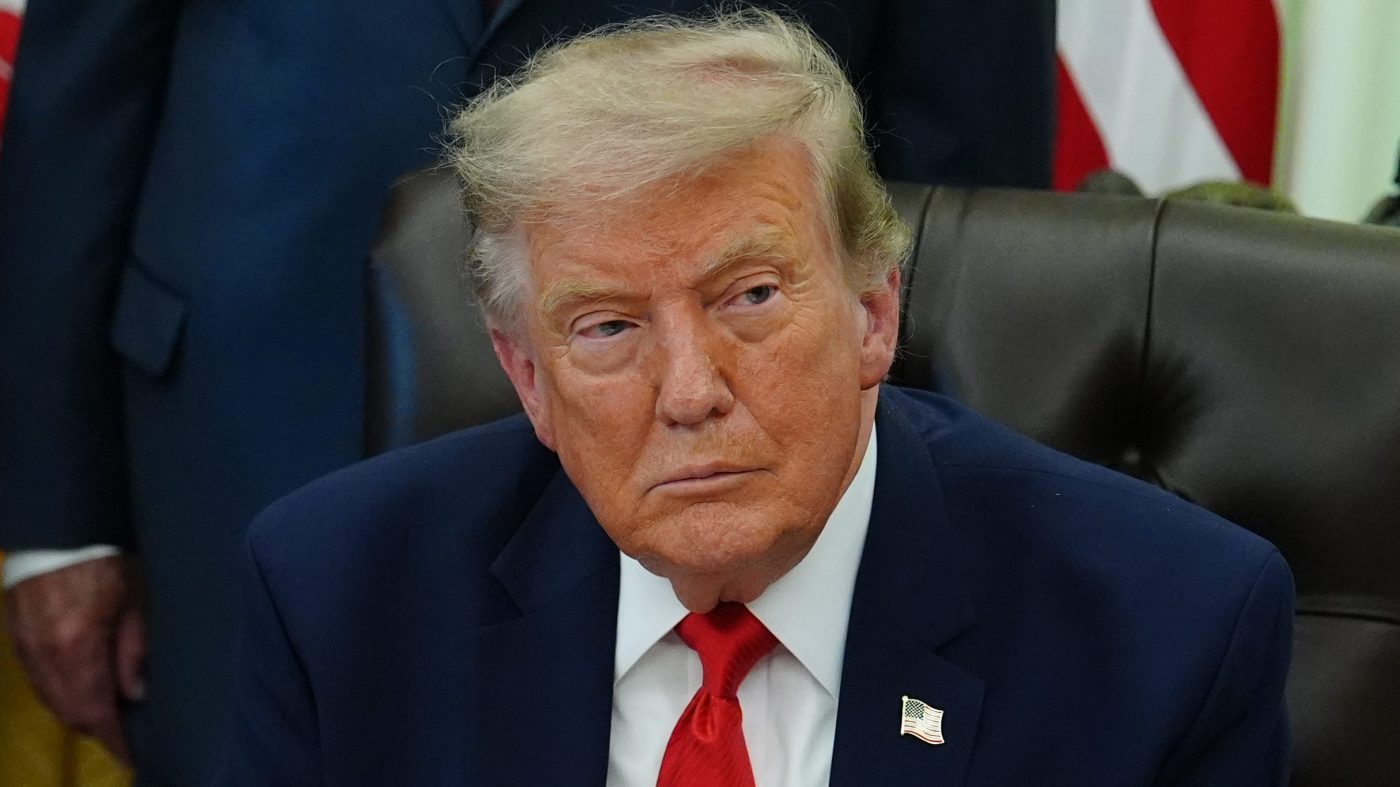
President Trump convened a group of top U.S. travel industry executives at the White House on Wednesday afternoon, a session that drew attention to the administration's focus on the sector's recovery and infrastructure needs. Transportation Secretary Sean Duffy was also slated to attend, according to the White House schedule.
The meeting, which was open to the press for the opening remarks, comes as the travel and tourism industry continues to navigate post-pandemic challenges, including fluctuating demand, labor shortages, and rising operational costs. Executives from major airlines, hotel chains, and hospitality groups were among those present, though the White House did not immediately release a full participant list.
Trump's engagement with travel leaders underscores his broader economic agenda, which has prioritized deregulation and infrastructure investment. In recent weeks, the president has also made headlines for his dominant messaging strategy that has shaped political discourse ahead of the 2026 midterms.
The meeting also comes amid a series of policy moves by the administration that have touched on international affairs, including escalating strikes in Iran and a Venezuela oil deal that has reshaped energy politics in the hemisphere. These issues could indirectly affect travel demand, particularly for international routes.
Industry observers note that the travel sector is a significant driver of the U.S. economy, supporting millions of jobs and generating billions in revenue. Executives are likely to lobby for policies that ease visa processing, modernize airports, and enhance infrastructure—areas where Duffy's department plays a central role.
Duffy, who was confirmed as Transportation Secretary earlier this year, has been a key figure in the administration's efforts to overhaul the nation's transportation systems. His presence at the meeting signals that the White House is looking to align travel industry priorities with federal infrastructure plans.
No formal announcements were expected after the meeting, but the gathering provides a platform for executives to voice concerns directly to the president. In the past, such meetings have led to executive orders or policy shifts, particularly when they involve key industries.
The meeting also comes as the administration faces scrutiny over its handling of trade issues, including a recent tariff pause that has already hurt some ranchers, as reported by Montana Republicans. Travel executives may seek assurances that similar disruptions will not affect their sector.
As the afternoon session got underway, the White House released a brief statement saying the president looks forward to a productive discussion on strengthening the travel industry and creating jobs. The statement did not specify a timeline for any follow-up actions.
This is a developing story, and more details are expected to emerge as the meeting concludes.