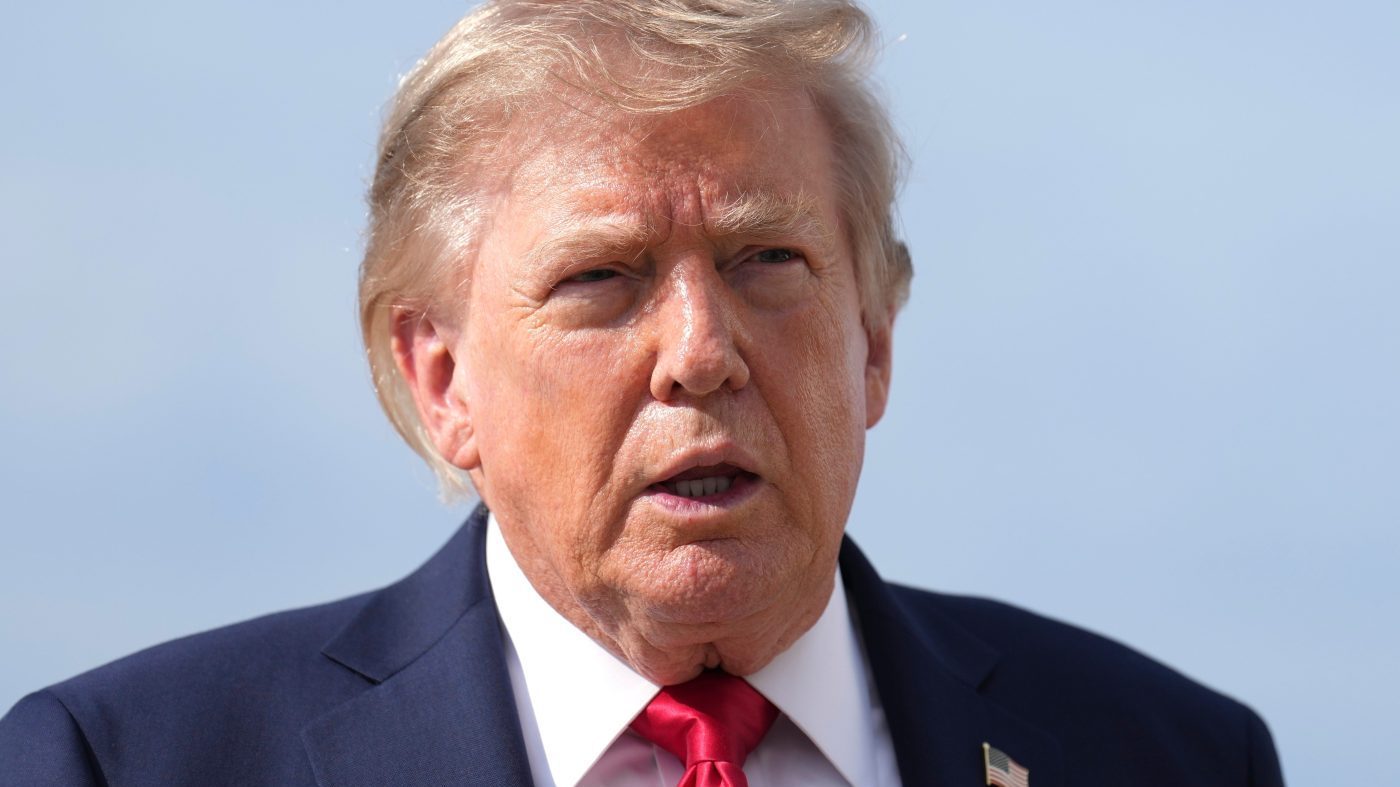
President Donald Trump on Tuesday questioned when the Iranian people would take up arms against their government, while dismissing reports that the United States is seeking to force Tehran into negotiations as the conflict enters its seventh month.
In a post on Truth Social, Trump said he "couldn't care less" whether Iran agrees to a deal with Washington, directly rebutting a report from ABC News that the administration is intensifying economic pressure to bring Iran to the table. The report cited Treasury Secretary Scott Bessent, who told Fox Business that the U.S. would "economically asphyxiate Iran and force them to the bargaining table."
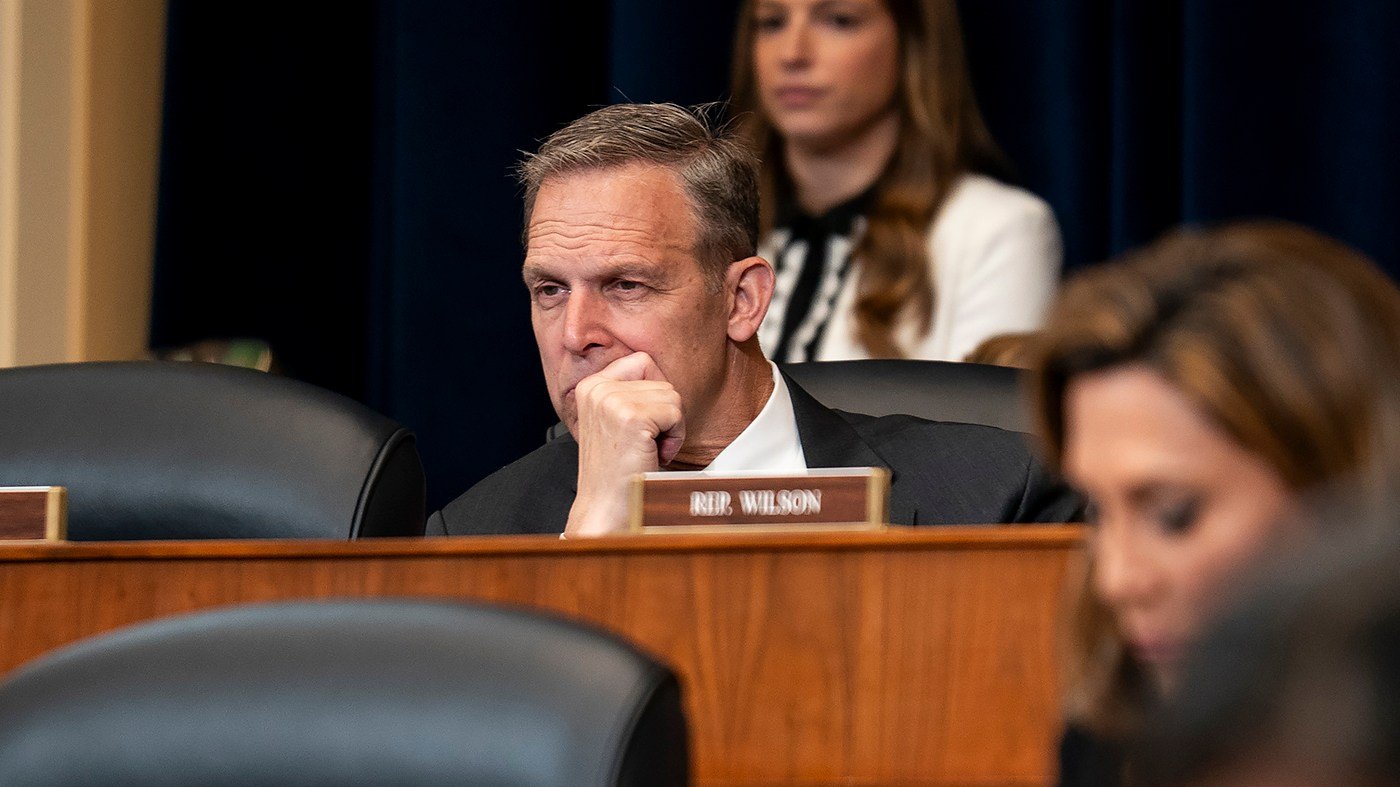
Bessent has repeatedly linked the administration's economic campaign to reviving talks after a signed memorandum of understanding between the two nations failed to hold. On Monday, he suggested Iran's economy could collapse "within weeks or months," though he added that a full collapse might not be necessary if Iranian leaders "come to their senses." He also threatened additional sanctions on Iranian banks and warned that foreign financial institutions continuing to do business with Tehran could face consequences.
Trump, however, said Tuesday evening that he prefers the current situation, reinforcing his earlier stance that an agreement with the regime is not a priority. "I like our position now much better, with almost total control of the Hormuz Strait, and their economy totally collapsing," he wrote. "They are just playing out the inevitable." He then added, "When are the Iranian people going to rise up and fight?"
The president's remarks came as U.S. forces launched a new round of strikes on Iran, targeting air defenses and other military assets. The strikes were in response to Iranian attacks on U.S. military positions in Jordan and on commercial shipping in the Strait of Hormuz. Trump warned Tehran earlier Tuesday that any retaliation would be met with "much harder and higher level" force.
Despite those warnings, Iran fired missiles and drones at U.S. military assets across the Middle East early Wednesday, including in Kuwait, Bahrain, Jordan, and Iraq. The escalation underscores the fragility of the region and raises questions about the administration's strategy of maximum pressure.
Critics, including some former officials, have argued that the administration's approach risks further destabilizing the region. A recent ACLU lawsuit challenges the legality of Trump's deadly boat strikes, adding to legal scrutiny of the military campaign. Meanwhile, some observers note that Trump's threats have lost their bite as allies and foes tune him out, suggesting that his blunt rhetoric may not translate into effective policy.
The ongoing conflict has also drawn comparisons to historical patterns, with commentators noting that Trump and Putin share a blind spot for unwelcome war news, potentially skewing their decision-making. As the war grinds on, the administration faces mounting pressure to clarify its endgame, even as Trump insists that the current posture is preferable to any negotiated settlement.
With Iran's economy in freefall and U.S. forces engaged in daily strikes, the question of when—or if—the Iranian people will respond to Trump's call remains unanswered. For now, the administration appears committed to a strategy of maximum economic and military pressure, with little sign of a diplomatic off-ramp.