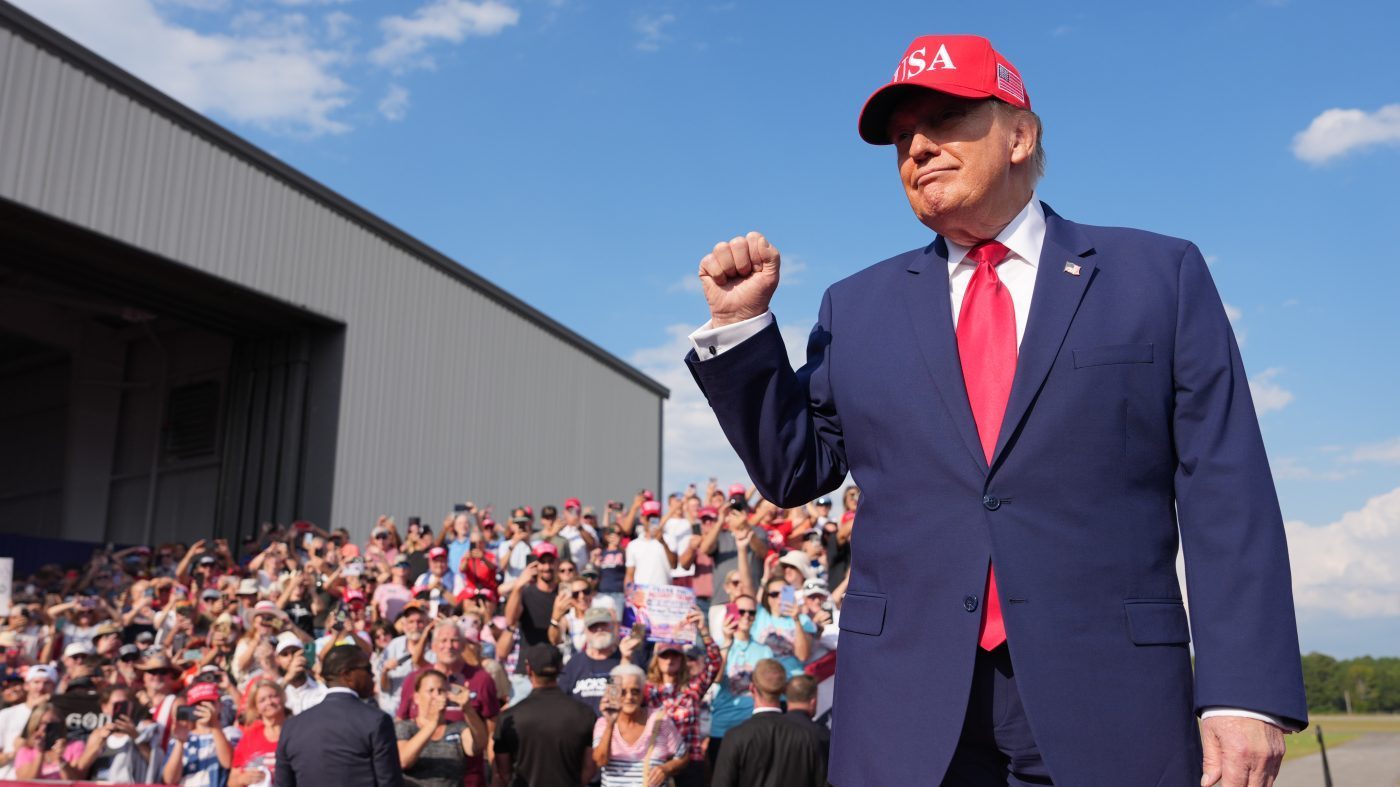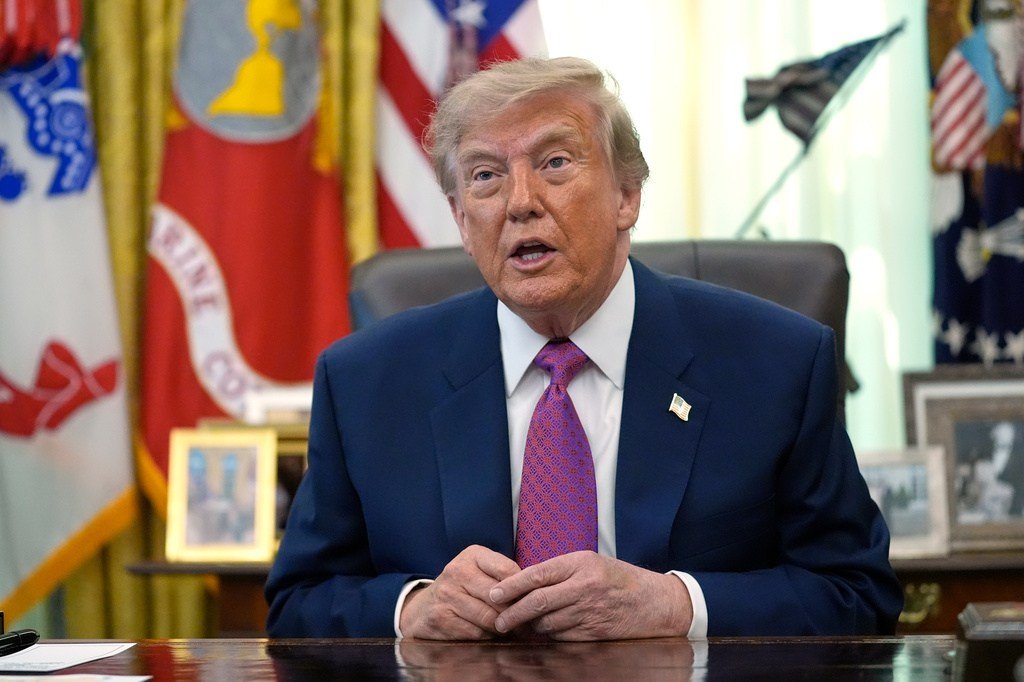
President Trump's second-term strategy of issuing threats and ultimatums to both allies and adversaries is backfiring, as the targets of his bluster increasingly ignore him. The once-feared power of the American presidency, which historically commanded respect on the world stage, has been diminished by a leader whose words no longer carry weight.
In his first term, Trump's aggressive posturing was tempered by senior advisers who understood the importance of restraint. That restraint lent credibility to his threats, making them appear as calculated pressure rather than impulsive outbursts. But in his second term, with a cabinet of loyalists and enablers, there is no one to rein him in, and the result is a foreign policy that relies on bluster without substance.
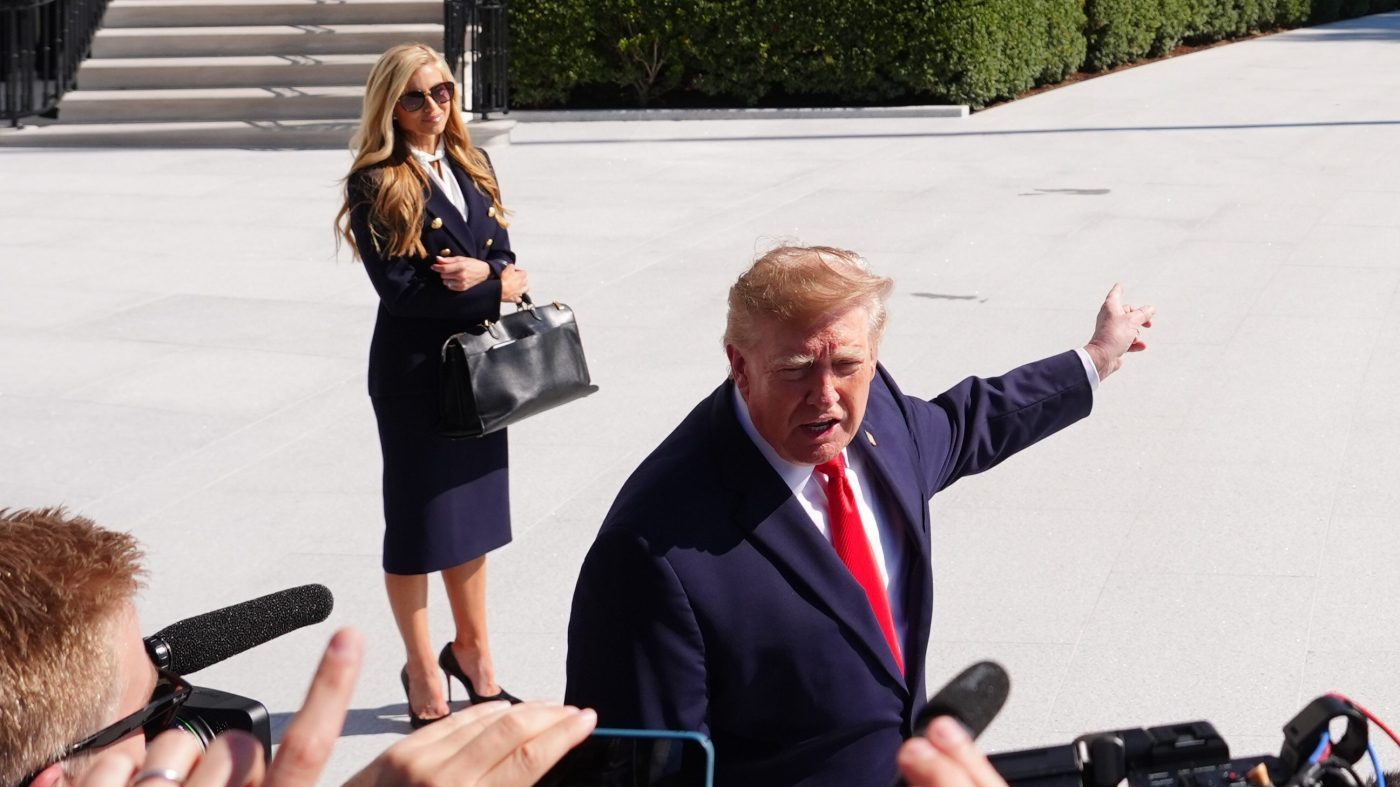
The administration's approach to Iran is a prime example. Despite months of threats about bombing and destruction, Iran has not capitulated. Instead, Tehran has chosen to wait out Washington, betting that the economic pain of sanctions and the risk of military escalation will force the U.S. to blink first. The administration's new strategy, dubbed "Operation Economic Outcast," has so far failed to bring Iran to the negotiating table, and the U.S. is now scrambling to manage rising oil prices and a dwindling supply of missile interceptors.
Similarly, Trump's trade war with Canada has backfired. Canadian leaders and citizens have responded with defiance, laughing off the tariffs and the president's absurd suggestion to rename Lake Ontario, a move that has only made the U.S. look petty. The Lake Ontario renaming proposal has become a symbol of the administration's unserious approach to diplomacy.
The problem is not just that Trump's threats are empty; it's that they are being ignored. Polls show his approval rating at historic lows, and even allies are tuning him out. When the president threatens NATO allies, they no longer rush to increase defense spending out of fear; they simply dismiss it as the ranting of a man who cannot be taken seriously.
This erosion of credibility is a sharp contrast to past presidents. Ronald Reagan's famous challenge to Mikhail Gorbachev to "tear down this wall" was effective because it was delivered with firmness but also with the understanding that the U.S. had the strength to back it up. George W. Bush, even in the aftermath of 9/11, spoke with gravitas and restraint. Trump, on the other hand, has picked fights with everyone from the Pope to kindergarteners, and his threats have become as empty as a drained reflecting pool.
The lack of restraint is not just a personal failing; it is a strategic liability. A president who cannot control his emotions or his words is a president who cannot project strength. The world has learned to ignore him, and that is a dangerous development for U.S. interests. As Putin and Trump share a blind spot for unwelcome war news, the international community is increasingly looking past Washington's bluster and focusing on the reality that American power is being squandered.
In the end, Trump's tough talk has become nothing more than saber-rattling with a plastic knife. The mystique of the presidency, which once gave weight to every presidential utterance, has been frittered away by a leader who mistakes volume for strength. Until the administration learns the value of restraint, U.S. diplomacy will continue to flounder, and both friends and foes will keep ignoring the noise coming from the White House.